

Choosing the Right Spark Plug for Your 1973-1979 Ski-Doo Olympique 340E
Keep your vintage Olympique's two-stroke engine running strong with the correct, reliable spark plug.
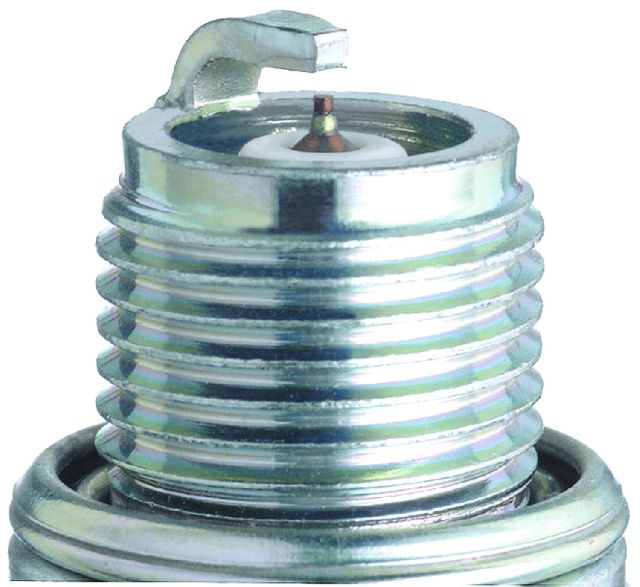
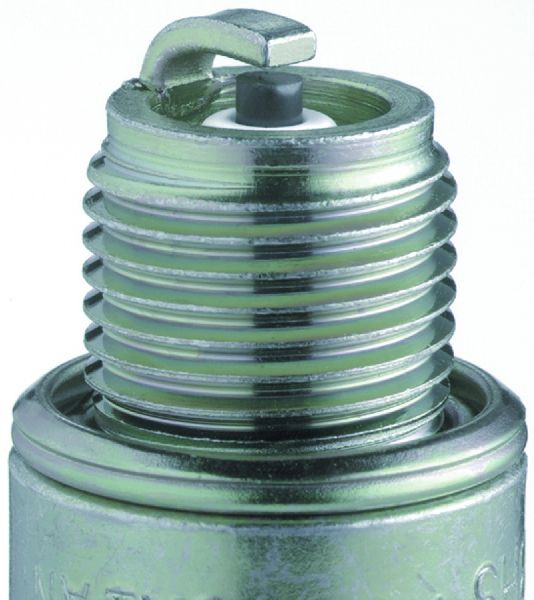
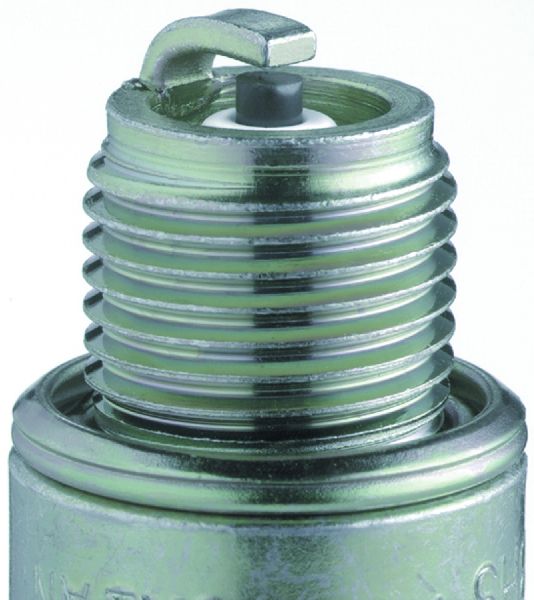
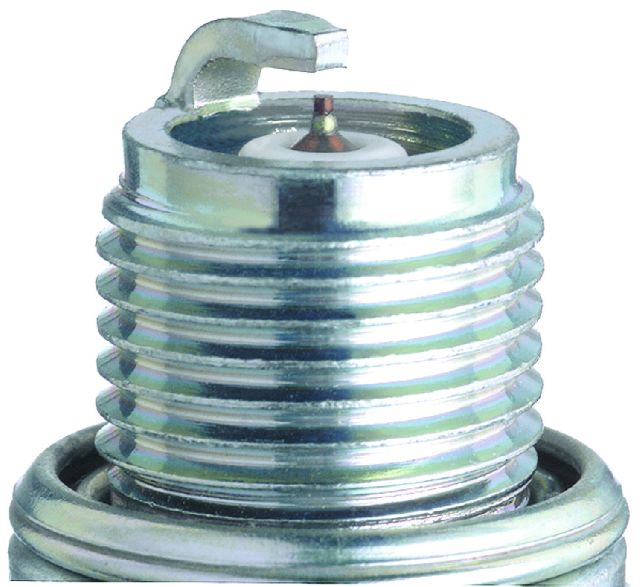
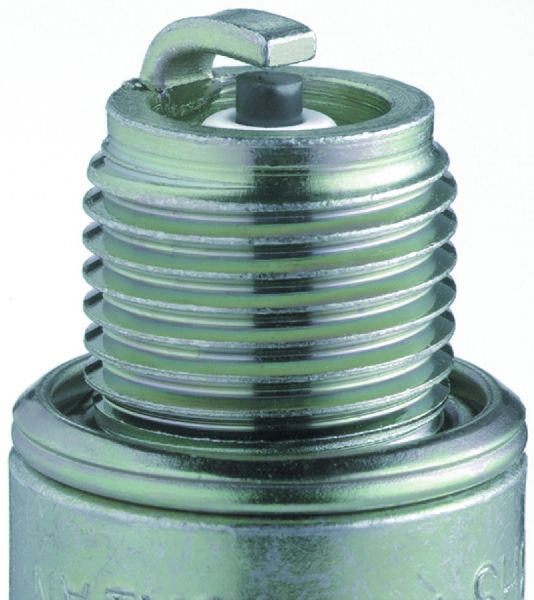
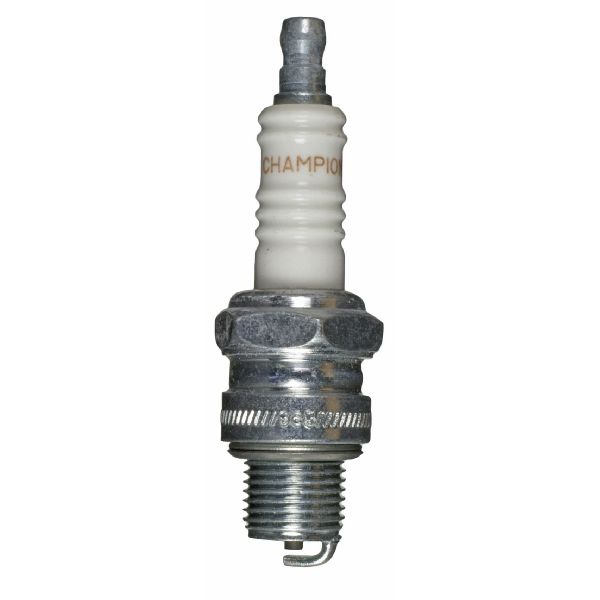
- The standard replacement plugs are NGK B8ES or Champion N3C.
- Always check and set the spark plug gap to 0.020 inches before installation.
- Avoid excessive idling to prevent spark plug fouling, a common issue with these two-stroke engines.
- Carry spare plugs and a wrench with you on rides for quick trailside repairs.
Signs of a Failing Spark Plug
On a vintage two-stroke like the Olympique 340E, spark plugs are a common wear item. Fouled or worn-out plugs can cause a range of issues. Being able to spot the signs early can save you from being stranded on the trail.
- Hard Starting: If you have to pull the starter rope many times to get the engine to fire, a weak spark from an old plug could be the cause.
- Engine Misfires or Stumbles: While riding, you might feel the engine hesitate or lose power for a moment. This often points to a plug that isn't firing consistently.
- Rough Idle: A fouled plug can make the engine run unevenly at idle. Two-stroke engines are known for fouling plugs if they idle for too long.
- Visible Damage: If you remove the plug, look for a blackened, oily, or wet insulator tip. Also check for a worn-down or damaged electrode.
A Note on Fouling
Two-stroke engines like the one in your Olympique are prone to spark plug fouling, especially from excessive idling or running at low speeds for long periods. This happens when unburnt oil and fuel build up on the plug's insulator, creating a path for the spark to ground itself without jumping the gap. It's a good practice to avoid letting the sled idle for more than a few minutes to warm up before riding.
Choosing the Right Aftermarket Spark Plug
For a vintage machine like the 1973-1979 Olympique 340E, you don't need to hunt down a rare or expensive OEM (Original Equipment Manufacturer) spark plug. High-quality aftermarket brands like NGK and Champion offer excellent performance and reliability that meets or exceeds original standards. Both are trusted choices in the snowmobiling community.
Brand Tiers
- Tier 1 (High-Quality Aftermarket): NGK and Champion are the go-to brands. The most common recommendations for your sled are the NGK B8ES and its direct equivalent, the Champion N3C. Both are standard nickel/copper plugs that provide reliable performance for this engine. There is no significant quality difference between them for this application; choose based on availability or personal preference.
- OEM vs. Aftermarket: For a simple, consumable part like a spark plug on this vintage sled, there is no practical advantage to finding a Ski-Doo branded OEM plug. Aftermarket plugs from NGK and Champion are readily available, affordable, and manufactured to high standards.
Always Carry Spares
Experienced vintage sled riders always carry at least one or two spare spark plugs and a plug wrench. Because two-strokes can foul plugs unexpectedly, having spares can turn a day-ending problem into a quick, 5-minute fix on the trail.
Typical Cost for a New Spark Plug (1973-1979 Ski-Doo Olympique 340E)
| Part Type | Price Range |
|---|---|
| New Aftermarket (NGK, Champion) | $3.48 - $14.32 |
Frequently Asked Questions (FAQ)
How often should I change the spark plugs?
For a vintage sled, it's best to install a fresh set of plugs at the beginning of each season. Given their low cost, this is cheap insurance against ignition problems. Always keep spares with you during rides.
What is the correct spark plug gap for the Olympique 340E?
The recommended spark plug gap is 0.020 inches. Always check the gap with a feeler gauge and adjust it if necessary before installing a new plug.
Can I clean and reuse a fouled spark plug?
While it's possible to clean a lightly fouled plug with a wire brush and some brake cleaner to get you home, it's generally not recommended as a long-term solution. Once a plug has been severely fouled, it's more likely to foul again. Given the low cost of new plugs, replacement is the best option.
Why does my sled keep fouling plugs even after I replaced them?
If you are chronically fouling plugs and have ruled out excessive idling, there could be an underlying mechanical issue. This might include a carburetor that is running too rich, a weak ignition system (points, condenser, or coil), or poor engine compression. It's best to diagnose the root cause rather than just continuing to replace plugs.
Technical Specifications
{ "Recommended Plugs": "NGK B8ES, Champion N3C", "Thread Size": "14mm", "Seat Type": "Gasket", "Hex Size": "21mm or 13/16 Inch", "Gap": "0.020 inches" }
We Have This Part in Stock

The information in this article is provided for general reference and educational purposes only. Vehicle specifications, procedures, and part compatibility can vary by production date, trim level, and region. Always consult your vehicle's factory service manual and verify part numbers before purchasing or performing repairs. Safety-critical components such as airbags, seat belts, and braking systems should be installed by a qualified professional.