

Choosing the Right New Alternator for Your 1973-1979 Ford Bronco
Keep your classic Bronco's electrical system reliable and strong with the correct new aftermarket alternator.
- The original 1G alternator and external voltage regulator on 1973-1979 Broncos are common failure points; many owners upgrade to a more reliable, internally regulated 3G alternator.
- Choose a standard output alternator for a stock Bronco, but upgrade to a high-output unit from a brand like Powermaster or Proform if you have added electrical accessories.
- Symptoms of a bad alternator include dimming lights, a weak battery, and whining noises from the engine.
- When diagnosing a charging problem, remember to also check the external voltage regulator and wiring, as they can also be the source of the issue.
Is Your Bronco's Alternator Failing?
An alternator rarely fails without warning. Recognizing the signs can save you from being stranded with a dead battery. Your 1973-1979 Bronco has a simpler electrical system than modern trucks, but the symptoms of a weak alternator are similar.
Common Symptoms of Alternator Failure
- Dimming Headlights: You might notice your headlights get dimmer at idle and brighten up when you rev the engine.
- Warning Light: A battery or "ALT" light on your dashboard is a direct signal of a charging system problem.
- Slow Cranking or Dead Battery: The alternator's main job is to recharge the battery. If it's failing, your battery will eventually lose its charge, making it hard to start the engine.
- Whining or Grinding Noises: Unusual sounds from the engine bay can point to worn-out bearings inside the alternator.
- Electrical Gremlins: Issues like a slow-responding heater fan or a weak radio signal can be caused by insufficient voltage from a failing alternator.
Choosing the Right Aftermarket Alternator
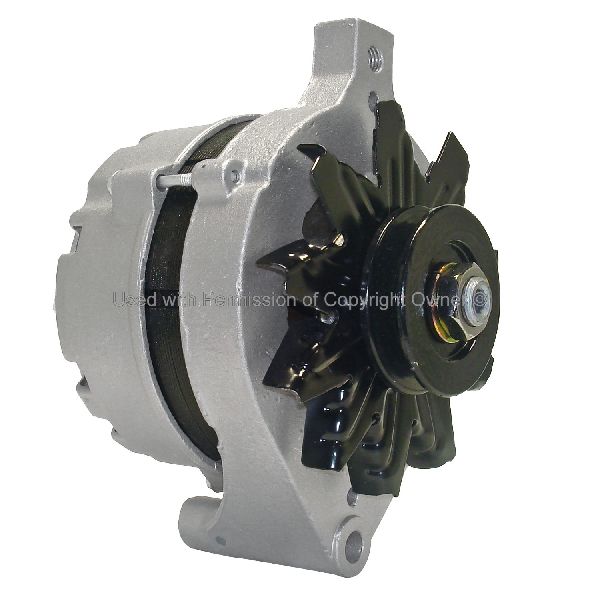
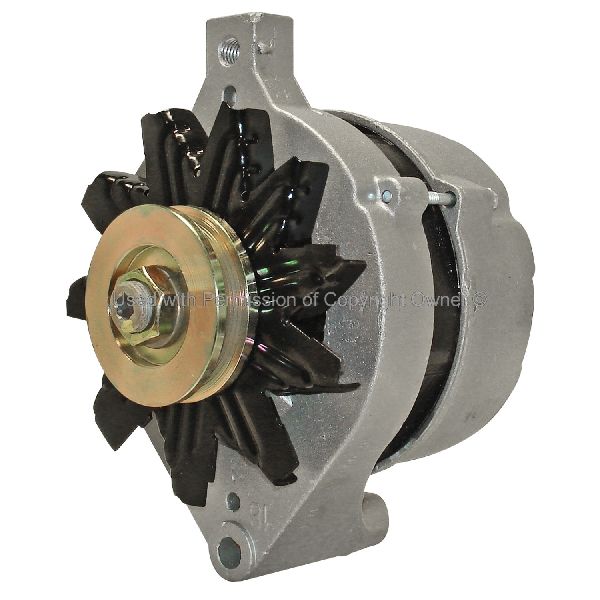
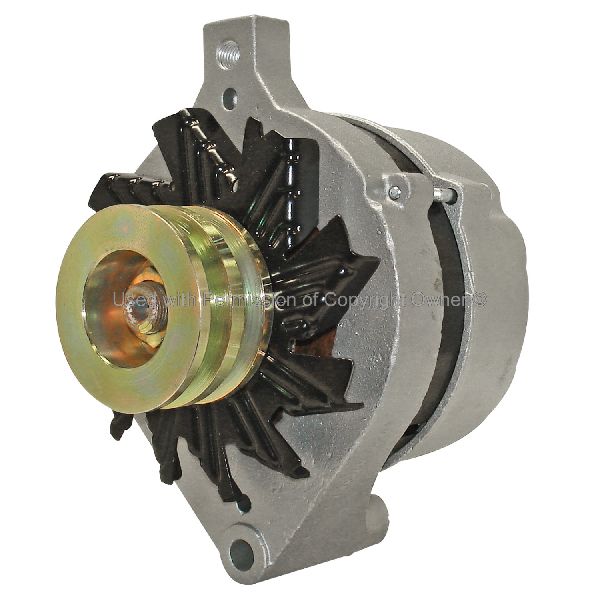
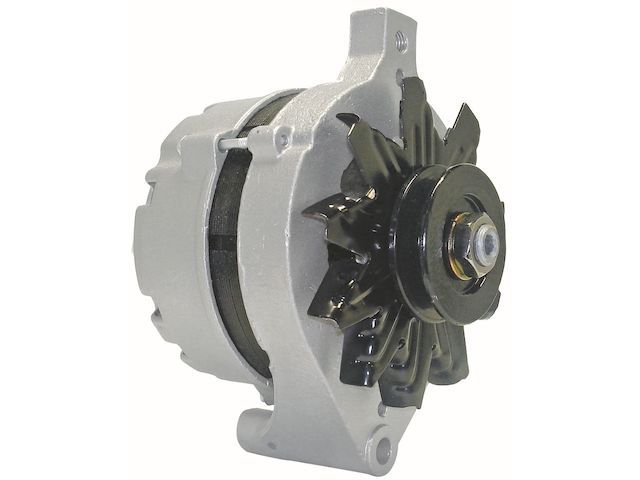
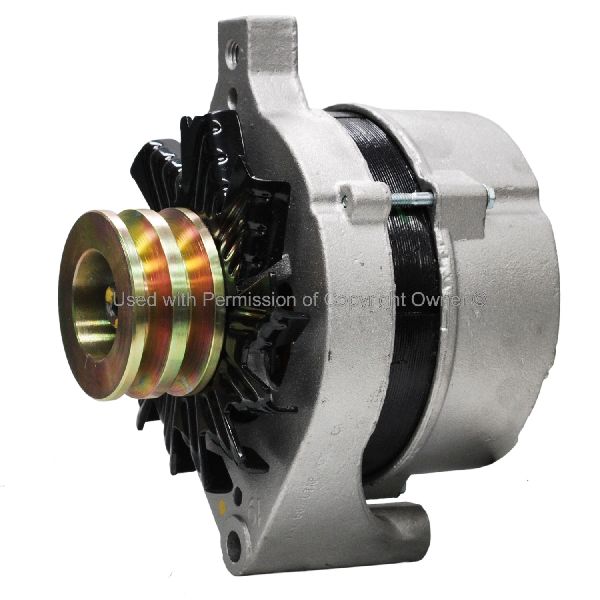
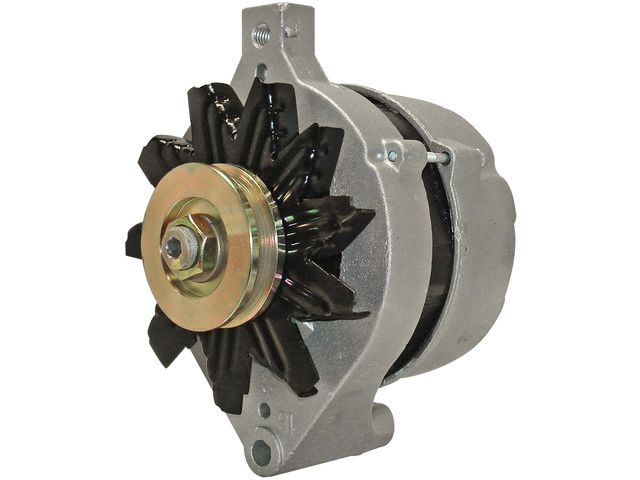
The original alternators on these Broncos, known as Ford 1G alternators, had a relatively low output (around 40-70 amps). This was enough for the factory equipment, but adding accessories like off-road lights, a winch, or a powerful stereo can easily overwhelm the stock system. When choosing a new aftermarket part, your first decision is whether to stick with a standard output or upgrade to a high-output unit.
Brand Quality Tiers
Not all aftermarket brands are created equal. They generally fall into a few categories based on performance and price.
- Performance / High-Output Brands (Powermaster, Proform): These brands specialize in alternators that produce more amperage than stock, especially at idle. A high-output alternator from Powermaster or Proform is a smart upgrade if you run multiple modern accessories. They often feature improved internal components for durability, but some users report reliability issues, so they are best for owners who need the extra power.
- Standard Replacement Brands (ACDelco, Remy): These brands are well-known for producing reliable, OE-quality replacement parts. An alternator from ACDelco or Remy is a solid choice for a stock or lightly modified Bronco, offering a good balance of quality and cost. Historically, Delco and Remy were part of the same GM division, and today they continue to offer dependable parts for a wide range of vehicles.
- Value-Oriented Brands (BBB Industries, MPA): These brands often provide a cost-effective solution. While heavily known for remanufactured parts, they also supply new units that meet original specifications. These are a good option for owners on a budget who need to get their Bronco back on the road with a functional charging system.
Pro Tip: The "3G" Alternator Upgrade
A very popular and highly recommended modification for 1973-1979 Broncos is the "3G alternator swap." This involves using a newer style, higher-output (95-130 amp) Ford alternator from a mid-90s vehicle. These 3G units have an internal voltage regulator, which simplifies wiring and improves reliability by eliminating the original external regulator. While not a direct bolt-in replacement, kits and online guides make this a manageable project for many owners. This is often a more reliable and powerful solution than a direct-fit aftermarket part.
🎬 See how to perform the popular 3G alternator upgrade.Cost of a New Aftermarket Alternator
The price for a new alternator for your Bronco can vary significantly based on the brand and output.
| Part Type | Estimated Cost |
|---|---|
| New Aftermarket (Standard Output) | $45 - $120 |
| New Aftermarket (High Output) | $130 - $315+ |
| Shop Labor for Installation | $100 - $200 |
Frequently Asked Questions (FAQ)
Do I need a high-output alternator?
If your Bronco is mostly stock, a standard output alternator is sufficient. However, if you have added or plan to add high-draw accessories like a winch, powerful off-road lights, a large stereo amplifier, or electric cooling fans, a high-output alternator is strongly recommended to keep your battery charged and your electrical system stable.
What is an external voltage regulator and why does it matter?
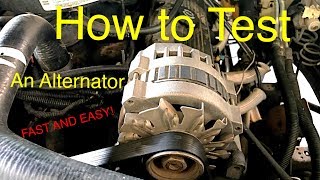
Your 1973-1979 Bronco came from the factory with an external voltage regulator, which is a separate box mounted in the engine bay that controls the alternator's output. This part can fail independently of the alternator, causing similar charging problems. When diagnosing an issue, it's important to test both the alternator and the regulator. 🎬 Watch this quick guide on how to test your alternator. Many owners choose to upgrade to an internally regulated alternator (like the 3G) to eliminate this separate failure point.
What is a "1-wire" alternator?
A "1-wire" alternator is a type of internally regulated alternator that simplifies wiring. It only requires a single heavy-gauge wire connected from its output post directly to the battery (or starter solenoid). This makes for a clean installation, but some models require you to rev the engine to "excite" the alternator and start the charging process.
Can I replace the alternator myself?
Yes, for someone with basic mechanical skills, replacing the alternator on a 1973-1979 Bronco is a straightforward job. It is typically mounted in an accessible location on the front of the engine. The process involves disconnecting the battery, loosening the belt tensioner, removing a few bolts and electrical connectors, and then swapping the part.
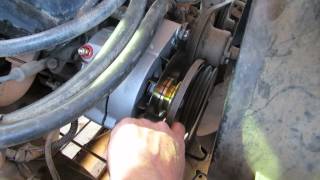
🎬 Follow this step-by-step walkthrough to install your new alternator.Are there any recalls or bulletins for my Bronco's alternator?
There are no active recalls or specific Technical Service Bulletins (TSBs) from Ford for alternator failures on the 1973-1979 Ford Bronco. Any charging system issues on a vehicle of this age are typically due to the normal wear and tear of components like the alternator, wiring, or external voltage regulator.
Helpful Videos
Technical Specifications
The 1973-1979 Ford Bronco originally used a Ford 1G series alternator with an external voltage regulator. Stock amperage output was typically between 40 and 70 amps. It uses a V-belt pulley system. Upgrades to Ford 3G series alternators (95-130 amps, internally regulated) are common.
We Have This Part in Stock

The information in this article is provided for general reference and educational purposes only. Vehicle specifications, procedures, and part compatibility can vary by production date, trim level, and region. Always consult your vehicle's factory service manual and verify part numbers before purchasing or performing repairs. Safety-critical components such as airbags, seat belts, and braking systems should be installed by a qualified professional.