

A Guide to Replacing the Alternator on Your 1973-1975 Buick Apollo
Keep your classic Apollo's electrical system reliable by understanding when and how to replace your alternator.
- The most common alternator used was the Delco 10SI, making replacements widely available and affordable.
- Symptoms of failure often include dimming lights, a dashboard warning light, and a whining noise from the engine.
- For a stock vehicle, a standard 63-amp replacement is sufficient; consider a higher-output unit only if you've added modern electronics.
- Replacing the alternator is a DIY-friendly task for most owners with basic tools.
Is Your Apollo's Alternator Failing?
For a car from the mid-1970s like the Buick Apollo, the electrical system is relatively simple, but a bad alternator can still cause noticeable problems. The original Delco Remy 10SI alternators used on these cars were common across most GM vehicles by 1973. While generally reliable, age and use will eventually cause them to fail. Watch for these classic signs.
- Dim or Flickering Lights: The most common symptom is headlights that dim at idle and brighten as you rev the engine. This indicates the alternator isn't producing enough power at low speeds.
- "GEN" or Battery Warning Light: Your dashboard has a warning light, often shaped like a battery or labeled "GEN" (for generator), that will illuminate if the alternator's output voltage is too low.
- Whining or Grinding Noises: A high-pitched whining or a grinding sound from under the hood can point to failing bearings inside the alternator.
- Weak or Dead Battery: If your alternator isn't recharging the battery, you'll find yourself with a car that won't start, even with a new battery. A battery that repeatedly dies is a strong clue that the charging system is at fault.
- Slow Electrical Accessories: You might notice your power windows (if equipped) are slow, or the radio's performance is poor.
Choosing the Right Aftermarket Alternator
Since your 1973-1975 Buick Apollo is a classic, you won't find a "new OEM" alternator from GM. All available options are from the aftermarket. The good news is that the Delco 10SI style alternator is one of the most common and affordable units ever made. Here’s a breakdown of the brands you'll encounter.
Aftermarket Brand Tiers
| Tier | Brands | Description |
|---|---|---|
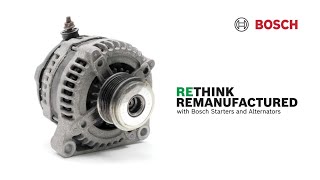
| Premium Aftermarket | Bosch, Remy | These brands have a long history and are often considered higher-quality replacements. Bosch, in particular, is known for rigorous testing of its remanufactured units. 🎬 Learn more about the Bosch remanufacturing process. Remy has deep roots as the original Delco Remy, though owner experiences can be mixed. |
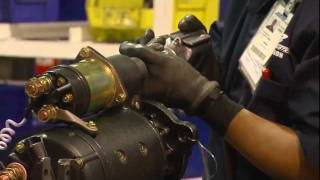
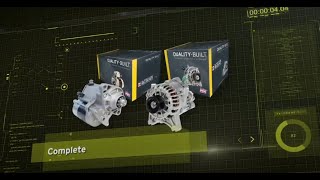
| Standard Aftermarket | BBB Industries, MPA, WAI Global | These are reputable, high-volume manufacturers that supply many auto parts stores. 🎬 See how BBB Industries manufactures their alternators. WAI Global and BBB are known to produce reliable new and remanufactured units, and many come with individual test sheets. MPA, which owns the Quality-Built brand, also emphasizes end-of-line testing. 🎬 Watch how Quality-Built tests their aftermarket alternators. They offer a good balance of quality and price. |
| Performance / Specialty | Proform | Proform specializes in high-output and custom-finish alternators, like those in chrome. These are a good choice if you've added high-draw accessories like a powerful stereo or electric fans and need more amperage than the stock unit provided. |
Pro Tip: Consider a Higher Amperage Unit
The original alternators on these cars had outputs from 37 to 63 amps. Modern electronics and even brighter headlights can tax these original specs. Upgrading to a slightly higher output 10SI or even a 12SI model (up to 94 amps) is a common and easy modification. It's a direct fit but may require a slightly larger charge wire to the battery to handle the extra power safely.
Known Issues, Recalls, and Service Bulletins
Due to the age of the 1973-1975 Buick Apollo, there are no active recalls or Technical Service Bulletins (TSBs) related to the alternator. Searches of the National Highway Traffic Safety Administration (NHTSA) database show recalls for this vehicle, but none involve the charging system. Any issues you encounter will almost certainly be due to the age and wear of the original components.
Frequently Asked Questions (FAQ)
Can I replace the alternator myself?
Yes, for most owners with basic hand tools. The alternator on these GM vehicles is typically mounted on the top front of the engine and is easily accessible. The process involves disconnecting the battery, loosening the belt, removing a few bolts and electrical connections, and then reversing the process for installation. It is considered a relatively simple DIY job.
What's the difference between a new and remanufactured alternator?
A new alternator is made entirely of new components. A remanufactured alternator uses the original housing but is rebuilt with new internal wear items like bearings, brushes, and the voltage regulator. For a classic car, a quality remanufactured unit from a brand like Bosch or a new unit from WAI or BBB are both excellent choices.
Do I need a special high-output alternator?
Only if you have added significant electrical loads. If your car is mostly stock, a standard replacement with 63-70 amps is perfectly adequate. If you have added a large audio system, electric cooling fans, or other modern accessories, a high-output alternator (100+ amps) from a brand like Proform is a wise investment to prevent electrical issues.
How do I know if it's the alternator or the battery?
A simple test can help. With the engine running, a healthy alternator should produce about 13.8 to 14.5 volts. You can measure this at the battery terminals with a multimeter. If the voltage is low (in the 12-volt range) or not increasing when the engine is running, the alternator is likely the problem. If the alternator tests fine, but the car won't hold a charge overnight, the battery is the more likely culprit.
Helpful Videos

Technical Specifications
OEM Part Numbers: 1102921 1103174 1105070
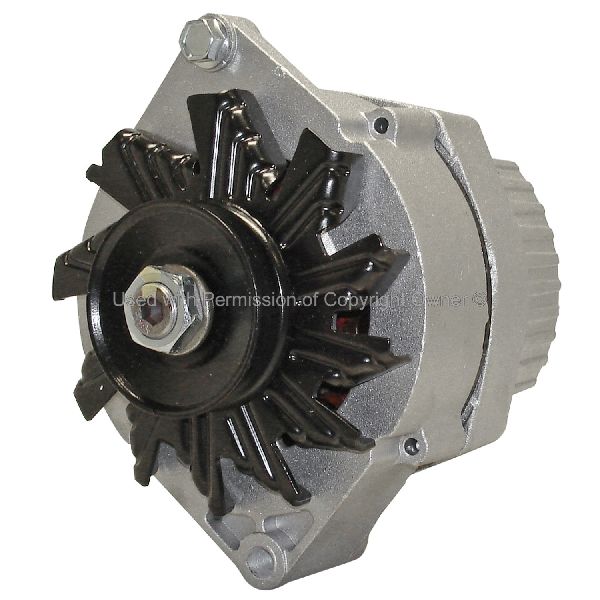
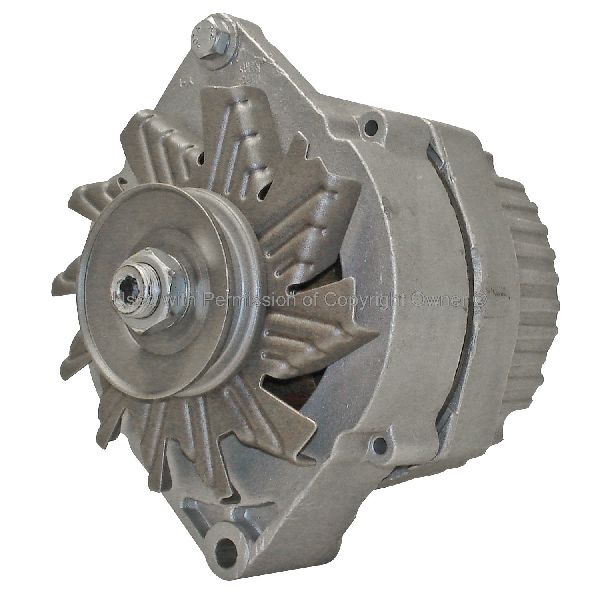
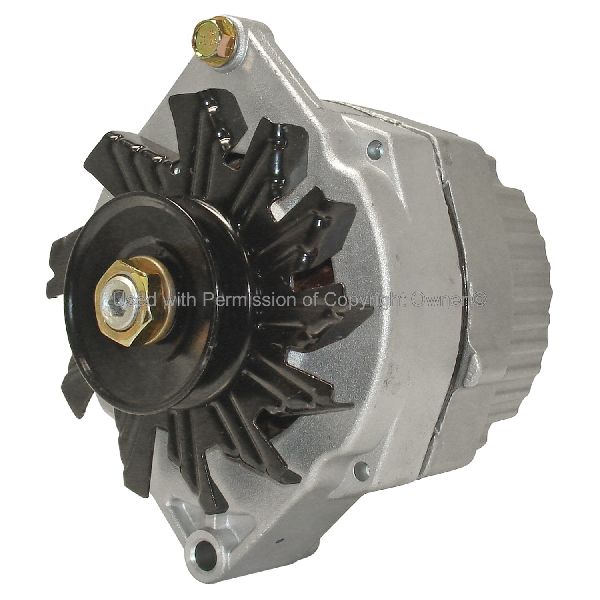
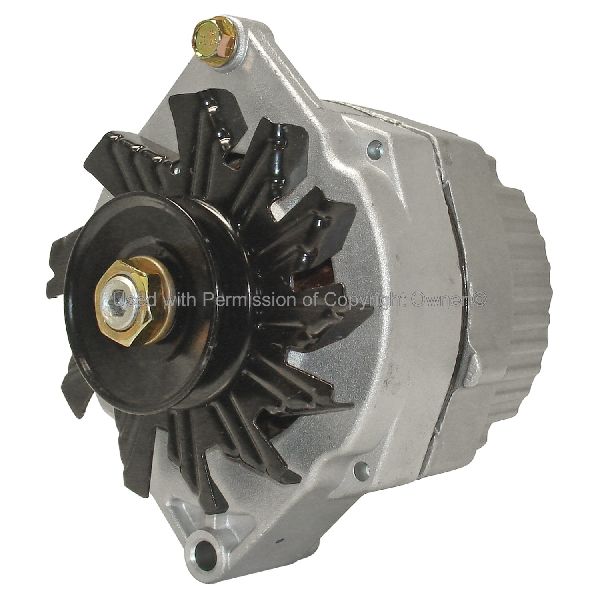
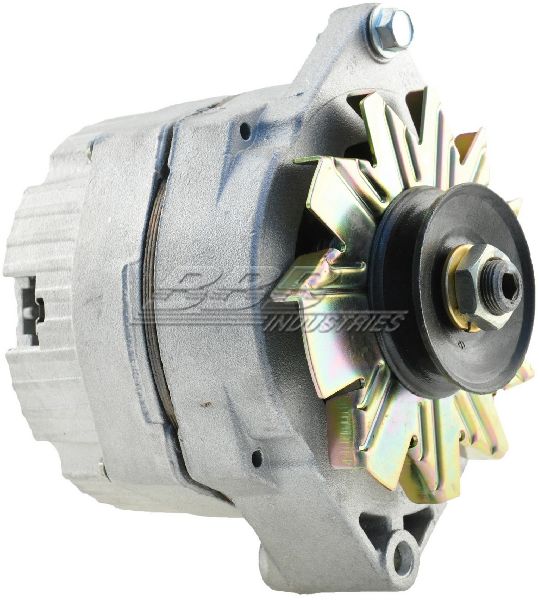
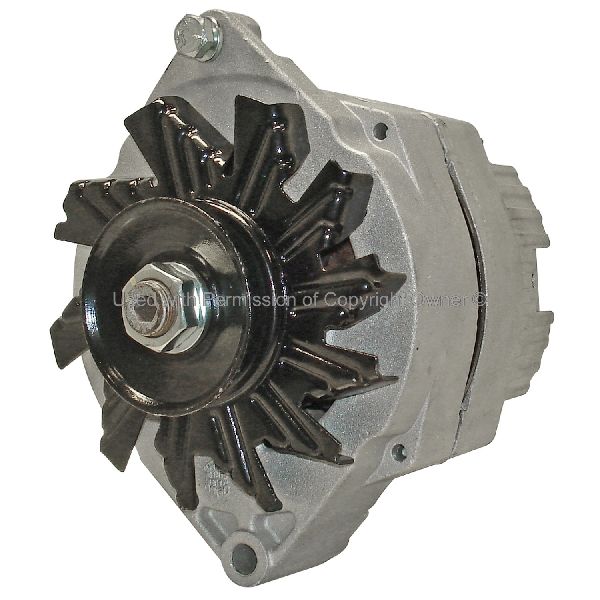
The original alternator was typically a Delco Remy 10SI model with an internal voltage regulator. Standard output ranged from 37 amps to 63 amps, depending on the vehicle's options like air conditioning. It uses a single V-belt pulley and has a simple two-wire plug and a main battery stud.
We Have This Part in Stock

The information in this article is provided for general reference and educational purposes only. Vehicle specifications, procedures, and part compatibility can vary by production date, trim level, and region. Always consult your vehicle's factory service manual and verify part numbers before purchasing or performing repairs. Safety-critical components such as airbags, seat belts, and braking systems should be installed by a qualified professional.