

Choosing the Right Spark Plugs for Your 1973-1974 Yamaha GP433
Keep your vintage GP433 running strong with the correct spark plugs and avoid common fouling issues.
- The recommended and most reliable spark plug is the NGK B9ES.
- Fouling is the most common problem; avoid long idle times and ensure your carburetor is tuned correctly.
- Standard copper plugs from NGK, Denso, or Champion are best; expensive Iridium plugs are not necessary.
- Always check the spark plug gap before installation and carry spares when you ride.
Signs of a Failing Spark Plug
Because the GP433 uses a two-stroke engine, it is more sensitive to spark plug condition than a modern four-stroke engine. A bad plug will cause obvious problems. The most common issue is 'fouling,' where unburnt oil and carbon build up on the plug's tip, weakening or killing the spark. Symptoms of a fouled or failing spark plug include:
- Hard Starting: The engine is difficult to start, especially when cold, and may require many pulls.
- Rough Idle: The engine idles unevenly, sputters, or stalls completely.
- Poor Performance: You may notice hesitant acceleration, misfiring, or a general loss of power.
- Visible Deposits: A visual inspection of the plug will show black, sooty, or oily residue covering the electrode.
What Causes Fouling on a GP433?
Spark plug fouling on a two-stroke is often a tuning issue, not just a bad part. Common causes include an overly rich fuel mixture from the carburetor, incorrect fuel-to-oil ratio, a dirty air filter, or too much time spent idling without riding at higher RPMs to burn the deposits off.
Choosing the Right Aftermarket Spark Plug
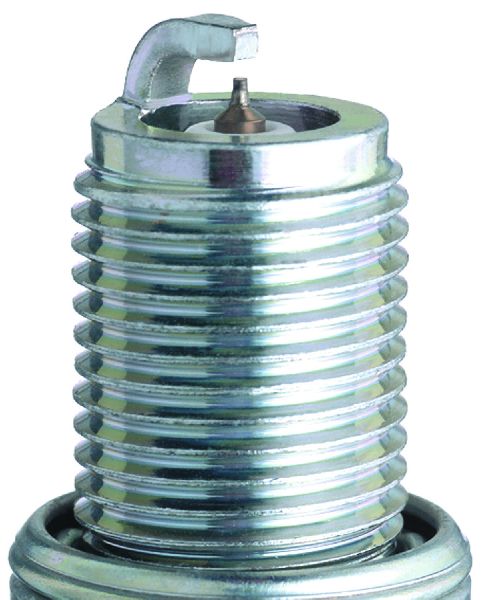
For a vintage snowmobile like the GP433, sticking with the original plug specification is the most reliable choice. The original equipment manufacturer (OEM) was NGK, and this same plug is widely available as an aftermarket part. While premium options like Iridium plugs exist, they offer little to no benefit for a stock engine and are not worth the extra cost. A standard copper plug from a reputable brand is the best option.
Brand Recommendations
| Brand | Recommended Model | Assessment |
|---|---|---|
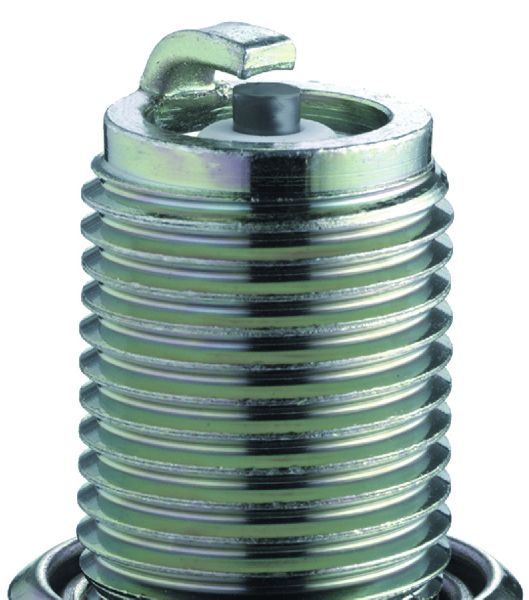
| NGK | B9ES | This is the OEM-spec plug and the most highly recommended choice for the GP433. It provides the correct 'cold' heat range for this high-performance two-stroke engine and offers the best reliability. The Yamaha part number 94701-00046 is a direct cross-reference to the NGK B9ES. |
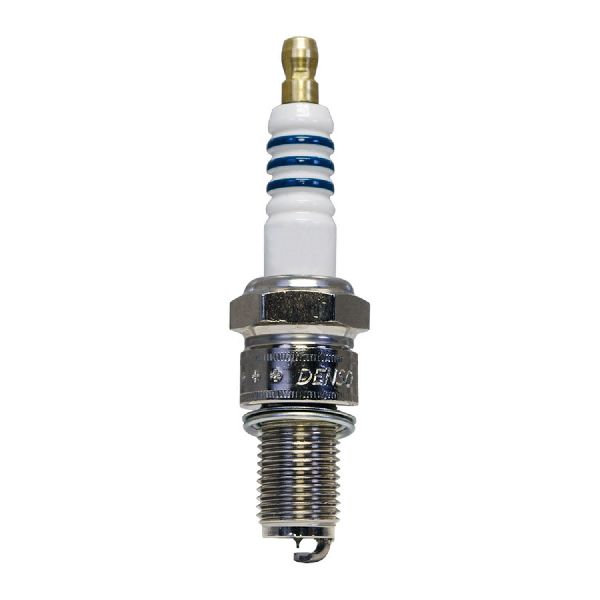
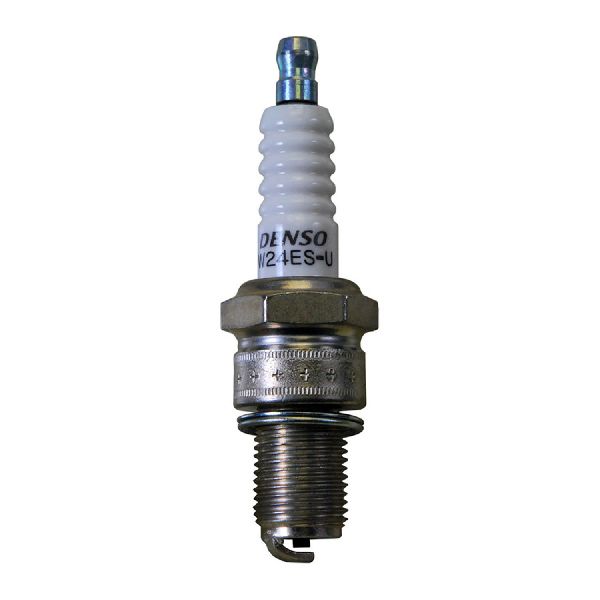
| Denso | W27ES-U | A high-quality Japanese alternative to NGK. The U-Groove design is marketed to improve combustion efficiency and is a solid, reliable option if the NGK is unavailable. |
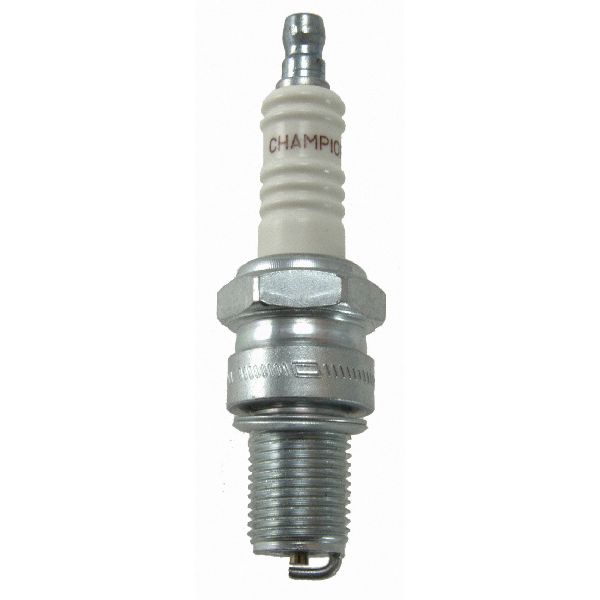
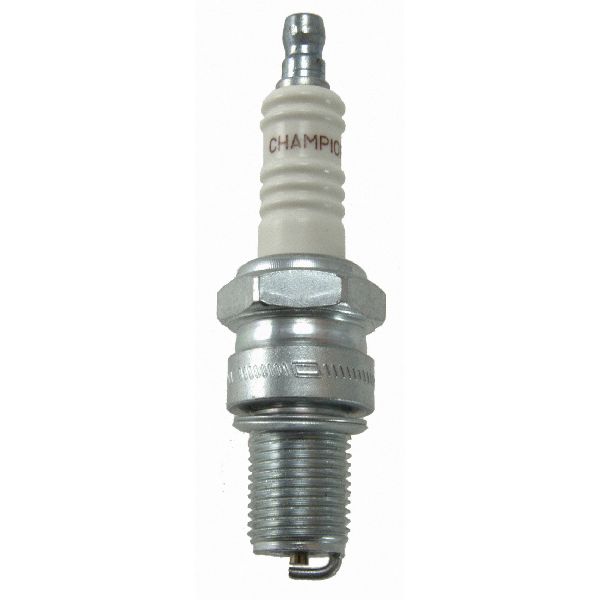
| Champion | N2C | A dependable and often more budget-friendly option. It is a standard copper plug that directly cross-references to the NGK B9ES and will perform well in the GP433. |
Pro Tip: Always carry a spare set of gapped spark plugs and a plug wrench when you ride. A fouled plug can happen unexpectedly, and being able to swap them on the trail can save you from a long walk home.
Frequently Asked Questions (FAQ)
What is the correct spark plug gap for the GP433?
The standard gap for these plugs is typically between 0.025" and 0.028" (0.65mm - 0.7mm). However, you should always verify the specific recommendation for the brand you purchase and check the gap with a feeler gauge before installation.
How often should I change the spark plugs on my GP433?
For a vintage two-stroke, it's good practice to inspect the plugs regularly and install a fresh set at the beginning of each riding season. Given their low cost, replacing them is cheap insurance against being stranded by a fouled plug.
Why does my GP433 foul plugs when it's idling?
Two-stroke engines don't burn fuel and oil as cleanly at low RPMs. Prolonged idling allows oil and carbon to build up on the cooler plug insulator, which can eventually create a path for the spark to ground out instead of jumping the gap. To prevent this, avoid letting the sled idle for long periods.
Is there a recall or TSB for the spark plugs on a 1973-1974 GP433?
No. There are no recalls or Technical Service Bulletins (TSBs) from Yamaha or the NHTSA related to spark plugs for this vintage snowmobile. Any issues are typically related to normal wear, maintenance, or engine tuning.
Technical Specifications
OEM Part Numbers: 94701-00046 94702-00046 94703-00046
Recommended Plug: NGK B9ES (or cross-reference Champion N2C, Denso W27ES-U) Type: Standard Copper/Nickel Heat Range: 9 (NGK), 27 (Denso) Thread Size: 14mm Thread Reach: 19mm (3/4") Hex Size: 21mm (13/16") Gap: ~0.028" (0.7mm)
We Have This Part in Stock

The information in this article is provided for general reference and educational purposes only. Vehicle specifications, procedures, and part compatibility can vary by production date, trim level, and region. Always consult your vehicle's factory service manual and verify part numbers before purchasing or performing repairs. Safety-critical components such as airbags, seat belts, and braking systems should be installed by a qualified professional.