

Choosing the Right Spark Plug for Your 1973 Yamaha EL433 Snowmobile
Keep your vintage EL433 running strong with the correct spark plugs and avoid common fouling issues.
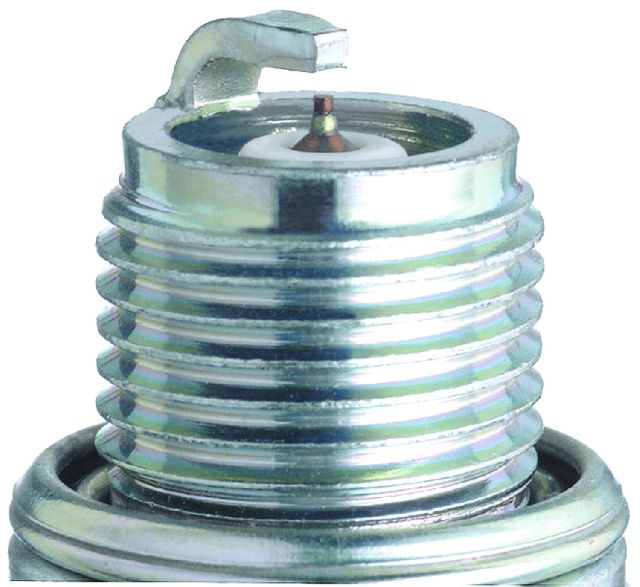
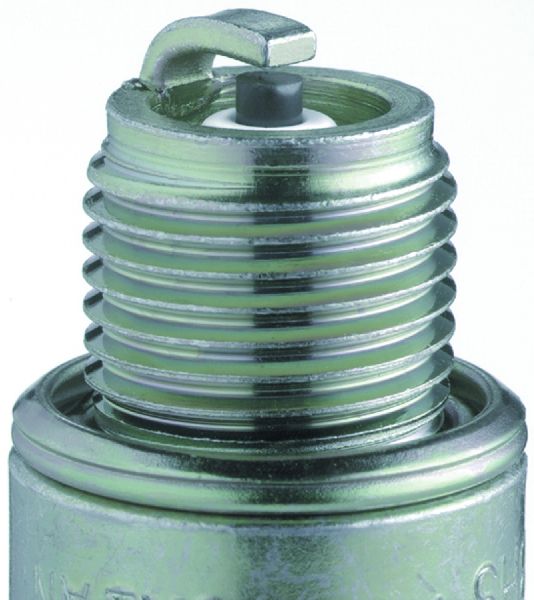
- Stick with NGK brand spark plugs, as they were the original equipment and offer the best reliability for this two-stroke engine.
- The standard plug is a B8ES, but use a hotter B7ES if you experience fouling from slow riding, or a colder B9ES for sustained high-speed use.
- Always check and set the spark plug gap to approximately 0.024"-0.028" (0.6mm-0.7mm) before installation.
- Spark plug fouling is the most common problem; its cause (rich fuel mix, wrong oil ratio) should be addressed rather than just replacing the plug.
Symptoms of a Failing Spark Plug
A worn or fouled spark plug can cause several noticeable problems in your EL433. If you experience any of these issues, checking the spark plugs is an easy and inexpensive first step in troubleshooting.
- Hard Starting: Difficulty starting the engine, especially when cold, is a classic sign of a weak or fouled spark plug.
- Engine Misfires: The engine may sputter, hesitate, or run unevenly, particularly under load.
- Loss of Power: A poorly firing plug can't burn the fuel mixture efficiently, leading to a noticeable drop in performance.
- Increased Fuel Consumption: Inefficient combustion means you'll be burning more fuel for less power.
- Visible Fouling: When you remove the plug, it may be covered in black, sooty carbon or oily deposits. This indicates a problem with the fuel mixture, oil ratio, or spark plug heat range.
Choosing the Right Aftermarket Spark Plug
For a vintage two-stroke like the Yamaha EL433, the brand and type of spark plug you choose can make a significant difference. The original equipment plug was an NGK, and it remains the top recommendation among experienced riders.
Brand Tiers for the Yamaha EL433
| Brand | Assessment | Notes |
|---|---|---|
| NGK | Best / OEM Standard | NGK is widely considered the best choice for two-stroke engines. They offer superior reliability, resist fouling better than competitors, and provide a consistent spark, which is crucial for the high-RPM nature of the EL433. Most owners and mechanics strongly recommend sticking with the OEM-specified NGK plug. |
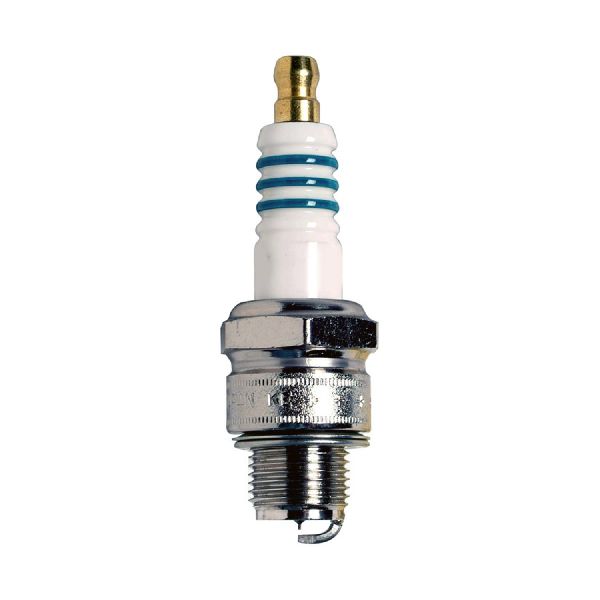
| Denso | Good Alternative | Denso is a reputable Japanese brand that produces high-quality spark plugs. Their U-Groove design is engineered to improve ignitability and reduce fouling. While not as commonly cited for this specific vintage sled as NGK, they are a solid second choice if the correct cross-referenced plug is available. |
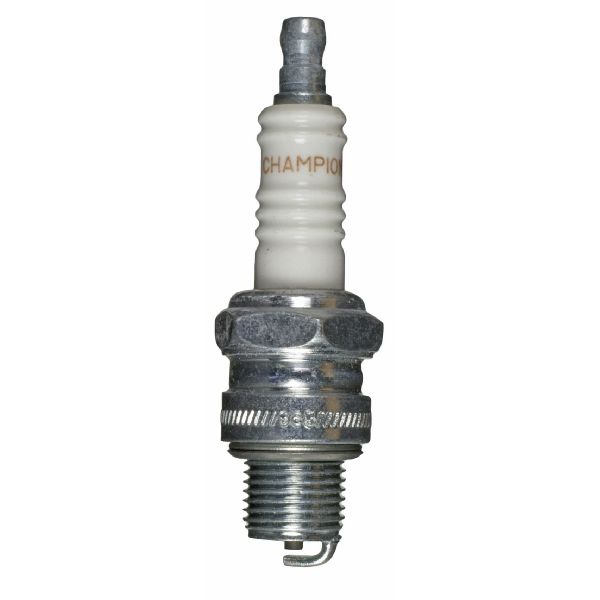
| Champion | Budget / Use with Caution | Champion plugs are a budget-friendly option but have a mixed reputation in two-stroke applications. Some users report they foul more easily and have a shorter lifespan. There are also anecdotal reports of insulator failure, which can cause severe engine damage. They can work in a pinch, but NGK is worth the small extra cost for reliability. |
Understanding Spark Plug Heat Range
For NGK plugs, a lower number (like B7ES) is a "hotter" plug, while a higher number (like B9ES) is a "colder" plug. A hotter plug burns off carbon deposits more effectively at low speeds, preventing fouling. A colder plug dissipates heat better during sustained high-speed riding, preventing engine damage from overheating. The stock B8ES is a good middle ground, but if you experience frequent fouling from slow riding, a B7ES may help. If you primarily ride at high speeds, a B9ES might be a safer choice.
Known Issues for the 1973 Yamaha EL433 Spark Plug
No recalls or Technical Service Bulletins (TSBs) exist for the spark plugs on this vintage snowmobile. The primary known issue is spark plug fouling. This happens when the plug's firing end becomes coated with carbon, oil, or fuel deposits, preventing a strong spark. This is very common in older two-stroke engines and is usually caused by:
- An overly rich fuel mixture from the carburetor.
- Incorrect fuel-to-oil ratio.
- Excessive engine idling.
- Using a spark plug with the wrong heat range for your riding style.
Pro Tip: Reading Your Plugs
The color of your old spark plug tells a story about your engine's health. A light, tan or grayish-brown color on the insulator indicates a healthy engine and correct plug heat range. A black, sooty plug means the mixture is too rich or the plug is too cold. An oily, wet plug can indicate a problem with engine seals or an incorrect oil mixture.
Frequently Asked Questions (FAQ)
What is the correct spark plug gap for the 1973 Yamaha EL433?
The recommended spark plug gap for most vintage engines with a standard coil ignition is between 0.024" and 0.028" (0.6mm to 0.7mm). Always use a feeler gauge to check and adjust the gap on a new spark plug before installation, as they are not always pre-gapped correctly for your specific machine.
Should I use a resistor plug (like BR8ES) or a non-resistor plug (B8ES)?
Resistor plugs (indicated by the 'R' in the part number) are designed to reduce radio frequency interference (RFI) that can affect electronic components. For a 1973 model without sensitive electronics, a non-resistor plug (B8ES) is perfectly acceptable. However, using a resistor plug (BR8ES) will not harm performance and is often more readily available.
Can I use a modern Iridium spark plug in my EL433?
Yes, you can find Iridium versions of the correct spark plug, such as the NGK B8EIX. Iridium plugs have a finer electrode, which can provide a more consistent spark and longer life. While they are more expensive, they can be a good upgrade for improved starting and performance, but they won't fix underlying issues like an incorrect fuel mixture.
How often should I change the spark plugs?
For a vintage two-stroke, it's good practice to inspect your spark plugs frequently and replace them at the beginning of each riding season or every 25-50 hours of use. Given their low cost, carrying a spare set of properly gapped plugs and a plug wrench with you is highly recommended.
Technical Specifications
OEM Part Numbers: B8ES (NGK) BR8ES (NGK)
Thread Size: 14mm, Thread Reach: 19mm (3/4"), Hex Size: 21mm (13/16"), Recommended Gap: 0.6mm - 0.7mm (0.024" - 0.028")
We Have This Part in Stock

The information in this article is provided for general reference and educational purposes only. Vehicle specifications, procedures, and part compatibility can vary by production date, trim level, and region. Always consult your vehicle's factory service manual and verify part numbers before purchasing or performing repairs. Safety-critical components such as airbags, seat belts, and braking systems should be installed by a qualified professional.