

Subaru GL Windshield Washer Pump Replacement Guide (1972-1984)
Everything you need to know about replacing the windshield washer pump on your vintage Subaru GL.
- The most common sign of failure is hearing no sound from the pump when you activate the switch.
- For a 1972-1984 Subaru GL, a new aftermarket pump is the best and most practical solution, as new OEM parts are unavailable.
- Replacement is a simple DIY task that usually takes less than an hour.
- Wagon models may have a separate pump and reservoir for the rear washer located in the cargo area.
Is Your Subaru GL Washer Pump Failing?
When a windshield washer pump fails, the signs are usually straightforward. Understanding the symptoms can help you confirm the problem before you buy a new part. The most common cause of failure on a vehicle of this age is simply the electric motor inside the pump wearing out after decades of use.
Common Failure Symptoms:
- No Sound, No Fluid: You press the washer button and hear nothing. If the wipers move but no pump motor sound is heard, the pump is likely dead or not receiving power. This is the most common symptom.
- Pump Hums, But No Fluid Sprays: If you can hear the pump motor running but no fluid comes out, the problem could be a clog in the lines or nozzles, a disconnected hose, or an internal failure in the pump itself. Also, check if the reservoir is empty or if the fluid is frozen in winter.
- Weak or Uneven Spray: A dying pump may lose pressure, resulting in a weak stream that doesn't effectively clean the windshield. This can also be caused by clogged nozzles.
Pro Tip: Check the Fuse First
Before replacing the pump, it's always a good idea to check the fuse for the washer system. It's a simple check that could save you time and money. If the fuse is blown, replacing it may solve the problem. However, a blown fuse can also indicate an electrical short in the pump itself, which will cause the new fuse to blow as well.
Choosing the Right Aftermarket Pump
For a vehicle like the 1972-1984 Subaru GL, finding a new original equipment (OEM) washer pump from Subaru is highly unlikely. These parts have been out of production for many years. Your realistic options are a new aftermarket part or a used OEM part from a salvage yard.
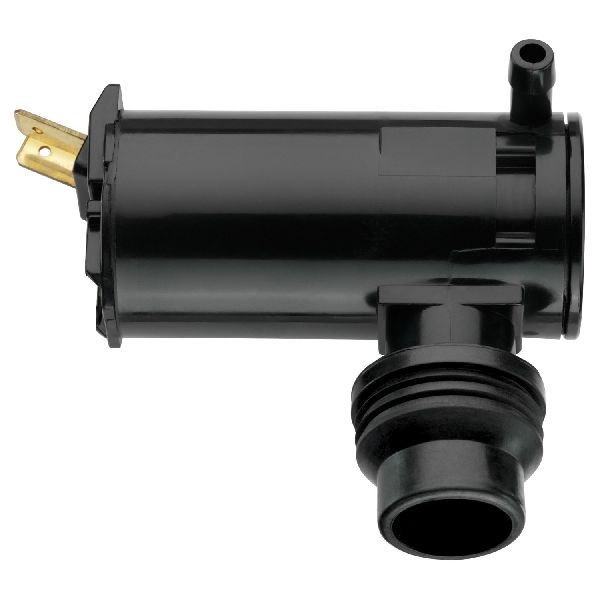
New aftermarket parts are the most reliable choice. They are readily available from brands like Trico and are designed to be easy-to-install replacements. These pumps are made from durable plastic and are engineered to match the fit and function of the original part. Given the simplicity of the component, a quality aftermarket pump offers excellent value and reliability.
Cost of a New Windshield Washer Pump (1972-1984 Subaru GL)
| Part Type | Estimated Cost | Notes |
|---|---|---|
| New Aftermarket (Trico, etc.) | $24 - $35 | The most common and recommended option. |
| New OEM | N/A | No longer available for this model year. |
| Used OEM | $10 - $25 | Availability depends on salvage yards. No warranty and unknown lifespan. |
Installation Overview
Replacing the washer pump on an early Subaru GL is a straightforward job that most DIYers can complete in under an hour with basic hand tools.
- Locate the Pump: The front washer pump is almost always located at the bottom of the washer fluid reservoir in the engine bay. It's a small, cylindrical part with an electrical connector and one or two hose ports.
- Access the Pump: On some models, you can reach the pump easily. On others, you may need to unbolt and lift the reservoir to get better access. Have a bucket ready to catch any remaining fluid.
- Remove the Old Pump: Disconnect the electrical plug and the fluid hoses. The pump itself is usually just pressed into a rubber grommet on the reservoir. Gently pry or pull it out.
- Install the New Pump: Press the new pump firmly into the rubber grommet. Reconnect the electrical plug and hoses.
- Test the System: Refill the reservoir with washer fluid and test the pump before putting everything back together.
Note for Wagons/Hatchbacks
On Subarus from this era with a rear window washer, the pump and reservoir for the rear may be a completely separate unit located in the cargo area, often on the left side. The replacement process is similar, but you must identify which pump has failed.
Frequently Asked Questions
Can I drive my Subaru GL with a broken washer pump?
Yes, you can technically drive the vehicle. However, if your windshield becomes dirty from road spray, mud, or insects, your ability to see can be dangerously reduced. It is a safety item that should be repaired promptly.
Why did my washer pump fail?
The most common reason is simply age. The small electric motor inside the pump wears out over time and eventually stops working. Running the pump while the reservoir is empty can also cause it to overheat and fail prematurely.
Is it hard to replace the washer pump myself?
No, this is considered a very easy DIY job. It typically requires only basic hand tools and less than an hour of your time. Accessing the pump is usually the only challenge, but it is manageable for beginners.
Are Trico washer pumps a good choice?
Yes, Trico is a well-known brand that produces reliable, easy-to-install replacement parts. For a straightforward component like a washer pump on a vintage vehicle, a Trico aftermarket unit is a cost-effective and dependable solution.
Technical Specifications
12-volt electric motor, push-fit installation into washer fluid reservoir.
We Have This Part in Stock

The information in this article is provided for general reference and educational purposes only. Vehicle specifications, procedures, and part compatibility can vary by production date, trim level, and region. Always consult your vehicle's factory service manual and verify part numbers before purchasing or performing repairs. Safety-critical components such as airbags, seat belts, and braking systems should be installed by a qualified professional.