

Your Guide to the 1972-1978 Subaru GL Ignition Coil
Keep your classic Subaru's engine firing on all cylinders with the right replacement ignition coil.
- A failing ignition coil will cause misfires, stalling, or a no-start condition without a check engine light.
- Replacement is very easy for a DIYer and takes less than 30 minutes with basic tools.
- New OEM parts are likely unavailable; choose a quality aftermarket brand like NGK or Standard Ignition for reliability.
- Before buying a new part, always check for simple issues like loose or corroded wires at the coil terminals.
Signs of a Failing Ignition Coil in a 1972-1978 Subaru GL
On a classic car like the 1972-1978 Subaru GL, you won't have a 'Check Engine' light to warn you about a failing part. You need to pay attention to how your car runs. A bad ignition coil can cause problems that range from annoying to leaving you stranded.
- Engine Misfires: The engine may sputter, shake, or run roughly, especially when idling at a stop or under load.
- Hard Starting or No Start: A weak coil may struggle to produce enough spark to start the engine, especially in cold or damp weather. A completely failed coil will result in a no-start condition where the engine cranks but never fires.
- Stalling: The engine may die unexpectedly at stoplights or while driving.
- Loss of Power: You might notice your car feels sluggish and doesn't accelerate as well as it used to.
- Backfiring: Loud bangs from the tailpipe can occur when unburned fuel from a misfiring cylinder ignites in the hot exhaust system.
- Gasoline Smell: A failing coil can lead to incomplete combustion, allowing raw fuel to pass through the engine and out the exhaust, creating a noticeable gas smell.
Check the Simple Stuff First
Before replacing the coil, check for loose or corroded wires. On these older Subarus, a common cause of a 'no-spark' issue is simply a bad connection at the coil's terminals. A quick inspection could save you the cost of a new part.
Choosing the Right Aftermarket Ignition Coil
For a vehicle from this era, new Original Equipment Manufacturer (OEM) parts are generally no longer available from Subaru. Your choice is between a new aftermarket part or a used OEM part from a salvage yard. For a critical and inexpensive part like an ignition coil, a new aftermarket unit from a quality brand is the most reliable option.
Aftermarket brands can be grouped into tiers based on general reputation and quality:
- Premium Brands (NGK, Standard Ignition): These companies are known for making high-quality parts that meet or exceed original specifications. NGK is a respected Japanese brand often used as an OEM supplier, making it an excellent choice for a Subaru. Standard Motor Products (SMP) has a long history of producing reliable aftermarket ignition components. Choosing one of these brands provides the best assurance of long-term reliability.
- Economy Brands (Spectra, WAI Global, Global Parts): These brands offer a more budget-friendly price point. However, reviews can be mixed, with some users experiencing shorter part life. While they may come with a good warranty, the inconvenience of a premature failure can outweigh the initial savings. For a daily driver, sticking with a premium brand is often worth the small price difference.
Replacement Cost
Replacing the ignition coil on a 1972-1978 GL is a straightforward job. The part itself is affordable, and labor costs are low if you have a mechanic do the work.
| Part Type | Estimated Cost |
|---|---|
| New Aftermarket Ignition Coil | $27.45 - $37.13 |
| Shop Labor | $50 - $100 |
Frequently Asked Questions (FAQ)
Is replacing the ignition coil a difficult job on my GL?
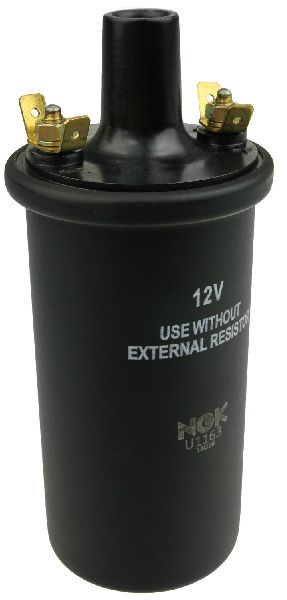
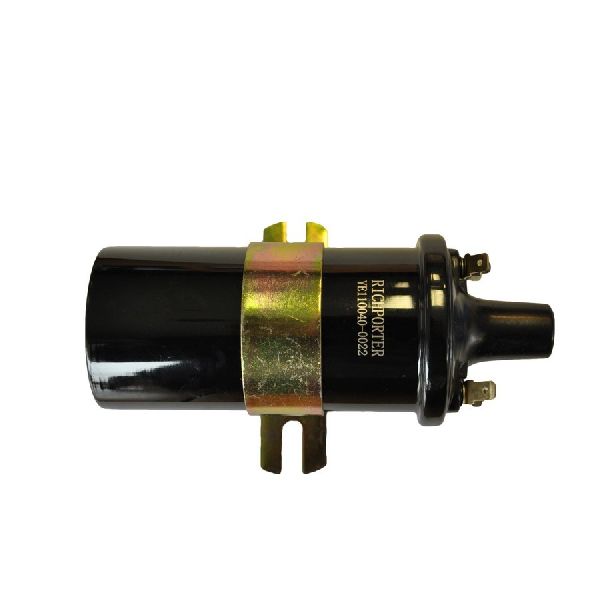
No, this is one of the easiest repairs you can do. The ignition coil is an external canister mounted in the engine bay. It is typically held on by one or two bolts and has two small wires and one large wire (to the distributor) to disconnect. Basic hand tools are all that's needed, and the job can usually be done in under 30 minutes.
Do I need a special 'high performance' coil?
For a stock engine, a standard replacement coil from a quality brand like NGK or Standard Ignition is all you need. These are designed to work perfectly with your vehicle's original ignition system. A high-output or 'performance' coil is not necessary and offers no real benefit on an otherwise standard engine.
Should I replace my spark plugs and distributor parts at the same time?
It's a good idea. The ignition coil is part of a system. If the coil has failed due to age, it's likely the spark plugs, distributor cap, and rotor are also worn. Replacing these tune-up parts at the same time ensures the entire ignition system is in top shape and can prevent future problems.
What is the difference between an oil-filled and an epoxy-filled coil?
Traditional canister coils, like the one in your Subaru, are filled with oil to help cool the internal windings. Some modern aftermarket versions may be filled with epoxy. Both serve the same function. The key is to buy a quality part that is listed as a direct replacement for your vehicle, regardless of its internal construction.
Technical Specifications
This vehicle uses a single, external, canister-style ignition coil compatible with a conventional distributor-based ignition system.
We Have This Part in Stock


The information in this article is provided for general reference and educational purposes only. Vehicle specifications, procedures, and part compatibility can vary by production date, trim level, and region. Always consult your vehicle's factory service manual and verify part numbers before purchasing or performing repairs. Safety-critical components such as airbags, seat belts, and braking systems should be installed by a qualified professional.