

Choosing the Right Spark Plugs for Your 1972-1973 Yamaha EW433
Keep your vintage Yamaha two-stroke engine running reliably with the correct set of spark plugs.
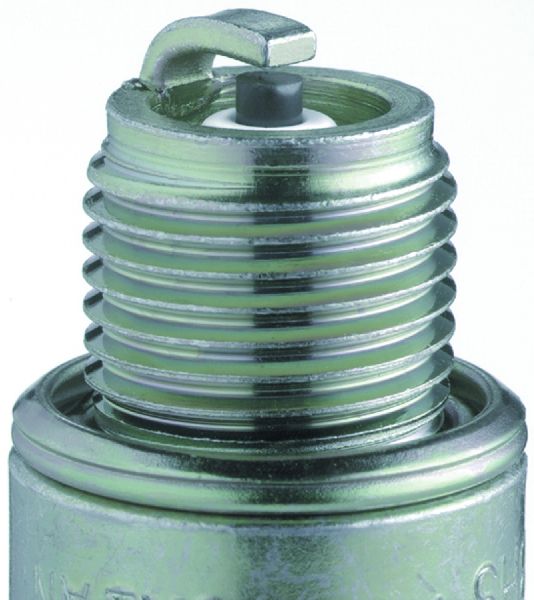
- The most commonly recommended spark plug for the 1972-1973 Yamaha EW433 is the NGK B7HS.
- Always check and set the spark plug gap to approximately 0.5mm - 0.6mm before installation.
- It is wise to change plugs at the beginning of each season and carry a gapped spare set with you on rides.
- Reading the color of your old plugs can help diagnose the health of your two-stroke engine.
Signs of a Failing Spark Plug
On a vintage two-stroke engine like the Yamaha EW433, spark plugs are a key maintenance item. When they start to fail, your snowmobile will let you know. Ignoring these signs can lead to being stranded on the trail.
- Hard Starting: One of the first signs of a worn plug is difficulty getting the engine to fire up, especially when cold.
- Engine Misfires: You might feel the engine hesitate or stumble during acceleration. This is often caused by a weak or inconsistent spark.
- Rough Idle: An unstable idle can point to a plug that isn't firing correctly.
- Fouled Plugs: After removing the plug, you might see it's black, oily, or wet. This is called 'fouling' and it prevents a good spark. This can be caused by an incorrect fuel/oil mixture, carburetor issues, or simply a worn-out plug.
Choosing the Right Aftermarket Spark Plug
For a vintage machine like the 1972-1973 Yamaha EW433, the distinction between OEM and quality aftermarket spark plugs is minimal. Yamaha originally specified NGK or Champion plugs. Today's aftermarket brands like NGK, Champion, and Denso all offer reliable options.
NGK is widely considered the standard for vintage Japanese engines. Many owners and parts suppliers list the NGK B7HS as the go-to plug for this engine. If you find your plugs are fouling quickly, you might try a hotter plug. If you see signs of overheating (white or blistered insulator), a colder plug is needed.
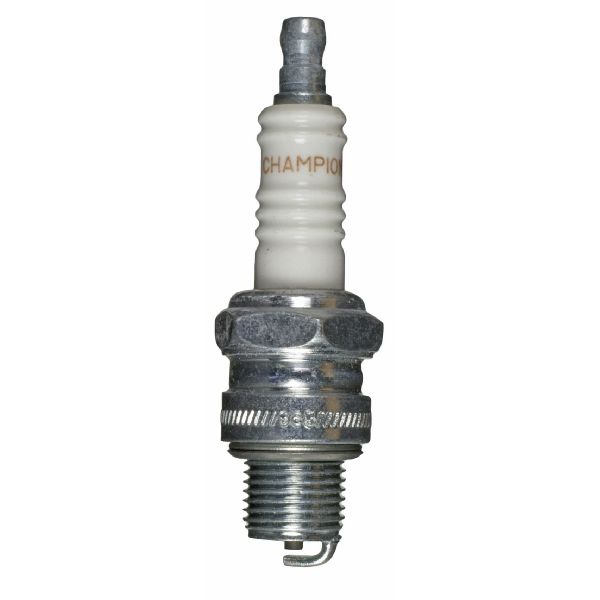
- Good: A standard Champion or Denso copper plug that cross-references to the original spec will work well for general use. The Champion RL82C is a compatible option.
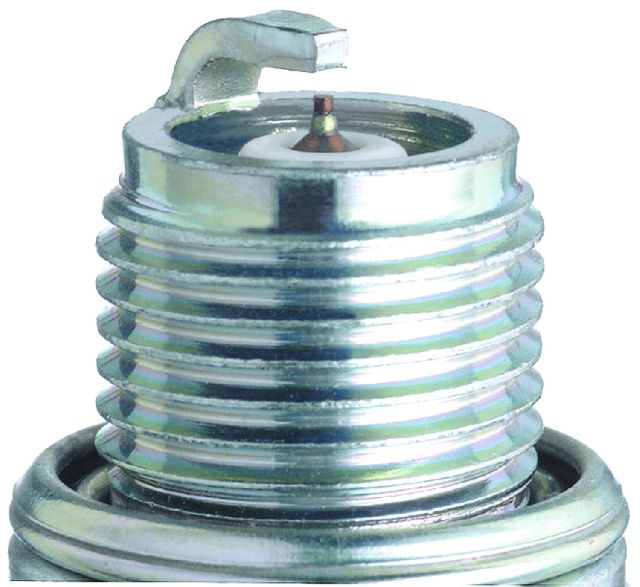
- Better (Recommended): The NGK B7HS is the most commonly cited and trusted spark plug for the EW433 engine. It offers a great balance of performance and longevity for this specific two-stroke application.
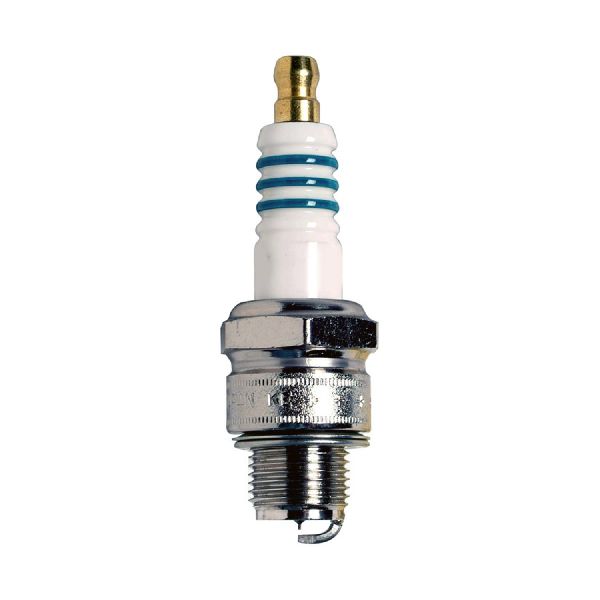
- Best (Performance): For riders looking for the best possible spark and fouling resistance, an Iridium plug like the NGK BR7HIX or a Denso Iridium Power can be used. These are more expensive but offer a stronger spark and last longer, which can be beneficial in a two-stroke that is prone to fouling.
Pro Tip: Read Your Plugs
The color of your old spark plug's ceramic insulator tells a story about your engine's health. A light tan or grayish-brown color indicates the engine is running well. A black, sooty plug means the fuel mixture is too rich or the plug is too cold. A white or blistered plug means the engine is running too lean or hot.
Aftermarket Spark Plug Cost for 1972-1973 Yamaha EW433
| Plug Type | Price Range (Per Plug) |
|---|---|
| Standard Copper (Champion, Denso) | $3.48 - $6.00 |
| Standard NGK (B7HS) | $3.50 - $7.00 |
| Iridium (NGK, Denso) | $13.00 - $17.05 |
Frequently Asked Questions
What is the correct spark plug gap for the Yamaha EW433?
The recommended spark plug gap is typically around 0.5mm to 0.6mm (0.020" - 0.024"). Always use a feeler gauge to check the gap on a new spark plug before installing it, as they are not always set correctly from the factory.
How often should I change the spark plugs?
For a vintage two-stroke snowmobile, it's good practice to check the plugs frequently and change them at the start of every season or every 20-30 hours of use. Many riders carry a spare set of gapped plugs and a plug wrench with them on the trail.
What does a 'fouled' spark plug look like?
A fouled plug will have a black, wet, or oily appearance on the electrode and insulator tip. This coating prevents the plug from creating a strong spark, leading to hard starting and misfires. It's a common issue in two-stroke engines, often caused by incorrect carburetor settings or excessive idling.
Can I use a hotter or colder spark plug?
Yes. A spark plug's 'heat range' refers to how fast it dissipates heat. If your plugs are constantly fouling with black soot, you can try a 'hotter' plug (e.g., NGK B6HS). If your plugs show signs of overheating, like a white or blistered insulator, you need a 'colder' plug (e.g., NGK B8ES). The standard B7HS is the correct starting point.
Technical Specifications
Standard Plug: NGK B7HS. Thread Diameter: 14mm. Thread Reach: 12.7mm. Hex Size: 20.8mm. Recommended Gap: 0.5mm - 0.6mm.
We Have This Part in Stock

The information in this article is provided for general reference and educational purposes only. Vehicle specifications, procedures, and part compatibility can vary by production date, trim level, and region. Always consult your vehicle's factory service manual and verify part numbers before purchasing or performing repairs. Safety-critical components such as airbags, seat belts, and braking systems should be installed by a qualified professional.