

Ignition Coil Guide for the 1972-1973 Subaru Deluxe
Understand symptoms of failure and choose the right replacement coil for your classic Subaru.
- A weak, yellow spark is a classic sign of a failing coil on an older car.
- For a 1972-1973 Deluxe, a quality aftermarket coil from a brand like NGK or Standard Ignition is an excellent and reliable choice.
- Replacement is a simple, 30-minute DIY job for most owners with basic hand tools.
- There are no known recalls or specific technical service bulletins for the ignition coil on this vehicle.
Is Your Subaru Deluxe Ignition Coil Failing?
The ignition coil on a classic car like the 1972-1973 Subaru Deluxe is a durable part, but it can fail from age, heat, and vibration. Since your vehicle doesn't have a 'Check Engine Light' like modern cars, you need to watch for physical symptoms. A failing coil can cause problems that seem minor at first but can leave you stranded if ignored.
Common Symptoms of a Bad Ignition Coil:
- Hard Starting or No Start: The engine cranks but won't fire up, or takes a long time to start. This can happen if the coil isn't producing enough voltage for a strong spark.
- Engine Misfires: The engine may sputter, shake, or run roughly, especially when you try to accelerate. This feels like a loss of power or a jerking motion.
- Sudden Stalling: The engine may die unexpectedly while idling at a stop or even while driving. This can be caused by the coil overheating and failing intermittently.
- Backfiring: A loud pop or bang from the exhaust can occur if unburned fuel enters the exhaust system because of a missing spark.
- Poor Performance and Fuel Economy: If the coil is weak, your engine isn't running efficiently, leading to sluggish acceleration and using more gas than usual.
Pro Tip: The Spark Test
An old mechanic's trick is to check the spark color. Carefully remove the main wire from the distributor cap and hold it near a metal part of the engine (a ground). Have someone crank the engine. A strong, healthy spark will be bright blue. A weak, failing coil will often produce a thin, yellow or orange spark.
Choosing the Right Aftermarket Ignition Coil
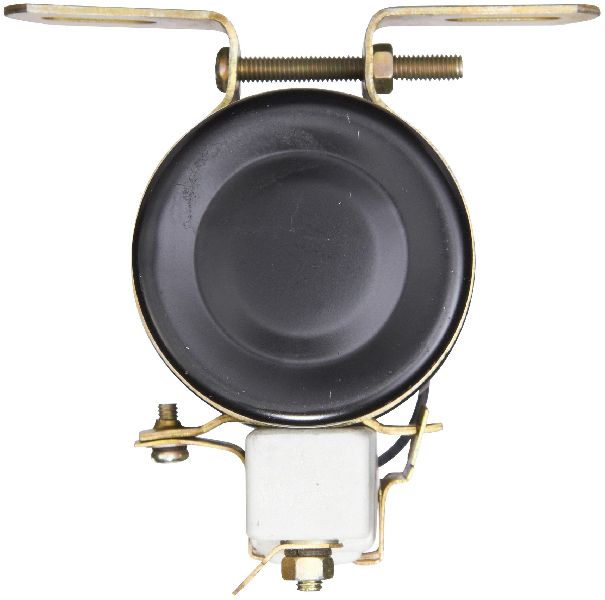
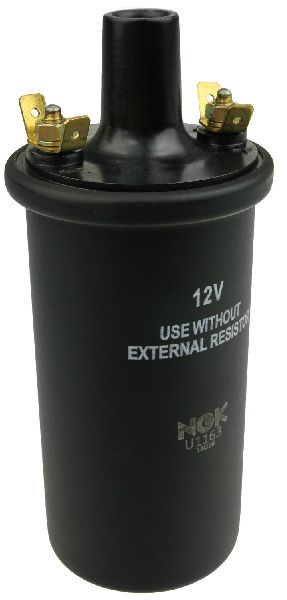
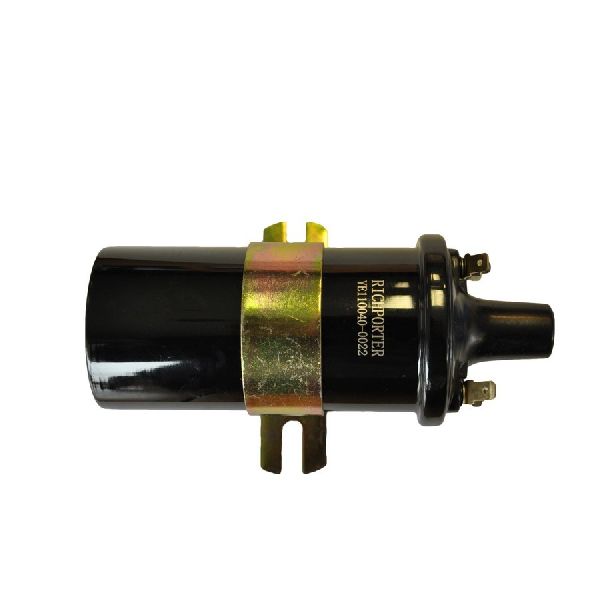
For a vintage vehicle like the '72-'73 Deluxe, finding a new Original Equipment Manufacturer (OEM) ignition coil is highly unlikely. The good news is that several reputable aftermarket companies produce high-quality replacements that meet or exceed the original specifications. The ignition coil for this car is a standard canister-style coil, a common part for that era.
Aftermarket Brand Tiers
When shopping, you can group the available brands by their general reputation in the industry:
- Premium Aftermarket (NGK, Standard Ignition): These brands are well-known for their quality and reliability. NGK is a trusted name in ignition parts for Japanese vehicles, often matching OEM quality. Standard Motor Products (Standard Ignition) has a long history of producing durable parts, with their Blue Streak line often including improvements over the original designs.
- Quality Standard (Holstein, WAI Global): These brands are solid, reliable choices that aim to provide OE-level performance. They are a good balance of quality and cost, often backed by good warranties.
- Economy (Global Parts): This brand represents a cost-effective solution to get your car back on the road. While functional, they may not have the same long-term durability or stringent quality control as premium brands.
OEM vs. Aftermarket for Your Deluxe
Don't worry about finding a Subaru-branded part. A quality aftermarket coil from a reputable brand like NGK or Standard Ignition is an excellent and often superior choice for a vehicle of this age. The technology is simple, and these companies have perfected it over decades.
Typical Replacement Costs
The cost for a new aftermarket ignition coil is very reasonable. The part itself is affordable, and replacement is a quick job for a mechanic or an easy DIY project.
| Item | Estimated Cost |
|---|---|
| New Aftermarket Ignition Coil | $27.45 - $46.31 |
| Shop Labor | $50 - $100 |
| Total Estimated Cost | $77.45 - $146.31 |
Frequently Asked Questions (FAQ)
Can I replace the ignition coil myself?
Yes, for most owners with basic tools, this is a very easy job. The coil is typically mounted on the fender or firewall with one or two bolts. You just need to disconnect the battery, unplug the two small electrical wires, unplug the main high-tension wire, unbolt the old coil, and install the new one in its place.
Is a more expensive coil really better for my car?
For this vehicle, paying a little more for a brand like NGK or Standard Ignition is a good investment in reliability. These brands often use better internal materials and have stricter quality control, which can lead to a longer service life.
How do I know for sure the coil is the problem?
The easiest way is to substitute a known good coil. If the problem goes away, the old coil was bad. You can also use a multimeter to test the primary and secondary resistance of the coil, though the specifications can be hard to find for a vehicle this old. The visual spark test is often the most practical diagnostic method.
Do I need to replace anything else at the same time?
It is always a good idea to inspect your spark plugs and spark plug wires when replacing the coil. Worn plugs or bad wires can put extra strain on a new coil and can cause similar running problems. If they are old, replacing them is a smart preventative measure.
Technical Specifications
This vehicle uses a standard, oil-filled canister-style ignition coil. Some ignition systems of this era use an external ballast resistor, while others do not. It is important to verify if your specific vehicle has one to ensure you purchase a compatible coil.
We Have This Part in Stock


The information in this article is provided for general reference and educational purposes only. Vehicle specifications, procedures, and part compatibility can vary by production date, trim level, and region. Always consult your vehicle's factory service manual and verify part numbers before purchasing or performing repairs. Safety-critical components such as airbags, seat belts, and braking systems should be installed by a qualified professional.