

Choosing the Right Spark Plug for Your 1972 Sno-Jet SST 338
Keep your vintage Sno-Jet's Yamaha engine running strong with the correct spark plug.
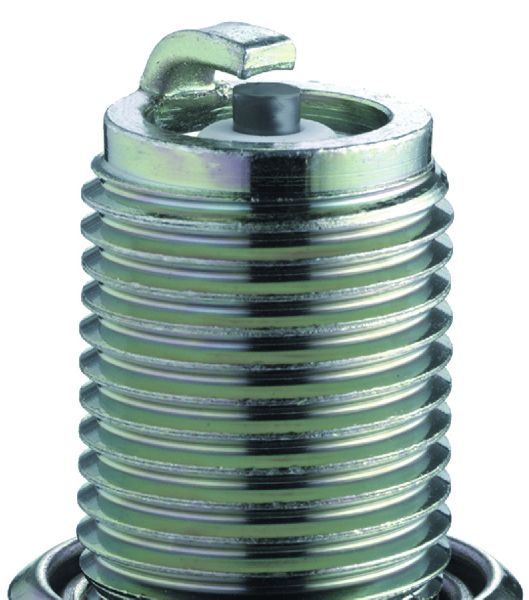
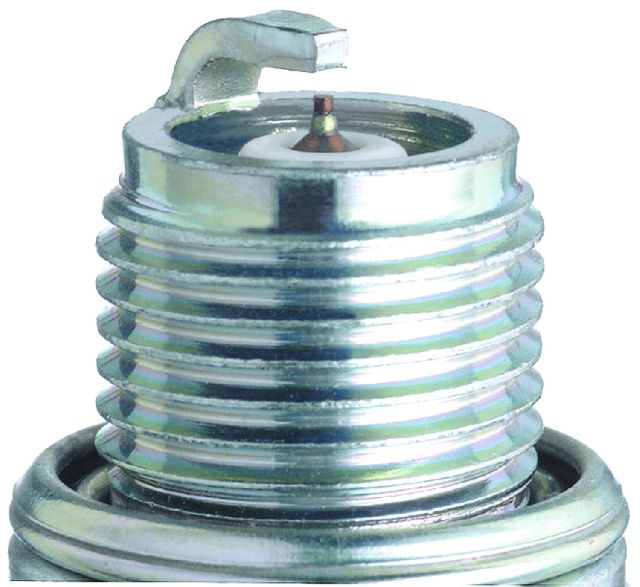
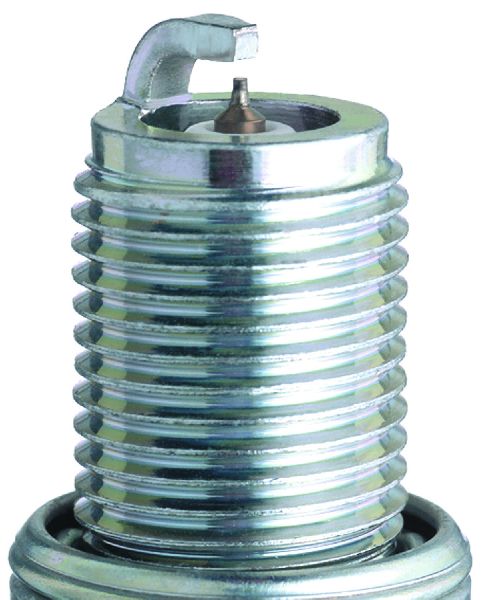
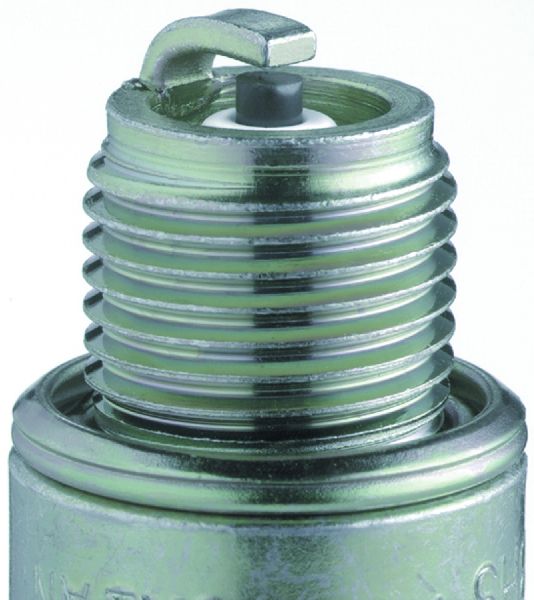
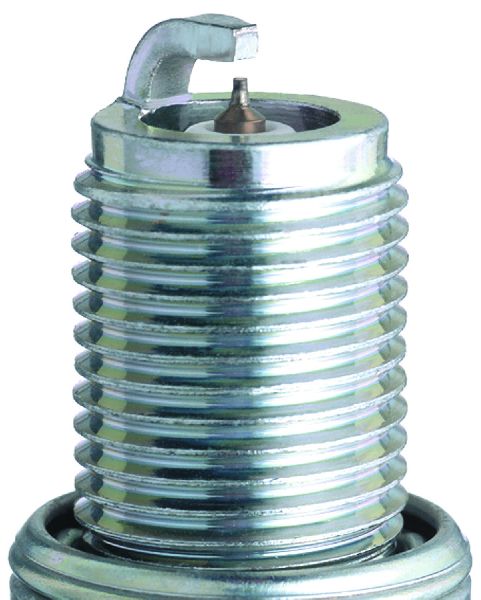
- The NGK B8HS is the most highly recommended aftermarket spark plug for the Yamaha engine in the 1972 Sno-Jet SST 338.
- Always verify and set the spark plug gap before installation; a common setting is 0.020 inches.
- Due to the nature of two-stroke engines, it is wise to replace your spark plug annually and always carry a gapped spare.
- A fouled or failed spark plug is a very common cause of starting and running issues on these vintage sleds.
Signs of a Failing Spark Plug
A worn or fouled spark plug can cause a number of problems on your Sno-Jet. Because the engine is a two-stroke, it's more sensitive to spark plug condition than a modern four-stroke engine. Watch for these symptoms:
- Hard Starting: One of the first signs is difficulty starting the engine, especially when it's cold. A weak spark makes it harder to ignite the fuel mixture.
- Misfiring or Rough Running: If the engine sputters, runs unevenly, or feels like it's losing power intermittently, the spark plug could be the culprit.
- Fouling: This is common in two-stroke engines. A fouled plug will be covered in black, oily, or sooty deposits. This buildup prevents a good spark. Too much oil in the gas mix is a common cause.
- No Spark at All: In some cases, a bad plug simply fails completely, which will prevent the engine from starting. It's a common issue that can leave you stranded.
Pro Tip: The "Plug Chop"
Experienced riders check their spark plug color to see how the engine is running. After a full-throttle run, immediately shut off the engine and check the plug. A light, chocolate-brown color on the insulator tip means your air-fuel mixture is correct. White indicates a lean (and dangerously hot) condition, while black and oily means it's too rich.
Choosing the Right Aftermarket Spark Plug
For a vintage machine like the 1972 Sno-Jet SST 338 with its Yamaha engine, you don't need an original Sno-Jet branded part. The original plugs were made by major brands anyway. Today's aftermarket offers excellent, reliable options. The two most common and recommended brands are NGK and Champion.
Brand Tiers for Your Sno-Jet
Tier 1: Best Performance (NGK)
Most vintage snowmobile enthusiasts and forums strongly recommend using NGK spark plugs for the Yamaha engine in the SST 338. The most commonly cited replacement is the NGK B8HS. These plugs are known for their reliability, resistance to fouling, and consistent spark, which is exactly what this Japanese-designed two-stroke engine needs.
Tier 2: Good Value (Champion)
Champion is another well-known brand that produces compatible spark plugs, such as the L82C or a similar cross-reference. While they are a perfectly acceptable option and will work, the general consensus in the vintage sled community is that NGK plugs offer more reliable performance in Yamaha engines. If you're on a budget, a Champion plug will get the job done, but NGK is often considered the superior choice for this specific application.
Aftermarket Spark Plug Cost
| Part | Price Range |
|---|---|
| New Aftermarket Spark Plug (NGK, Champion) | $5.12 - $14.32 |
A Note on Recalls and TSBs
There are no official recalls or Technical Service Bulletins (TSBs) from the manufacturer or the NHTSA regarding spark plugs for the 1972 Sno-Jet SST 338. This is expected for a vehicle of this age. All knowledge comes from historical documents and community experience.
Frequently Asked Questions
What is the correct spark plug gap for the 1972 Sno-Jet SST 338?
The recommended spark plug gap can vary slightly based on the specific engine version (Y338 vs S338). A common gap setting is 0.020 inches (0.5mm). However, some sources suggest a 0.016" gap for certain models. Always double-check the specification for your plug and engine, and use a feeler gauge to set the gap correctly before installation.
How often should I change the spark plug?
For a vintage two-stroke, it's wise to change the spark plug at the beginning of every riding season. Because they are inexpensive, many riders carry a spare, pre-gapped plug and a small wrench with them on every ride. A fouled plug can happen unexpectedly, and being able to swap it out in a few minutes can save you a long walk home.
What does a fouled spark plug look like?
A fouled plug will have a black, wet, or sooty appearance on the electrode and insulator tip. This is caused by unburnt fuel or excessive oil in the combustion chamber. If your plugs are fouling repeatedly, it could be a sign that your carburetor needs adjustment or you are using the wrong oil-to-gas mixture ratio.
Can I just clean a fouled spark plug?
In a pinch, you can sometimes clean a fouled plug with a wire brush and some brake cleaner to get it working again. However, this is often a temporary fix. NGK plugs, in particular, can be difficult to restore to full function once they have been heavily fouled. Given the low cost, replacement is always the best option for reliability.
Technical Specifications
Recommended Aftermarket Plugs: NGK B8HS, Champion L82C Common Spark Plug Gap: 0.020" (0.5mm) or 0.016" (0.4mm) depending on engine variant. Thread Diameter: 14mm Thread Length: 12.7mm (1/2")
We Have This Part in Stock

The information in this article is provided for general reference and educational purposes only. Vehicle specifications, procedures, and part compatibility can vary by production date, trim level, and region. Always consult your vehicle's factory service manual and verify part numbers before purchasing or performing repairs. Safety-critical components such as airbags, seat belts, and braking systems should be installed by a qualified professional.