

Oldsmobile Custom Cruiser Voltage Regulator Guide (1971-1985)
Solve flickering lights and charging problems on your classic wagon by understanding its voltage regulator.
- First, confirm if your Custom Cruiser has an external regulator (likely 1971-72) or an internal one inside the alternator (likely 1973-85).
- Symptoms like flickering lights and battery problems point directly to a failing regulator.
- Standard Ignition is a reliable aftermarket brand for this part.
- Replacing an external regulator is a very easy DIY job that takes less than 30 minutes.
Is the Voltage Regulator on My Custom Cruiser Internal or External?
This is the most important question for 1971-1985 models. General Motors began phasing out external voltage regulators in the early 1970s.
- 1971-1972 Models: These years most likely use an external voltage regulator. This is a small metal box, usually mounted on the firewall or inner fender of the engine bay.
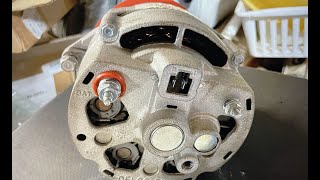
- 1973-1985 Models: These years use an internal voltage regulator, which is located inside the alternator itself. If you replace the alternator on these models, you are also replacing the voltage regulator.
Pro Tip: Visual Check
The easiest way to be sure is to look. Check your firewall for a small box with a wiring harness plugged into it. If you see one, you have an external regulator. If not, your regulator is inside the alternator. Many older cars with external regulators have been upgraded to newer, internally regulated alternators over the years.
Symptoms of a Failing Voltage Regulator
A bad voltage regulator can cause confusing electrical problems. The symptoms are often mistaken for a bad battery or alternator.
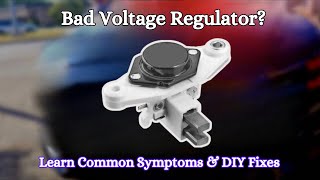
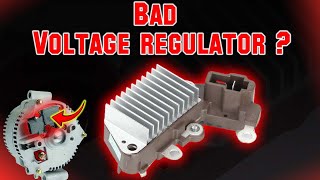
🎬 Watch this guide on identifying and fixing common regulator symptoms.- Flickering or Dimming Lights: Headlights and dash lights may flicker, pulse, or change brightness as you rev the engine.
- Battery Issues: Your battery may repeatedly die because it's not getting charged correctly (undercharging). Conversely, the regulator can fail and overcharge the battery, causing a rotten egg smell, a swollen battery case, or boiling sounds. Overcharging is dangerous and can destroy the battery.
- Battery Warning Light: The 'GEN' or battery light on your dash may light up or flicker, indicating a charging system problem.
- Erratic Engine Performance: Voltage fluctuations can sometimes cause the engine to sputter or stall because the ignition system isn't getting stable power. 🎬 Learn more about the warning signs of a failing regulator.
Choosing the Right Aftermarket Part
For a vehicle of this age, new Original Equipment Manufacturer (OEM) parts are generally unavailable. Aftermarket parts are the most practical and common solution. The primary brand available for this application is Standard Motor Products (SMP).
- Quality Assessment: Standard Motor Products is a well-regarded aftermarket manufacturer that has been around for a long time. They produce parts that are designed to meet or exceed original specifications. For electrical components on classic GM vehicles, SMP is considered a reliable choice by many mechanics and DIYers.
- OEM vs. Aftermarket: In this case, a new aftermarket part from a quality brand like Standard Ignition is often superior to a decades-old, used OEM part. The electronic components in voltage regulators degrade over time. A new part provides modern reliability for your classic car's simple electrical system.
Estimated Costs
| Part Type | Price Range |
|---|---|
| New Aftermarket (External Regulator) | $35.65 - $106.61 |
| New Aftermarket (Alternator with Internal Regulator) | $70 - $200+ |
| Shop Labor (External Regulator Replacement) | $50 - $100 |
| Shop Labor (Alternator Replacement) | $100 - $200 |
Known Issues, Recalls, and Service Bulletins
Searches of the National Highway Traffic Safety Administration (NHTSA) database show no specific recalls or technical service bulletins (TSBs) for the voltage regulator on the 1971-1985 Oldsmobile Custom Cruiser. Any issues you encounter will almost certainly be due to the age and normal wear of the original components. Poor ground connections are a common source of electrical issues on these vehicles, so always check that your grounds are clean and tight.
Frequently Asked Questions (FAQ)
Can I replace an external voltage regulator myself?
Yes, this is a very simple job for a DIYer. It typically involves unplugging the wiring harness, removing two mounting screws, and installing the new part. The entire process usually takes less than 30 minutes with basic hand tools.
If I have an external regulator, should I upgrade to an internal one?
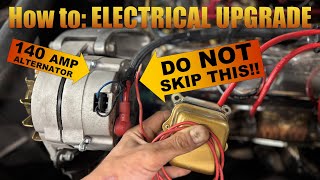
Many owners choose to upgrade to a modern, internally regulated alternator (like a Delco 10-SI or 12-SI) when their old alternator or regulator fails. This is a popular conversion that improves reliability. It requires some simple wiring changes to bypass the old external regulator harness.
🎬 See how to convert from an external to internal regulator.What happens if I ignore a bad voltage regulator?
Ignoring it can be costly. An undercharging failure will leave you stranded with a dead battery. An overcharging failure can permanently damage the battery, wiring, and other sensitive electronics, and in rare cases, cause the battery to burst.
Are there any common mistakes when ordering?
The most common mistake is not confirming if your car has an external regulator or an internal one within the alternator. For 1971-1972 models, visually check the firewall before ordering a separate regulator. If you are replacing the alternator on a later model, the regulator is already included.
Helpful Videos
Technical Specifications
System Voltage: 12V. Regulator Type: External (1971-1972), Internal (1973-1985). Terminal Count (External): 4-pin connector.
We Have This Part in Stock


The information in this article is provided for general reference and educational purposes only. Vehicle specifications, procedures, and part compatibility can vary by production date, trim level, and region. Always consult your vehicle's factory service manual and verify part numbers before purchasing or performing repairs. Safety-critical components such as airbags, seat belts, and braking systems should be installed by a qualified professional.