

1971-1977 Mercury Comet Engine Coolant Bypass Hose Replacement Guide
Keep your classic Comet's engine safe by understanding this small but critical cooling system hose.
- The bypass hose is critical for engine warm-up and preventing hot spots; failure can lead to overheating.
- For a 1971-1977 Comet, new aftermarket hoses from brands like Gates, Dayco, or Continental are the only practical option and offer modern reliability.
- Symptoms of failure include coolant leaks, a sweet smell, visible hose damage (cracks, swelling), and engine overheating.
- This is an easy and inexpensive DIY repair; always use a molded hose for a proper fit and replace the clamps at the same time.
Is Your Comet's Bypass Hose Failing?
On a classic car like the Mercury Comet, rubber parts are often the first to fail due to age. The engine coolant bypass hose is constantly exposed to heat and pressure, and after 50+ years, it's likely ready for replacement. Ignoring the signs can lead to serious engine damage from overheating.
Symptoms of a Bad Bypass Hose
- Coolant Leaks: This is the most common sign. You may see green, yellow, or orange fluid dripping onto the ground or other engine parts. A small leak might just produce a sweet smell of coolant or some steam from the engine bay.
- Engine Overheating: If the hose leaks enough coolant, the engine can't cool itself properly. The temperature gauge on your dash will climb into the red. This is a serious condition that can cause major engine damage.
- Visible Hose Damage: Inspect the hose itself. Look for cracks, splits, or soft, spongy spots. An oil leak from another part of the engine can drip onto the hose, causing it to swell and feel soft.
- Low Coolant Level: If you have to add coolant to your radiator frequently, you have a leak somewhere in the system. The bypass hose is a common culprit.
A Note on OEM vs. Aftermarket
For a vehicle from the 1970s, new original equipment manufacturer (OEM) parts from Ford are generally not available. Any that exist are considered "New Old Stock" (NOS) and are often extremely rare and expensive. For a simple rubber part like a coolant hose, modern aftermarket parts from reputable brands are the only practical and reliable choice. They are made with modern rubber compounds (like EPDM) that resist heat and degradation better than the originals.
Choosing the Right Aftermarket Bypass Hose
For the 1971-1977 Mercury Comet, several trusted aftermarket brands offer quality replacement hoses. The key difference is often in the exactness of the fit, though all are designed to meet or exceed the original specifications. The brands available—Continental, Dayco, and Gates—are all well-regarded in the industry.
- Gates: Often considered a top-tier aftermarket brand. Gates hoses are known for their durability and precise, molded fit that often matches the original part closely. They are engineered to resist electrochemical degradation, a common cause of hose failure from the inside out.
- Continental: Another premium brand, sometimes sold as Continental Elite. They produce high-quality hoses that are a reliable choice for any repair.
- Dayco: A solid and dependable option that is widely available. Some mechanics note that Dayco hoses can sometimes be slightly thicker than others, which is neither good nor bad, just a manufacturing difference. Fitment is generally good and they provide a reliable seal.
Pro Tip: When replacing any coolant hose, it's essential to also replace the hose clamps. Old clamps can lose their tension and may not provide a secure seal on the new hose, leading to leaks.
Cost of Replacing a Comet Bypass Hose
Replacing this hose is one of the more affordable repairs you can make to your cooling system. The part itself is inexpensive, and if you do the work yourself, you can save on labor costs.
| Item | Estimated Cost |
|---|---|
| New Aftermarket Bypass Hose | $25.77 - $28.99 |
| Shop Labor | $75 - $150 |
| Total Estimated Cost | $100 - $180 |
Frequently Asked Questions
Are there any recalls for the 1971-1977 Mercury Comet coolant bypass hose?
No. A search of the National Highway Traffic Safety Administration (NHTSA) database shows no recalls or technical service bulletins (TSBs) related to the coolant bypass hose for the 1971-1977 Mercury Comet. Any failures are due to the age and normal wear of the rubber component. There were notable fuel tank recalls for some of these model years, but that is an unrelated system.
Can I replace the bypass hose myself?
Yes, this is a very DIY-friendly job for someone with basic mechanical skills. It typically involves draining some coolant, loosening two hose clamps, removing the old hose, and installing the new one. The engines in these cars provide ample room to work.
Should I use a molded hose or a universal flexible hose?
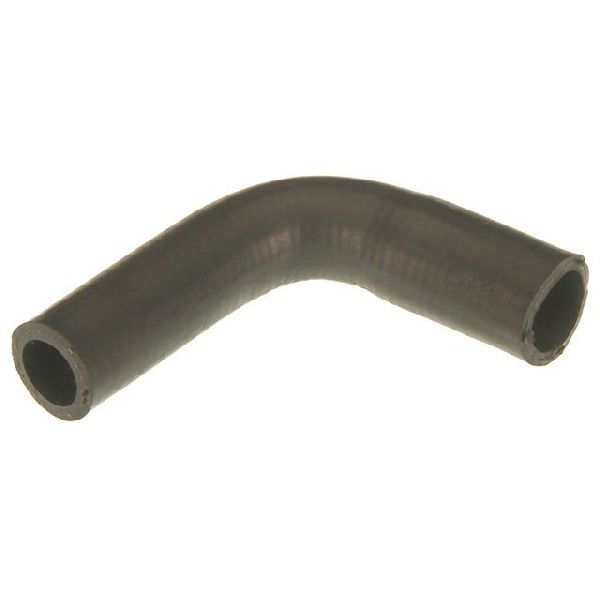
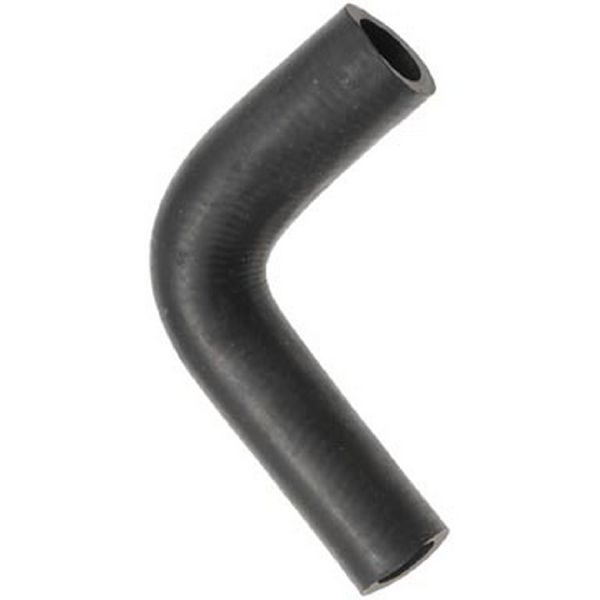
Always use a pre-molded hose designed for your specific vehicle and engine (e.g., 6-cylinder vs. V8). Universal or flexible hoses can kink or collapse, restricting coolant flow and causing overheating. Molded hoses from brands like Gates, Dayco, or Continental are designed with the correct bends to ensure a perfect fit and proper flow.
What kind of coolant should I use in my Mercury Comet?
For classic cars like the Comet, a traditional green or yellow Inorganic Acid Technology (IAT) coolant is generally recommended. Always mix it 50/50 with distilled water. Check your owner's manual if you have it, or consult a classic Ford/Mercury resource for the exact specification for your engine.
Technical Specifications
Molded EPDM rubber construction, resistant to heat, ozone, and electrochemical degradation. Designed for a specific engine (e.g., Inline-6 or V8) and model year.
We Have This Part in Stock

The information in this article is provided for general reference and educational purposes only. Vehicle specifications, procedures, and part compatibility can vary by production date, trim level, and region. Always consult your vehicle's factory service manual and verify part numbers before purchasing or performing repairs. Safety-critical components such as airbags, seat belts, and braking systems should be installed by a qualified professional.