

Ford Custom 500 Engine Coolant Bypass Hose Replacement (1971-1977)
A small hose that prevents big overheating problems in your classic Ford V8.
- A failing bypass hose will cause coolant leaks and can lead to critical engine overheating; do not drive if you suspect a leak.
- Symptoms include coolant puddles, a sweet smell, steam from the engine, and visible hose damage like cracks or bulges.
- New aftermarket hoses from brands like Gates or Dayco are the best option, as new OEM parts are unavailable and old stock is unreliable.
- Always replace hose clamps with the new hose to ensure a proper seal and prevent future leaks.
Is Your Engine Coolant Bypass Hose Failing?
On a classic car like the Ford Custom 500, rubber parts are often the first to fail due to age. Decades of heat and pressure cause the bypass hose to crack, swell, and weaken. A failure in this small hose can lead to major engine problems from overheating. Watch for these clear warning signs.
Symptoms of a Bad Bypass Hose
- Coolant Leaks: This is the most common sign. You might see drips or puddles of green or yellow fluid under the front of your engine. The leak might only happen when the engine is hot.
- Sweet Smell: Leaking coolant has a distinct sweet, syrupy smell. You may notice this from the engine bay even before you see a leak.
- Visible Hose Damage: Look at the hose itself. If it feels mushy, spongy, or rock-hard and brittle, it needs to be replaced. Also look for cracks, splits, or bulging, especially near the clamps.
- Engine Overheating: If the hose leaks enough coolant, your engine's temperature gauge may climb into the red. Driving with low coolant can cause serious and permanent engine damage.
- Steam from Engine Bay: If leaking coolant drips onto hot engine parts, it will create steam or white smoke that comes from under the hood.
Critical Warning: Do Not Drive
If you suspect a coolant leak, do not drive the vehicle. A small leak can turn into a burst hose without warning, causing a rapid loss of coolant and catastrophic engine damage from overheating.
Choosing the Right Aftermarket Hose: OEM vs. Aftermarket
For a 1971-1977 Ford Custom 500, finding a new original Ford (OEM) hose is nearly impossible. Even if you found a "New Old Stock" (NOS) part, the rubber would be decades old and unreliable. A new aftermarket hose is your best and only practical option. The good news is that modern aftermarket hoses are made with superior rubber compounds like EPDM that resist degradation better than the original parts.
Brand Comparison: Dayco vs. Gates
Both Dayco and Gates are well-known, reputable brands that produce quality replacement hoses.
- Gates: Often considered an OEM-equivalent supplier, Gates is well-regarded for proper fitment and quality on classic American vehicles. Some mechanics prefer Gates due to their accurate parts catalogs.
- Dayco: Dayco is a reliable and widely available brand. Some users have noted that their hoses can feel slightly thicker, while others have occasionally run into fitment issues, so it's always good to compare the new hose to the old one before installation.
For this part, both brands are a solid choice. The most important factor is getting the correct molded hose for your specific engine, as a generic straight hose will kink and cause flow problems.
Mechanic's Tip: Replace the Clamps
Always replace the hose clamps when you install a new hose. Old clamps can lose their tension over time and may not provide a proper seal, leading to leaks. It is also a great time to inspect your main radiator and heater hoses, as they are the same age and have endured the same conditions.
Estimated Replacement Costs
| Part/Service | Estimated Cost | Notes |
|---|---|---|
| New Aftermarket Hose | $26.01 - $81.22 | This is the most reliable and practical option. Price varies by brand. |
| New OEM (NOS) | N/A | Extremely rare to find and not recommended due to the age of the rubber. |
| Shop Labor | $100 - $200 | Typically a 1-1.5 hour job. Diagnosis of other cooling system issues will add time. |
Frequently Asked Questions (FAQ)
Can I replace the bypass hose myself?
Yes, this is a job that most DIY mechanics can handle. It requires basic hand tools, a drain pan for coolant, and pliers to remove the old clamps. The process of swapping the hose is straightforward, though access can sometimes be tight.
Why is it called a 'bypass' hose?
It's called a bypass hose because it allows coolant to 'bypass' the radiator and thermostat when the engine is cold. This helps the engine warm up faster and more evenly.
What kind of coolant should I use in my Custom 500?
For these classic cars, a traditional IAT (Inorganic Additive Technology) coolant, which is typically green, is the correct choice. Do not mix it with modern OAT coolants (like orange Dex-Cool), as this can cause problems in older cooling systems.
Are there any recalls on this part?
No, there are no official recalls or Technical Service Bulletins (TSBs) from Ford or the NHTSA specifically for the engine coolant bypass hose on the 1971-1977 Ford Custom 500. This is common for vehicles of this age.
Technical Specifications
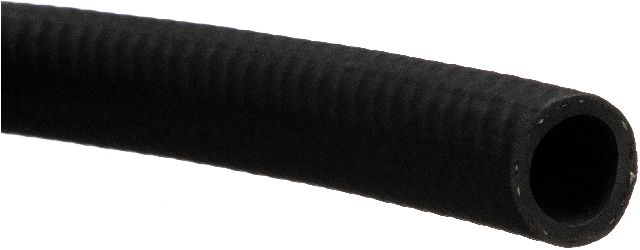
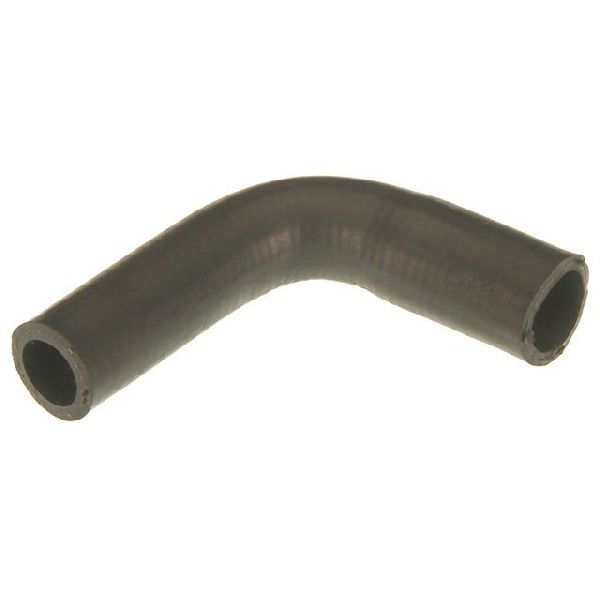
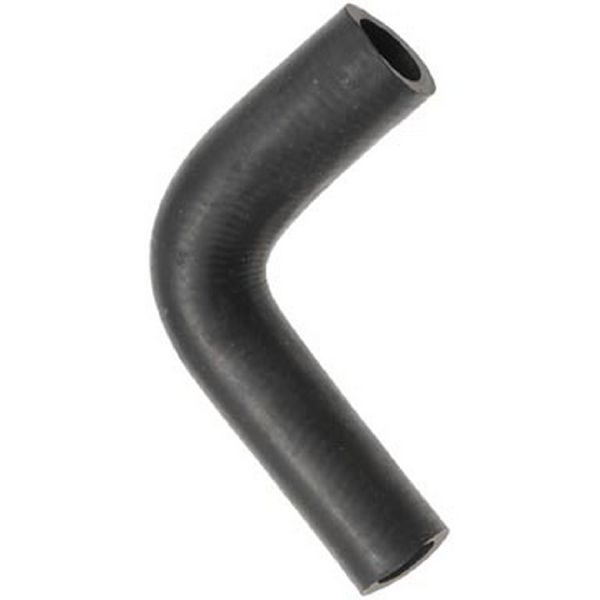
This is a molded rubber hose, often made of EPDM, specific to Ford V8 engines of the era. It connects the water pump to the intake manifold to allow coolant to bypass the thermostat. You must use a molded hose designed for your specific engine; a generic hose will not work correctly.
We Have This Part in Stock

The information in this article is provided for general reference and educational purposes only. Vehicle specifications, procedures, and part compatibility can vary by production date, trim level, and region. Always consult your vehicle's factory service manual and verify part numbers before purchasing or performing repairs. Safety-critical components such as airbags, seat belts, and braking systems should be installed by a qualified professional.