

1971-1976 Dodge Coronet Engine Coolant Bypass Hose: A Replacement Guide
Don't let a small, inexpensive hose cause major engine damage to your classic Coronet.
- A failing bypass hose will lead to a coolant leak, which can cause severe engine overheating and catastrophic damage.
- Symptoms include visible leaks, a sweet antifreeze smell, and a dropping coolant level.
- High-quality aftermarket brands like Dayco and Gates are reliable and readily available replacements for your classic Coronet.
- Due to the high risk of engine damage, you should not drive your vehicle if you know the bypass hose is leaking.
Symptoms of a Failing Bypass Hose
A bad coolant bypass hose will almost always result in a coolant leak. Because these hoses are over 50 years old, failure is common due to age, heat, and oil contamination. Catching the signs early can save you from a much bigger problem like severe engine overheating.
- Visible Coolant Leaks: You may see drips or a small puddle of green, orange, or pink fluid under the engine bay. The leak will be near the top of the engine, typically between the water pump and the intake manifold.
- Low Coolant Level: You might find yourself needing to top off the coolant reservoir more frequently than usual.
- Engine Overheating: If the hose bursts, it will cause a rapid loss of coolant and your engine's temperature gauge will climb into the red very quickly. This is a critical situation that can cause permanent engine damage.
- Sweet Smell: The distinct, sweet smell of antifreeze is a sure sign of a leak somewhere in the cooling system.
- Damaged Hose: A visual inspection may reveal cracks, swelling, or a soft, spongy feel to the hose. Any hose that looks swollen or feels mushy should be replaced immediately.
Critical Warning: Engine Overheating
If your Coronet's temperature gauge enters the red zone, pull over immediately and shut off the engine. Driving with an overheated engine, even for a short time, can lead to warped cylinder heads, a blown head gasket, or a seized engine.
Choosing the Right Aftermarket Bypass Hose
For a classic vehicle like the 1971-1976 Coronet, finding original "New Old Stock" (NOS) Mopar hoses is very difficult and often expensive. The good news is that high-quality aftermarket brands provide reliable and affordable replacements that meet or exceed original specifications. The two most common brands available are Dayco and Gates.
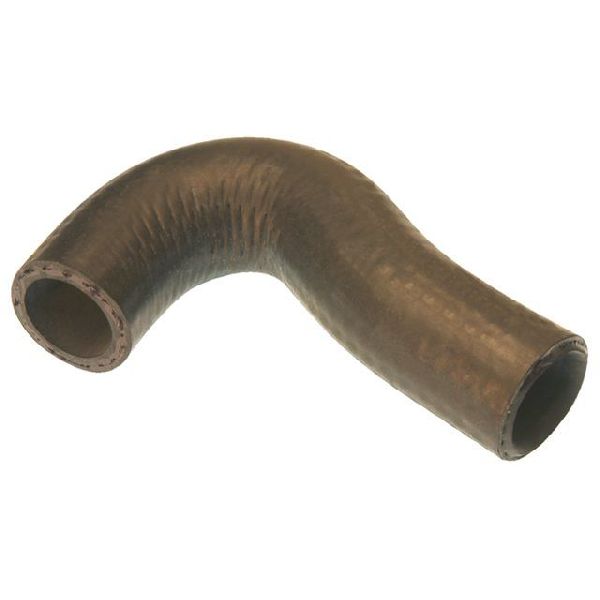
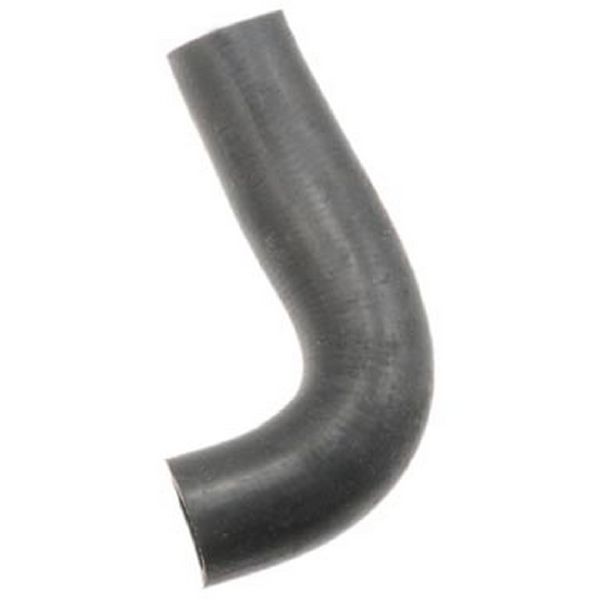
Based on owner feedback and mechanic experience, both Dayco and Gates are considered reputable choices for coolant hoses. There is no clear winner between the two, as both have a long history of producing quality parts. Some mechanics have preferences based on past experiences with fitment, with some finding Dayco fits better in one application, and Gates in another. The most important factor is ensuring the molded shape of the new hose matches your old one to prevent kinks or stress.
Pro Tip: Check the Clamps
When replacing any coolant hose, it's always a good idea to replace the hose clamps as well. After decades of service, old clamps can lose their tension and fail to create a proper seal, leading to leaks even with a new hose.
Estimated Replacement Costs
The cost to replace the engine coolant bypass hose is very reasonable, especially if you do the work yourself. The part itself is inexpensive, and labor is minimal.
| Part/Service | Estimated Cost |
|---|---|
| New Aftermarket Bypass Hose (Dayco, Gates) | $20.08 - $81.22 |
| Shop Labor | $60 - $120 |
| Total Estimated Cost (Professional) | $80 - $202 |
Frequently Asked Questions
Is there a recall on the 1971-1976 Dodge Coronet for the coolant bypass hose?
No, there are no active recalls or Technical Service Bulletins (TSBs) from the NHTSA related to the engine coolant bypass hose for this vehicle. Failures are typically due to the age and wear of the rubber component.
Can I replace the bypass hose myself?
Yes, this is a very DIY-friendly job for someone with basic tools. The process involves partially draining the coolant, removing the old hose clamps, swapping the hose, reinstalling the clamps, and refilling the system with the correct type of coolant. Always allow the engine to cool completely before working on the cooling system.
How often should I replace my Coronet's coolant hoses?
For a classic car, it's wise to inspect all coolant hoses annually for signs of cracking, swelling, or softness. As a preventative measure, many owners replace all coolant hoses every 5-10 years, regardless of appearance, to avoid being stranded by a sudden failure.
Is a Dayco or Gates hose better for my Coronet?
Both Dayco and Gates are trusted aftermarket brands that produce quality hoses. Neither is definitively "better" than the other; both are reliable options. The best practice is to compare the new hose to the old one before installation to ensure the bends and length are a good match.
Technical Specifications
OEM Part Numbers: Not readily available for this model year.
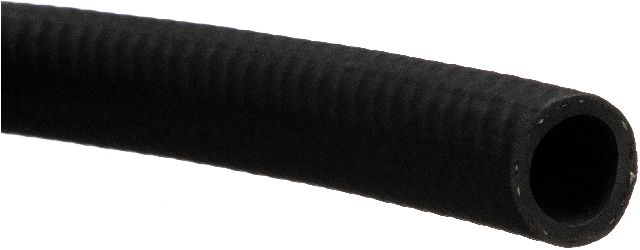
Molded rubber or EPDM construction, specific shape to fit between water pump and intake manifold on Mopar big-block or small-block V8 engines.
We Have This Part in Stock

The information in this article is provided for general reference and educational purposes only. Vehicle specifications, procedures, and part compatibility can vary by production date, trim level, and region. Always consult your vehicle's factory service manual and verify part numbers before purchasing or performing repairs. Safety-critical components such as airbags, seat belts, and braking systems should be installed by a qualified professional.