

Choosing the Right Aftermarket Starter for Your 1971-1975 Jeep DJ5
Get your classic mail Jeep turning over reliably with the right new starter motor.
- Always test your battery and clean the cable connections before replacing the starter to rule out a simpler problem.
- For a stock DJ5, a standard aftermarket starter is sufficient, but a high-torque model is a good upgrade for reliability.
- Replacing the starter is a DIY-friendly job on these simple vehicles, typically requiring only basic hand tools.
- No specific recalls or TSBs exist for the starter on this vehicle; problems are diagnosed through standard mechanical troubleshooting.
Is Your DJ5's Starter Failing?
A bad starter can leave you stranded. Because these Jeeps are simple, the signs of a failing starter are usually clear. Don't get stuck; listen to what your DJ5 is telling you. The most common symptom is a single, loud 'click' when you turn the key, but the engine doesn't crank. You might also hear a grinding noise, which could mean the starter gear isn't meshing correctly with the flywheel. Sometimes, a weak battery can be mistaken for a bad starter, so always check your battery connections and charge first.
Choosing Your New Aftermarket Starter
Since new OEM starters for a vehicle this old are virtually nonexistent, the aftermarket is your only real source for a new part. The good news is that there are quality options available that meet or exceed original specifications. Your choice depends on your budget and how you use your Jeep.
Brand Quality Tiers
- Performance Tier (MSD, Powermaster): These brands specialize in high-torque starters. A high-torque starter provides more cranking power, which is great for engines with higher compression or for ensuring reliable starts in very cold weather. They are often smaller, lighter, and more efficient than the original design, but come at a higher price. For a stock DJ5, this is an upgrade, not a necessity, but a good one if it's in your budget.
- Standard Replacement Tier (ACDelco): ACDelco is a well-known and generally trusted name in the aftermarket, offering parts that are a reliable equivalent to the original factory component. This is a solid, dependable choice for a daily driver or standard-use vehicle.
- Jeep Specialist (Crown Automotive): Crown focuses specifically on Jeep replacement parts. Forum discussions show mixed reviews; some owners find their parts to be a great value, while others have experienced fitment or longevity issues. For a simple part like a starter, they are generally considered a budget-friendly option that gets the job done.
- Remanufactured (MPA, Carquest): Brands like MPA often offer remanufactured starters. These involve rebuilding an original starter core with new wear-and-tear components like brushes and bearings. They can be a cost-effective option, but quality can vary. A new aftermarket part is often a safer bet for long-term reliability.
A Note on "Remanufactured" vs. "New"
This guide focuses on NEW aftermarket starters. Many parts stores will also offer "remanufactured" or "reman" options. These are old units that have been rebuilt. While they can be cheaper (often requiring you to return your old starter as a "core"), their quality and lifespan can be less predictable than a brand-new unit. For peace of mind, a new starter is recommended.
What to Expect for Installation
Replacing the starter on a DJ5 is a straightforward job for someone with basic tools. It's located on the side of the engine block where the engine meets the transmission. The process involves disconnecting the battery, removing a few electrical connections from the starter, and then unbolting the starter itself. Always disconnect the battery's negative terminal first to prevent any electrical shorts.
Pro Tip: Clean Your Connections
While you're replacing the starter, take a moment to clean the battery cable ends and the mounting surface on the engine block where the starter attaches. A clean, tight connection is critical for the starter to get the power it needs. Poor grounding is a common cause of starting problems.
Frequently Asked Questions
How do I know if it's the starter or just a dead battery?
Try turning on the headlights and then turning the key. If the headlights dim significantly or go out completely, you likely have a weak or dead battery. If the headlights stay bright and you just hear a 'click' or nothing at all, the problem is more likely the starter or its wiring.
Do I need a special high-torque starter for my DJ5?
For a stock AMC Straight-6 engine, a standard replacement starter is perfectly adequate. However, if you live in a very cold climate, have modified your engine for higher compression, or simply want the extra reliability and faster cranking speed, a high-torque starter from a brand like Powermaster can be a worthwhile upgrade.
What is a starter solenoid?
The solenoid is a component, often attached to the starter itself, that acts as a powerful switch. When you turn the key, a small amount of electricity activates the solenoid, which then allows the large amount of current needed by the starter to flow directly from the battery. It also helps push the starter gear forward to engage the flywheel. A 'clicking' sound without the engine cranking often points to a failed solenoid.
Are there any recalls on the DJ5 starter?
No, searches of the National Highway Traffic Safety Administration (NHTSA) database show no recalls or technical service bulletins (TSBs) specifically for the starter motor on the 1971-1975 Jeep DJ5. This is common for vehicles of this age.
Technical Specifications
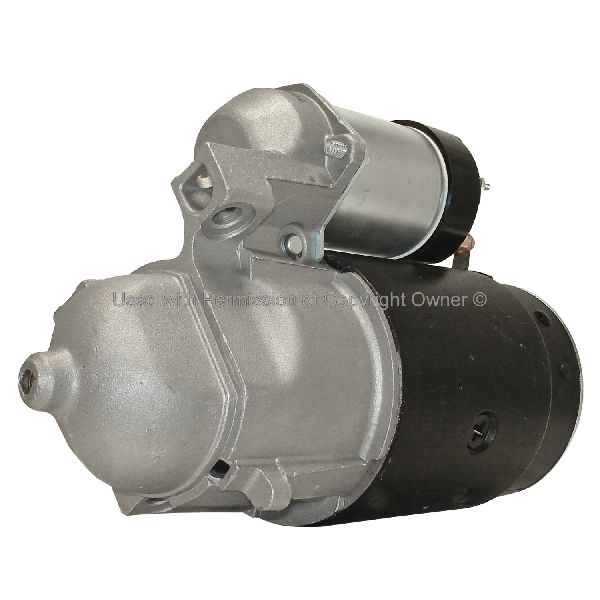
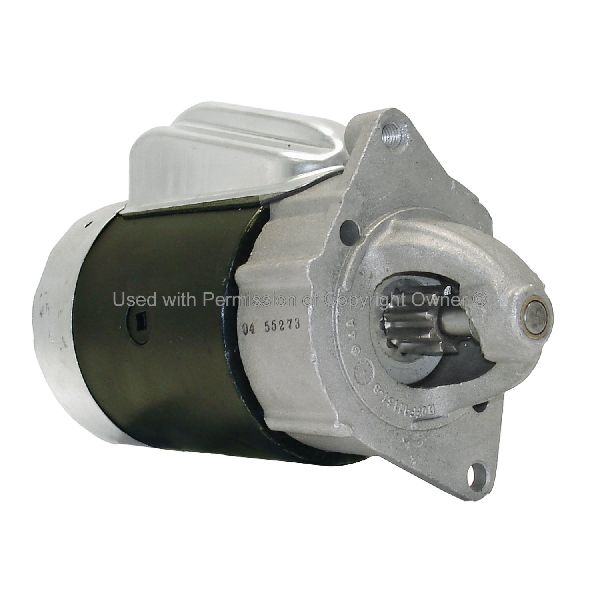
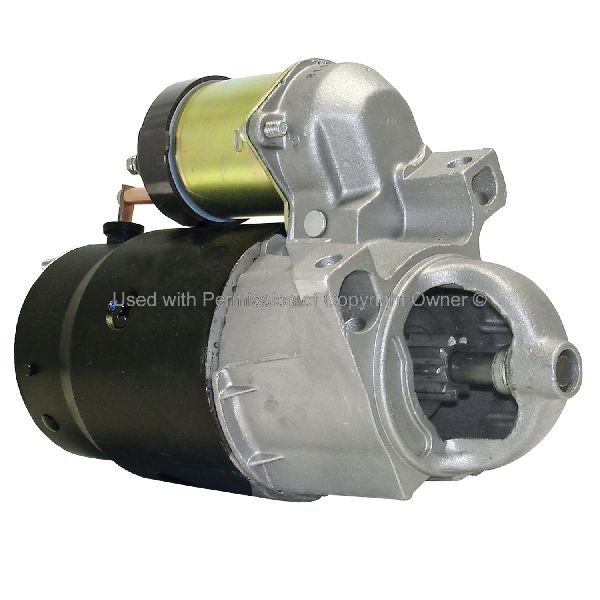
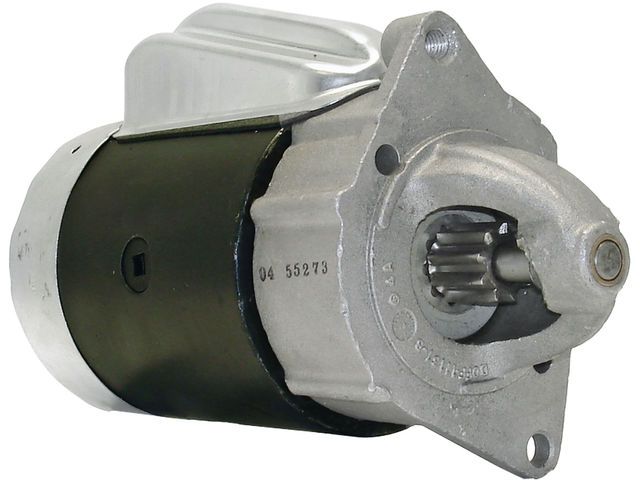
Fits AMC 232/258 c.i.d. Straight-6 engines used in 1971-1975 models. Uses a 12-volt, high-torque electric motor with a Bendix-style drive gear.
We Have This Part in Stock

The information in this article is provided for general reference and educational purposes only. Vehicle specifications, procedures, and part compatibility can vary by production date, trim level, and region. Always consult your vehicle's factory service manual and verify part numbers before purchasing or performing repairs. Safety-critical components such as airbags, seat belts, and braking systems should be installed by a qualified professional.