

Choosing the Right Starter Motor for Your 1971-1975 Jeep CJ6
If your classic CJ6 won't turn over, the starter is a likely suspect—here's how to choose the right replacement.
- Always check your battery and cable connections first; they can mimic starter failure.
- Heat soak is a very common issue on CJ models, especially with V8s; a high-torque mini-starter is the best fix.
- For stock replacements, Crown Automotive and Omix-Ada are reliable, well-regarded brands in the Jeep community.
- Replacing the starter is a simple, DIY-friendly job that can be done with basic tools in under two hours.
Is Your CJ6 Starter Failing? Common Symptoms
A failing starter motor rarely dies without warning. For a 1971-1975 Jeep CJ6, the signs are usually straightforward. Being stranded is no fun, so watch for these symptoms:
- Single Loud Click: You turn the key and hear one loud 'click' but the engine doesn't crank. This often points to a bad starter solenoid, which is part of the starter assembly.
- No Sound at All: If there's no click and no crank, the starter motor may have completely failed.
- Slow, Labored Cranking: If the engine turns over very slowly, like the battery is weak, it could be a sign that the starter is worn out and drawing too much power.
- Grinding Noise: A harsh grinding sound during startup can mean the starter's gear is not engaging properly with the flywheel, or it's already damaged.
- Engine Starts After a Cool-Down: If the Jeep starts fine when cold but won't crank when hot, you are likely experiencing 'heat soak'.
Pro Tip: Check the Basics First
Before you buy a new starter, make sure your battery is fully charged and the terminals are clean and tight. Also, inspect the thick battery cables running to the starter and the engine block for corrosion or looseness. A bad connection can mimic the symptoms of a failed starter and is a much cheaper fix.
A Word on OEM vs. Aftermarket for a Classic Jeep
For a vehicle built in the early 1970s, finding a brand new original equipment manufacturer (OEM) starter is practically impossible. The market consists almost entirely of new aftermarket parts and remanufactured units. For the CJ6, many aftermarket brands offer quality that meets or even exceeds the original 1970s specifications, especially when it comes to solving common issues like heat soak.
Choosing the Right Aftermarket Starter Brand
Not all aftermarket parts are created equal. They generally fall into three tiers for your CJ6.
Premium / High-Torque Brands ($150 - $224)
Brands: Powermaster, MSD
These starters are a significant upgrade over stock. They are smaller, lighter, and provide much more cranking power (torque). This makes them an excellent choice if you have a modified engine (higher compression) or if you experience hot-start problems (heat soak). Brands like Powermaster are frequently recommended on Jeep forums as a permanent solution to heat-related starting issues.
Standard Replacement Brands ($90 - $160)
Brands: Crown Automotive, Omix-Ada, ACDelco
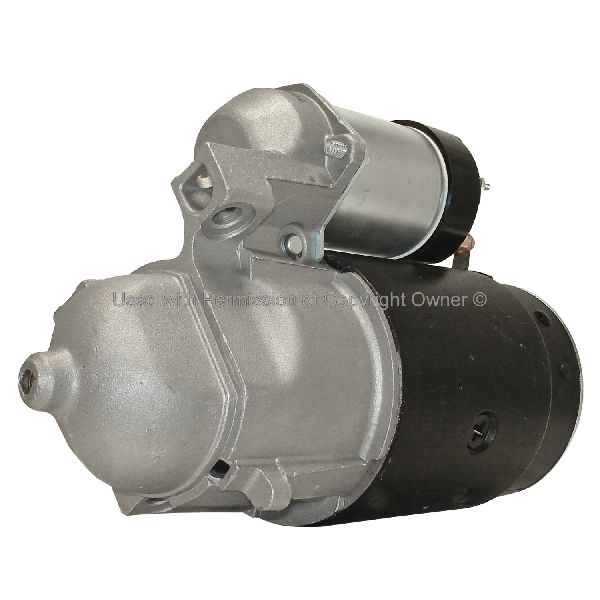
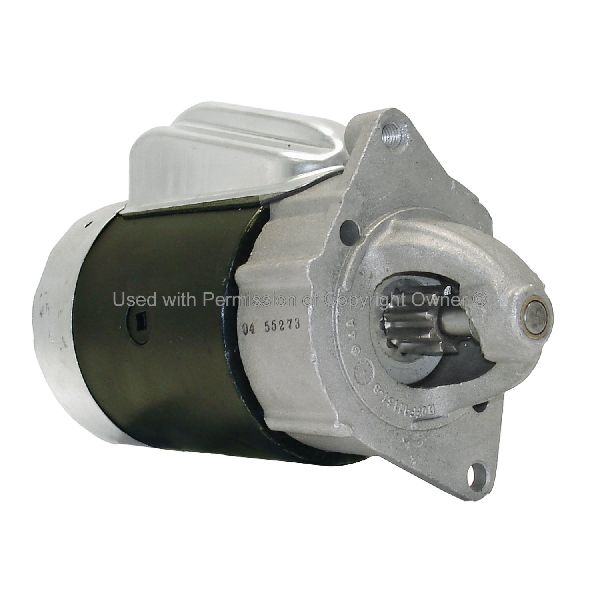
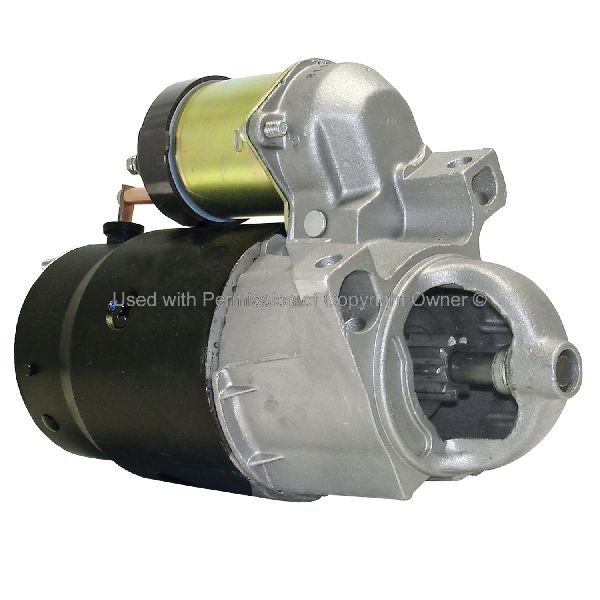
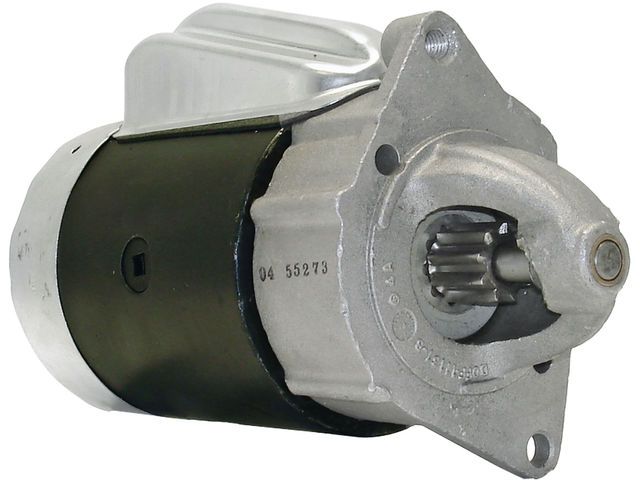
These brands are the workhorses of the Jeep restoration world. Crown and Omix specialize in Jeep parts and are known for providing reliable, OEM-style replacements that fit correctly. For a stock or lightly modified CJ6, these starters offer a great balance of quality and price. Forum discussions often show owners having good success with both brands for many years.
Economy Brands ($72 - $110)
Brands: MPA (and other private-label store brands)
These are typically remanufactured units or basic new parts designed to get you back on the road for the lowest cost. While functional, their long-term durability may not match that of the standard or premium brands. They can be a good choice for a limited-use vehicle or if budget is the primary concern.
Known Issue: Starter Heat Soak
If your CJ6 (especially with a V8 engine) cranks slowly or not at all after the engine is hot, you're likely dealing with starter heat soak. The heat from the exhaust manifold radiates to the starter, increasing its electrical resistance to the point where it can't draw enough power to crank the engine. The best solution is to replace the old, large starter with a modern, high-torque mini-starter from a brand like Powermaster, which is less affected by heat. Alternatively, a starter heat shield blanket can be wrapped around the existing starter to protect it.
| Part Tier | Price Range | Best For |
|---|---|---|
| Premium / High-Torque | $150 - $224 | Modified engines, solving heat soak, maximum reliability |
| Standard Replacement | $90 - $160 | Stock vehicles, daily drivers, reliable OEM-style performance |
| Economy | $72 - $110 | Budget-conscious repairs, limited-use vehicles |
Frequently Asked Questions
Do I really need a high-torque starter?
If your Jeep is stock and you don't have hot-start problems, a standard replacement from Crown or Omix-Ada is perfectly fine. However, if you experience heat soak or have a higher-compression engine, a high-torque starter is a worthwhile upgrade that solves a common CJ frustration.
Can I replace the starter myself?
Yes, this is a very DIY-friendly job on a CJ6. Access is generally good from underneath the vehicle. The job requires basic hand tools, and the starter is typically held on by just two bolts and the electrical connections.
What does the 'clicking' sound mean?
A single, loud click is usually the starter's solenoid engaging but the motor failing to turn. This points to a bad starter or a very poor electrical connection. A series of rapid clicks almost always means your battery is too weak to crank the engine.
Should I choose Crown or Omix-Ada?
Both are reputable suppliers of Jeep parts and you are likely to be satisfied with either for a standard replacement. Some forum users have a slight preference for Crown, but both are considered reliable choices for keeping your CJ6 on the road.
Technical Specifications
Look for compatibility with your specific engine (I6 or V8). High-torque and gear-reduction starters (often with a 4.4:1 ratio) are available as upgrades to improve cranking power and combat heat soak.
We Have This Part in Stock

The information in this article is provided for general reference and educational purposes only. Vehicle specifications, procedures, and part compatibility can vary by production date, trim level, and region. Always consult your vehicle's factory service manual and verify part numbers before purchasing or performing repairs. Safety-critical components such as airbags, seat belts, and braking systems should be installed by a qualified professional.