

Mazda RX-2 A/C Compressor Replacement and Information (1971-1974)
Keeping your classic RX-2 cool involves understanding its unique A/C system when replacing the compressor.
- An aftermarket compressor is the only viable option; original Mazda parts are not available.
- You MUST convert the system to R-134a refrigerant, which requires replacing the receiver/drier and flushing the system.
- To prevent immediate failure of the new part, always replace the receiver/drier and expansion valve at the same time as the compressor.
- Professional installation is strongly recommended due to the need for specialized equipment to evacuate and recharge the system correctly.
Signs of a Failing A/C Compressor in Your RX-2
When the A/C compressor in your 1971-1974 Mazda RX-2 starts to fail, you'll notice some clear warning signs. Recognizing them early can help you address the problem before it causes more issues. Common symptoms include:
- Warm Air From Vents: The most obvious sign is when the A/C system blows air that is lukewarm or hot instead of cold. This often happens when the compressor can't properly pressurize the refrigerant.
- Unusual Noises: A failing compressor might make grinding or squealing noises when the A/C is turned on. This can indicate internal bearing failure or a problem with the compressor clutch.
- Fluid Leaks: You might see oily, greenish residue around the compressor or on components underneath it. This is a sign of a refrigerant leak from the compressor seals or body.
- Stuck Compressor Clutch: The clutch on the front of the compressor engages to turn it on. If this clutch is seized, the compressor won't turn on at all. If it's stuck in the 'on' position, it runs constantly. If it fails to engage, you won't get cold air.
Choosing a New Aftermarket Compressor
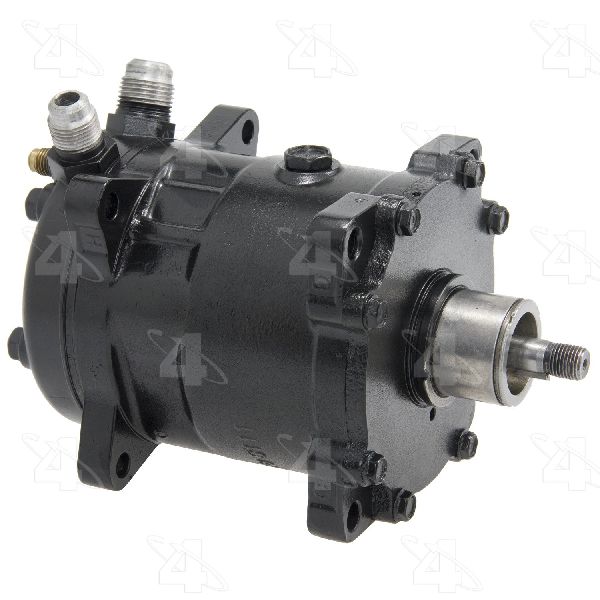
Finding a brand-new original equipment (OEM) A/C compressor for a vehicle from the early 1970s is nearly impossible. For RX-2 owners, the only practical solution is a new aftermarket compressor. These parts are designed to fit and function like the original but are made by companies other than Mazda.
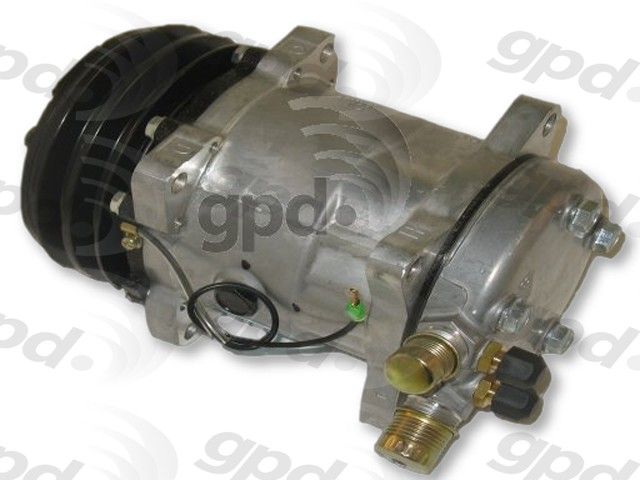
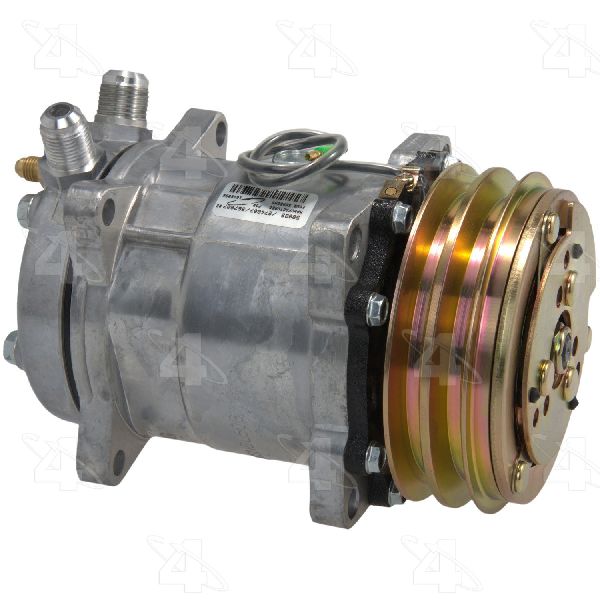
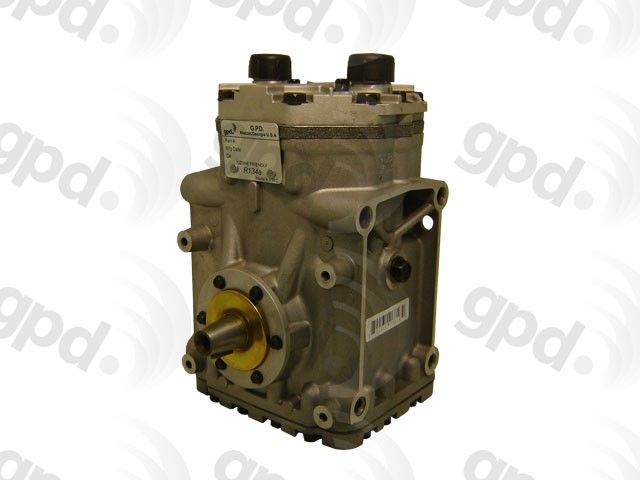
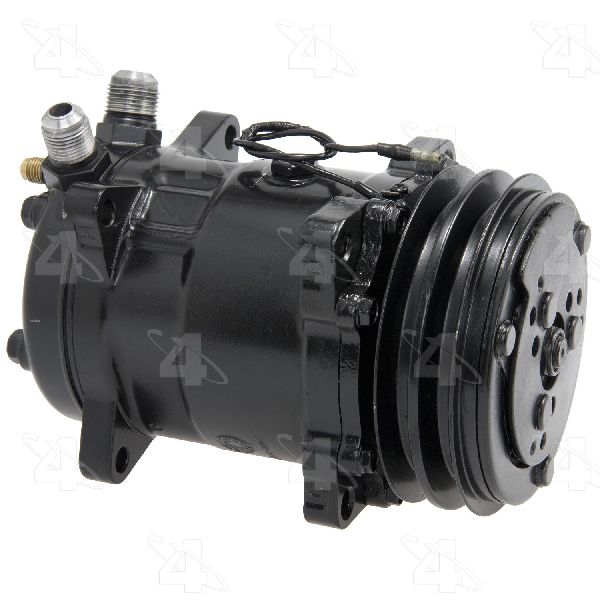
The available brands, like Four Seasons and Global Parts (GPD), specialize in aftermarket climate control components. Many aftermarket compressors for this vehicle are based on the common Sanden SD508 model, a reliable and widely used design.
Aftermarket Brand Overview
| Brand | Typical Quality & Reputation |
|---|---|
| Four Seasons | A well-known and established brand in the aftermarket A/C world, often considered a reliable choice for replacement parts. They offer both new and remanufactured parts, though new is always recommended for compressors. |
| Global Parts Distributors (GPD) | Another major supplier of aftermarket A/C components. GPD offers a wide catalog and is generally seen as a solid option for fit and function. |
Important: R-12 to R-134a Conversion
Your RX-2's original A/C system used R-12 refrigerant, which is no longer available to the public. Any new compressor you install will be part of a system running on modern R-134a refrigerant. This conversion is mandatory. It requires not only the new compressor but also flushing the old mineral oil from the system, replacing the receiver/drier, and using new, compatible O-rings and Ester or PAG oil. You must also have retrofit adapter fittings installed on the service ports.
Cost of Replacing Your RX-2 A/C Compressor
The total cost will depend on the price of the parts and the cost of shop labor. A/C work requires specialized equipment to properly evacuate and recharge the system, so professional installation is highly recommended.
Estimated Costs (2026)
| Component / Service | Estimated Cost |
|---|---|
| New Aftermarket A/C Compressor | $130 - $400 |
| Shop Labor & System Recharge | $250 - $450 |
| Total Estimated Cost | $380 - $850 |
Pro Tip: Replace More Than Just the Compressor
When a compressor fails, it can send metal debris throughout the A/C system. To ensure your new compressor lasts, it is critical to also replace the A/C Receiver/Drier (or accumulator) and the expansion valve. You must also have a professional thoroughly flush the entire system to remove any contaminants before installing the new parts. Skipping this step is the number one cause of repeat compressor failure.
Frequently Asked Questions (FAQ)
Do I have to convert to R-134a refrigerant?
Yes, you must. The original R-12 refrigerant was phased out in the mid-1990s due to environmental concerns and is no longer produced or sold to the public. All modern replacement compressors and components are designed to work with R-134a or newer refrigerants.
What else should I buy with my new compressor?
At a minimum, you must also purchase a new receiver/drier and expansion valve. It is also wise to get a full set of A/C system O-rings compatible with R-134a. Many suppliers offer kits that include some or all of these necessary components.
Can I install the new compressor myself?
While physically bolting on the compressor is possible for a skilled DIY mechanic, the complete job requires specialized tools. This includes a vacuum pump to remove all moisture from the system and a manifold gauge set to charge it with the correct amount of refrigerant. Improper charging can lead to poor performance or damage the new compressor. For these reasons, professional installation is strongly recommended.
Why can't I find an original Mazda compressor?
Automakers typically only produce replacement parts for a limited time, usually around 10 years. For a vehicle built in the early 1970s, the original supply of OEM parts was exhausted decades ago. Aftermarket manufacturers fill this gap by producing new parts for classic vehicles.
Technical Specifications
Most aftermarket compressors for the 1971-1974 RX-2 are based on the Sanden SD508 model. Key features to verify are a V-belt pulley (typically around 5.25 inches in diameter) and the correct mounting configuration for the RX-2's engine bracket. These compressors are designed for use with R-134a compatible oils (PAG or Ester).
We Have This Part in Stock

The information in this article is provided for general reference and educational purposes only. Vehicle specifications, procedures, and part compatibility can vary by production date, trim level, and region. Always consult your vehicle's factory service manual and verify part numbers before purchasing or performing repairs. Safety-critical components such as airbags, seat belts, and braking systems should be installed by a qualified professional.