

Engine Coolant Bypass Hose Guide for 1971-1974 Dodge B200 Van
Prevent overheating in your classic Dodge van by understanding this small but critical cooling system hose.
- Failure of this hose is due to age; inspect it for cracks, swelling, and leaks regularly.
- Always use a molded hose from a quality brand like Gates, Dayco, or ACDelco for a proper, kink-free fit.
- Replace the hose clamps at the same time as the hose to ensure a leak-proof seal.
- A leak from this hose can cause rapid overheating; do not drive if you suspect a significant leak.
Signs of a Failing Coolant Bypass Hose
On a classic van like the 1971-1974 Dodge B200, rubber parts fail from age, heat, and exposure to oil. The bypass hose is no exception. Because it's small and often tucked away, it can be easy to overlook, but a failure can cause serious problems. Watch for these symptoms:
- Coolant Leaks: You might see drips or puddles of green or yellow coolant under the engine. Because of the hose's location, the leak may appear near the front of the engine, often around the water pump or thermostat housing.
- Visible Damage: Inspect the hose for cracks, splits, or hardening. A hose that feels brittle, mushy, or looks swollen is ready to fail. Oil leaks from valve covers can drip onto the hose, causing it to soften and degrade quickly.
- Sweet Smell: The distinct, sweet smell of antifreeze is a sure sign of a leak somewhere in the cooling system.
- Engine Overheating: If the hose bursts, it will cause a rapid loss of coolant, leading to engine overheating. This can cause severe damage like warped cylinder heads.
CRITICAL: Address Leaks Immediately
Never ignore a coolant leak, no matter how small. A slow drip can become a catastrophic failure without warning, leaving you stranded and facing expensive engine repairs.
Choosing the Right Aftermarket Bypass Hose
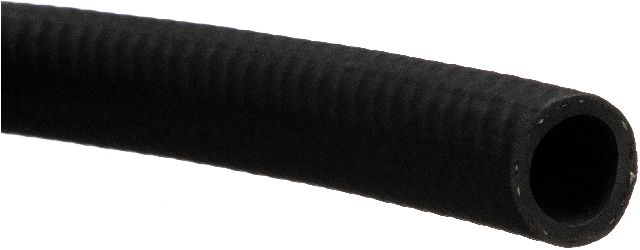
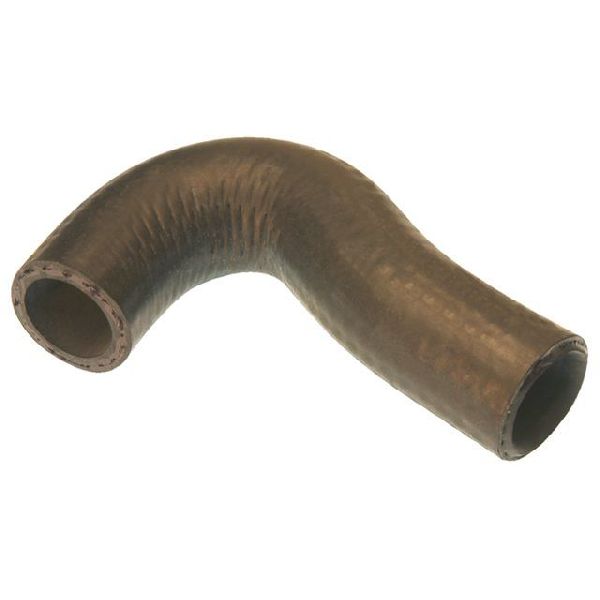
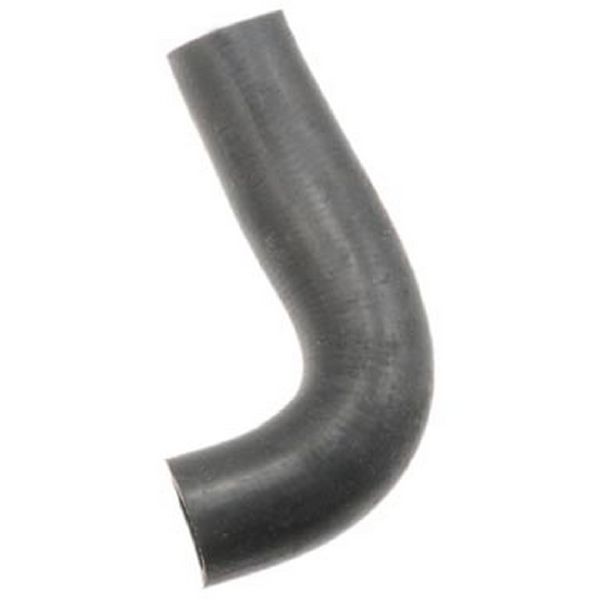
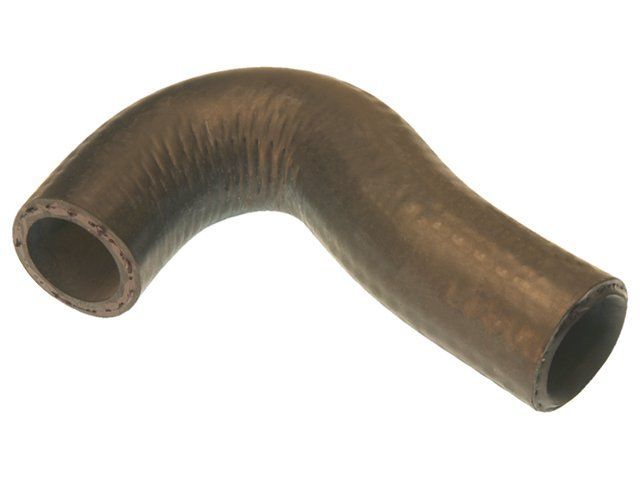
For a vehicle of this age, new Original Equipment (OEM) parts are generally not available. The aftermarket is your primary source. The most important factor is getting a molded hose designed for your specific van and engine (likely a 318 or 360 V8). Do not use a straight piece of universal hose, as it can kink and restrict flow.
Here’s a look at the available brands:
- Gates: Often considered a top-tier aftermarket brand for hoses and belts. Forum users frequently recommend Gates for good fitment and quality materials.
- Dayco: A strong competitor to Gates, also known for making quality hoses. Some mechanics note that fitment can vary between the two, so comparing the new hose's shape to the old one is a good practice.
- ACDelco: A well-respected general aftermarket parts supplier. While often associated with GM vehicles, they offer parts for many makes. Their hoses are generally considered good quality.
Pro Tip: For a simple but critical part like a bypass hose on a classic vehicle, any of these three brands will provide a reliable replacement. The key is ensuring you have the correct molded shape for a perfect, kink-free fit.
Estimated Replacement Costs
Replacing the bypass hose is an affordable job, especially if you do it yourself. The part is inexpensive, and labor is minimal compared to more complex repairs.
| Part/Service | Estimated Cost |
|---|---|
| New Aftermarket Hose | $20.08 - $81.22 |
| Shop Labor | $60 - $120 |
| Total Estimated Cost | $80 - $201 |
Frequently Asked Questions (FAQ)
What other parts should I replace with the bypass hose?
It is highly recommended to replace the hose clamps whenever you replace a hose. Old clamps can lose tension and cause leaks. This is also a perfect time to inspect all other coolant hoses, including the main upper and lower radiator hoses and the heater hoses. If they show any signs of age, replace them all at once to save time and prevent future breakdowns. Consider replacing the thermostat as well, as it is located nearby and is an inexpensive part.
Is this a difficult job to do myself?
No, this is a very DIY-friendly job for someone with basic tools. The process involves partially draining the coolant, removing the old clamps and hose, fitting the new hose, and then topping off and bleeding the cooling system. Access on these older vans is generally good once the engine cover (doghouse) is removed.
Are there any recalls for this part?
No, searches of the National Highway Traffic Safety Administration (NHTSA) database show no recalls or Technical Service Bulletins (TSBs) for the engine coolant bypass hose on the 1971-1974 Dodge B200 Van. Any failures today are due to the age of the rubber components.
What kind of coolant should I use?
For a classic vehicle from this era, a conventional IAT (Inorganic Additive Technology) coolant, which is typically green, is the standard recommendation. Always mix it with distilled water to a 50/50 ratio unless you purchase a pre-mixed formula.
Technical Specifications
The most critical specification is that the hose must be molded specifically for the 1971-1974 Dodge B200 Van with your specific engine (e.g., 5.2L/318ci or 5.9L/360ci V8). The material should be a modern, durable EPDM rubber compound.
We Have This Part in Stock

The information in this article is provided for general reference and educational purposes only. Vehicle specifications, procedures, and part compatibility can vary by production date, trim level, and region. Always consult your vehicle's factory service manual and verify part numbers before purchasing or performing repairs. Safety-critical components such as airbags, seat belts, and braking systems should be installed by a qualified professional.