

Choosing the Right Alternator for Your 1971-1974 Dodge B200 Van
Solve your classic Dodge Van's charging problems by understanding its unique electrical system.
- Your van has an external voltage regulator which is a common point of failure and should be tested or replaced with the alternator.
- Before replacing parts, check for bad wiring, poor ground connections, and issues with the dash ammeter circuit.
- Choose a standard replacement alternator (ACDelco, Remy) for a stock van or a high-output unit (Powermaster) if you have added electrical accessories.
- Ensure any new alternator is specifically for a Chrysler/Dodge vehicle with an external regulator system.
Is Your Alternator Failing?
The charging system on a classic Dodge van is straightforward, but a few key quirks can make diagnosis tricky. If your alternator is on its way out, you'll likely notice some classic symptoms.
- Dim or Flickering Lights: Headlights and interior lights may dim, especially at idle, and brighten as you rev the engine.
- Slow Engine Crank: A battery that isn't being properly recharged will struggle to turn the engine over.
- Whining or Grinding Noises: Bad bearings inside the alternator can produce a distinct whining or grinding sound that changes with engine speed.
- Ammeter Gauge Issues: The factory ammeter gauge on the dashboard may show a constant discharge or behave erratically. In some cases, a faulty ammeter itself can interrupt the charging circuit.
- Dead Battery: The most obvious symptom. The alternator's primary job is to keep the battery charged; if it fails, the battery will quickly drain, leaving you stranded.
The External Voltage Regulator is Key
Your 1971-1974 B200 Van uses an external voltage regulator. This is a small box, usually mounted on the firewall, that controls the alternator's charging voltage. These mechanical regulators are a common failure point due to age. Many charging problems are caused by a faulty regulator, not the alternator itself. It is highly recommended to test or replace your voltage regulator when you replace your alternator. They are inexpensive and crucial for a reliable charging system.
Choosing the Right Aftermarket Alternator
Since new original Mopar parts for this van are long gone, the aftermarket is your only option. The good news is that quality replacements are readily available. Your choice depends on how you use your van.
Tier 1: Standard Replacement Alternators
If you use your B200 for standard hauling and cruising without a lot of extra electrical gear, a standard replacement alternator is a perfect fit. These are designed to meet or exceed the original factory specifications and are the most budget-friendly option.
- Brands: ACDelco, BBB Industries, MPA, Remy
- Best For: Owners seeking a reliable, stock-style replacement for a daily driver or work van.
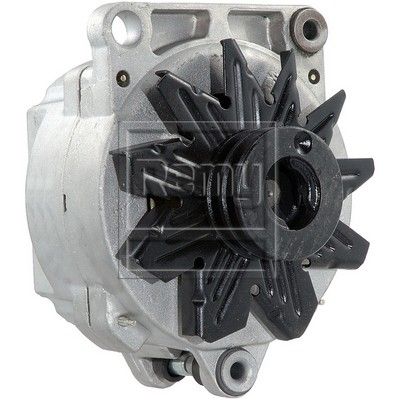
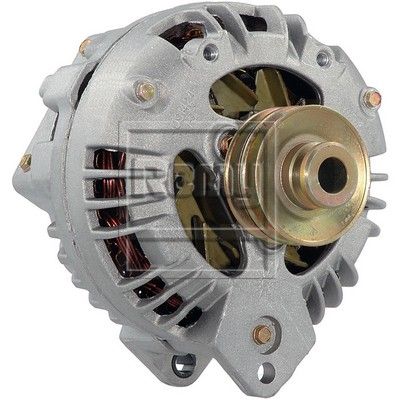
- Quality: Brands like ACDelco and Remy have a long history of producing reliable electrical components. They offer a dependable solution that fits correctly and works with your van's external voltage regulator.
Tier 2: High-Output Alternators
If you've converted your B200 into a camper, or added accessories like a powerful stereo, extra lighting, or electric cooling fans, you should consider a high-output alternator. These units produce more amperage to handle the increased electrical load, preventing dimming lights and keeping your battery fully charged.
- Brands: Powermaster, Proform
- Best For: Camper conversions, custom vans, or any B200 with significant electrical upgrades.
- Quality: Powermaster and Proform specialize in performance and heavy-duty electrical parts. A high-output alternator provides peace of mind that your system can handle the demand, especially at idle when standard alternators produce less power.
Pro Tip: Check Your Wiring
Before installing a new alternator, inspect your van's wiring. The wires connecting the alternator and regulator can become brittle and cracked after 50+ years. A poor ground connection or a faulty wire in the charging circuit can prevent even a brand-new alternator from working correctly. Also, check the connections at the dashboard ammeter, as corrosion or a loose wire there can stop the system from charging.
Cost of a New Aftermarket Alternator (1971-1974 Dodge B200 Van)
| Category | Estimated Cost |
|---|---|
| New Aftermarket Alternator | $84 - $292 |
| External Voltage Regulator | $20 - $75 |
| Shop Labor for Installation | $100 - $200 |
| Total Estimated Cost | $204 - $567 |
Cost estimates are approximate and can vary based on location, brand, and vehicle condition.
Frequently Asked Questions
Do I need to replace the voltage regulator with the alternator?
It is highly recommended. The external voltage regulator is a common failure point on these vans and is inexpensive to replace. A faulty regulator can damage a new alternator or simply prevent it from charging, leading you to believe the new alternator is bad.
Is the voltage regulator internal or external on a 1971-1974 B200?
It is external. You must use an alternator designed to work with an external regulator. Do not attempt to install an alternator with a built-in internal regulator, as it is not compatible with your van's wiring.
My new alternator isn't charging the battery. What's wrong?
First, check that you purchased the correct alternator for a vehicle with an external regulator. If the part is correct, the most likely culprits are a bad voltage regulator, a poor ground connection, damaged wiring between the alternator and regulator, or an issue with the ammeter circuit in the dash.
Do I need a high-output alternator?
You only need a high-output alternator if you have added significant electrical accessories. This includes things like large stereo systems, extra interior or exterior lights, refrigerators, or electric fans. For a stock van, a standard replacement is sufficient.
Technical Specifications
System requires an alternator compatible with an external, mechanical-style voltage regulator. Amperage needs vary by application (stock vs. modified).
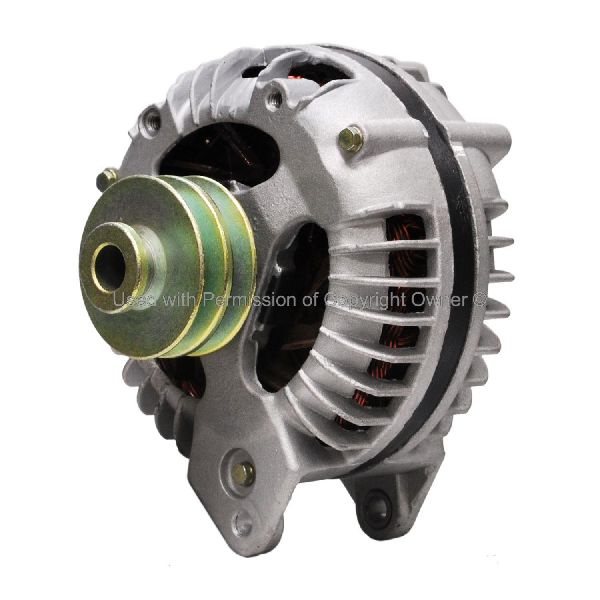
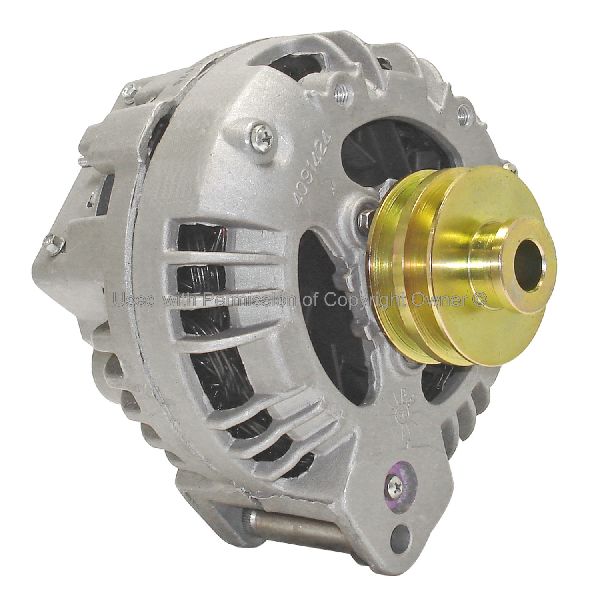
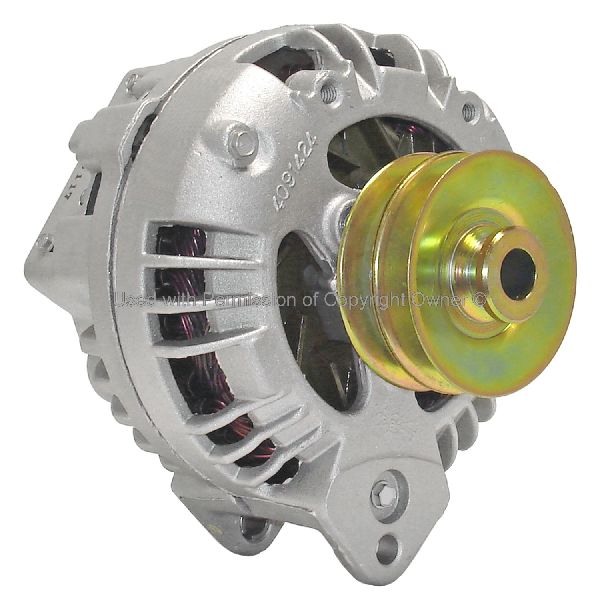
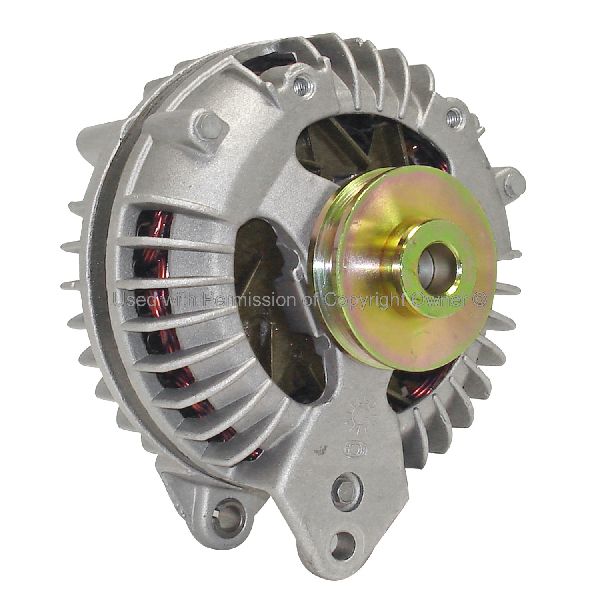
We Have This Part in Stock

The information in this article is provided for general reference and educational purposes only. Vehicle specifications, procedures, and part compatibility can vary by production date, trim level, and region. Always consult your vehicle's factory service manual and verify part numbers before purchasing or performing repairs. Safety-critical components such as airbags, seat belts, and braking systems should be installed by a qualified professional.