

Accessory Drive Belt Guide for the 1970-1982 Checker Marathon
Keep your classic Checker running smoothly by understanding its essential drive belts.
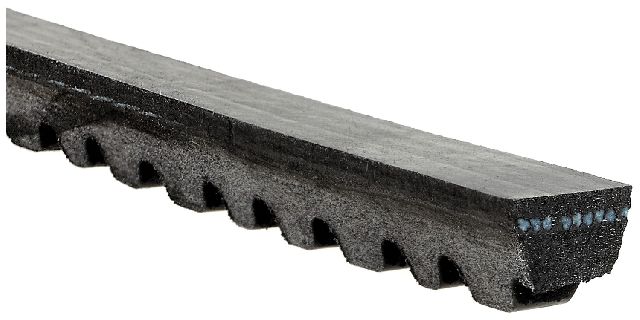
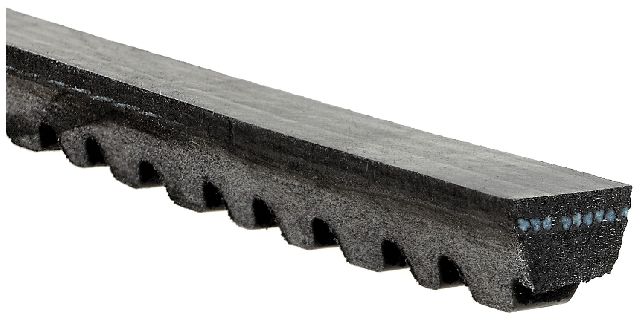
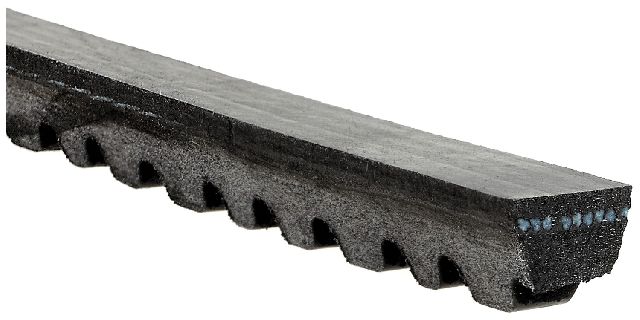
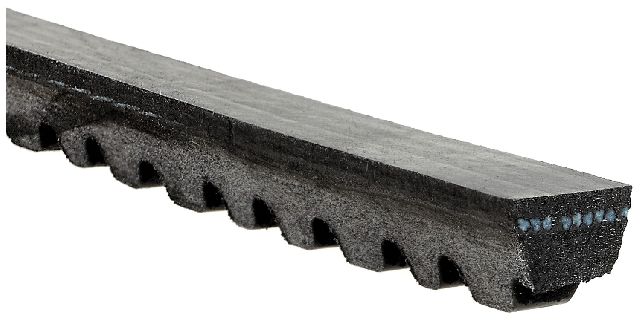
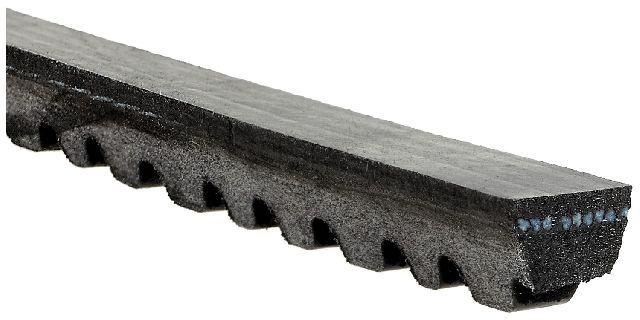
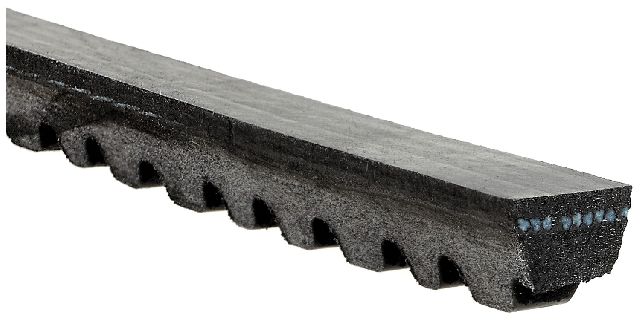
- Your Checker uses multiple V-belts, not a single serpentine belt; inspect them all.
- Squealing is a clear warning sign of a slipping belt that needs immediate attention.
- High-quality aftermarket brands like Gates, Dayco, and Continental are the standard, reliable choice for these vehicles.
- You must know your specific engine (I6 or V8) and accessories (A/C, P/S) to buy the correct belts.
Signs of a Failing Accessory Drive Belt
Your Checker is a tough, simple machine, and it often gives clear warnings when a belt is about to fail. The most common symptom is a loud squealing noise, especially when you start the engine or accelerate. This noise is caused by the belt slipping on its pulley, which can be due to wear, improper tension, or contamination. You should also visually inspect the belts regularly. Look for cracks, fraying, missing chunks, or a shiny, glazed appearance on the belt's surface. Any of these signs mean it's time for a replacement.
Don't Ignore the Squeal
A squealing belt is more than just an annoying noise. It's a direct sign that the belt is slipping and not effectively powering its component. This can lead to an undercharged battery, engine overheating, or a sudden loss of power steering.
Choosing the Right Aftermarket Belt
For a vehicle like the 1970-1982 Checker Marathon, finding original equipment (OEM) belts is nearly impossible. Fortunately, the aftermarket offers excellent, high-quality replacements. Since Checkers of this era used common Chevrolet engines, a wide variety of belts are available. Brands like Gates, Dayco, and Continental are all reputable manufacturers that produce durable V-belts that meet or exceed the original specifications. There is no single "best" brand among these three for your Checker; all are considered top-tier choices by mechanics. The most important factor is ensuring you buy the correct set of belts for your specific engine (e.g., 250 I6, 305 V8, 350 V8) and accessory package (with or without A/C, with or without power steering). Always check the part number and specifications to match your vehicle's setup.
Pro Tip: Replace Belts in Sets
Your Marathon has multiple V-belts. If one belt is old and cracked, the others are likely in similar condition. It's good practice to replace all the accessory drive belts at the same time to ensure reliability and prevent another repair job down the road.
Accessory Drive Belt Cost for Checker Marathon
| Category | Estimated Cost |
|---|---|
| New Aftermarket Belts (per belt) | $2.60 - $39.59 |
| Shop Labor for Replacement (all belts) | $75 - $150 |
Frequently Asked Questions
Why are there so many different belts listed for my year of Checker?
Checker used several different Chevrolet engines during this period, including inline-6 and various V8s (305, 350, etc.). Each engine, combined with different accessory options like air conditioning and power steering, requires a unique set of belts with specific lengths and widths. It is crucial to identify your engine and accessories to get the correct parts.
Is a squealing belt always a bad belt?
Not always, but it's always a warning. A squeal means the belt is slipping. This can be caused by a worn-out belt, but it can also be due to low tension, oil or coolant contamination, or a misaligned pulley. Even if the belt is new, the tension should be checked and adjusted if it's squealing.
How often should I replace my drive belts?
For a classic car like the Marathon, there isn't a strict mileage interval like on modern cars. Instead, replacement should be based on condition and age. Inspect the belts at every oil change for cracks, fraying, and proper tension. Due to age, rubber compounds degrade over time, so it's wise to replace belts that are more than 5-7 years old, regardless of mileage, to prevent being stranded.
Can I replace the belts myself?
Yes, for most owners with basic hand tools, this is a very feasible DIY job. The engines used in these Checkers have simple belt-tensioning systems. You'll typically loosen the alternator or power steering pump bolts, pivot the component to release tension, and swap the belt. Just remember the routing and to properly tension the new belt—not too tight, not too loose.
Technical Specifications
Checker Marathons from 1970-1982 use a multiple V-belt system. The correct belt length, width, and V-angle are dependent on the specific Chevrolet-sourced engine (e.g., 250ci I6, 305ci V8, 350ci V8) and the installed accessories (alternator, power steering, air conditioning).
We Have This Part in Stock

The information in this article is provided for general reference and educational purposes only. Vehicle specifications, procedures, and part compatibility can vary by production date, trim level, and region. Always consult your vehicle's factory service manual and verify part numbers before purchasing or performing repairs. Safety-critical components such as airbags, seat belts, and braking systems should be installed by a qualified professional.