

A Home Mechanic's Guide to Engine Mounts for the 1970-1975 Mercury Colony Park
Keep your classic wagon's big V8 engine secure and your ride smooth by diagnosing and replacing worn engine mounts.
- Watch for symptoms like clunking noises when shifting and excessive vibration at idle.
- For aftermarket parts, Pioneer is generally considered a better quality option than economy brands like Anchor or DEA.
- It is highly recommended to replace engine mounts in pairs to ensure even support and prevent premature failure of the new mount.
- No recalls were found for this part on your vehicle; failures are due to age and normal wear.
Is Your Engine Trying to Escape? Signs of a Bad Mount
A failing engine mount on your Colony Park will make its presence known. The big V8 engines in these cars produce a lot of vibration and torque, and when a mount goes bad, you'll feel it. The most common symptoms include a noticeable increase in vibration, especially at idle or when the car is first started. You might feel this vibration in the steering wheel or through the floor. Another clear sign is a loud clunking or thudding sound when you accelerate, decelerate, or shift from drive to reverse. This noise is the sound of the engine moving and hitting other components because the mount is no longer holding it securely. In severe cases, you can open the hood and physically see the engine move or sag to one side.
Warning: A Completely Failed Mount is Dangerous
If an engine mount fails completely, the engine can shift significantly. This can damage hoses, belts, and wiring. In extreme cases, severe engine movement can affect throttle linkage, potentially causing unintended acceleration, or damage the transmission. Do not ignore the symptoms of a bad engine mount.
Choosing the Right Aftermarket Engine Mount
For a vehicle from the early 1970s, finding original Ford "New Old Stock" (NOS) parts is nearly impossible. This means you will be shopping for new aftermarket parts. The quality and price can vary, so it's important to know the difference between the available brands.
- Good - Pioneer: In general discussions among classic car owners, Pioneer is often seen as a higher-quality standard replacement brand. Forum users have noted that Pioneer mounts can be hard to tell apart from original factory parts and offer a good fit. While not always perfect, they are frequently recommended as a step up from budget options.
- Economy - Anchor & DEA: Anchor and DEA are widely available and very affordable brands. However, their quality is a frequent topic of debate. Many mechanics and DIYers have used them without problems, while others report premature failure, poor fitment, and increased vibrations due to harder rubber compounds. These brands are often considered a budget-tier choice where you get what you pay for. Some sources suggest that Westar, DEA, and Anchor parts may even be the same components sold under different names.
Pro Tip: Replace in Pairs
Your Colony Park has two main engine mounts (left and right). If one has failed due to age and wear, the other is likely not far behind. It is always best practice to replace them as a pair to ensure even support and damping for your engine.
Cost to Replace Engine Mounts
| Part Type | Estimated Cost |
|---|---|
| New Aftermarket (Economy) | $8.15 - $15.00 |
| New Aftermarket (Premium) | $15.01 - $28.27 |
| Shop Labor | $150 - $250 |
Note: Costs are estimates and may vary based on your location and specific vehicle configuration. The price range for aftermarket parts is based on available inventory.
Frequently Asked Questions
How can I be sure my engine mounts are bad?
A simple and common test requires an assistant. With the parking brake set firmly and your foot on the brake pedal, have someone watch the engine under the hood. Shift the car from Park into Drive, and then into Reverse. If the engine lifts or jerks excessively (more than an inch or two) during the gear changes, it's a strong sign of a failed mount. You can also do a visual inspection, looking for cracked or torn rubber on the mounts themselves.
Can I replace the engine mounts on my Colony Park myself?
Yes, this is a job a home mechanic with some experience can do. The process involves supporting the engine from below with a floor jack and a block of wood, unbolting the mount from the frame and the engine block, lifting the engine just enough to remove the old mount, and installing the new one. Access on these large, rear-wheel-drive cars is generally good. However, you are working under a supported engine, so safety is critical.
Are there any recalls for 1970-1975 Colony Park engine mounts?
No. A search of the National Highway Traffic Safety Administration (NHTSA) database shows no recalls or technical service bulletins (TSBs) specifically for engine mounts on the 1970-1975 Mercury Colony Park. Any failures today are due to the age and wear of the original components.
Why do my new aftermarket mounts vibrate more than the old ones?
This is a common complaint with some economy-brand aftermarket mounts. It's often because the rubber compound used is harder than the original factory specification. While this makes the mount durable in some ways, it's less effective at absorbing engine vibrations, transmitting more of them into the car's frame and body. Sometimes this vibration lessens as the mounts break in, but other times it's a permanent trade-off for the lower cost.
Technical Specifications
OEM Part Numbers: C9AZ-6038-D C9AZ-6038-G D4SZ6038B D5AZ6038A
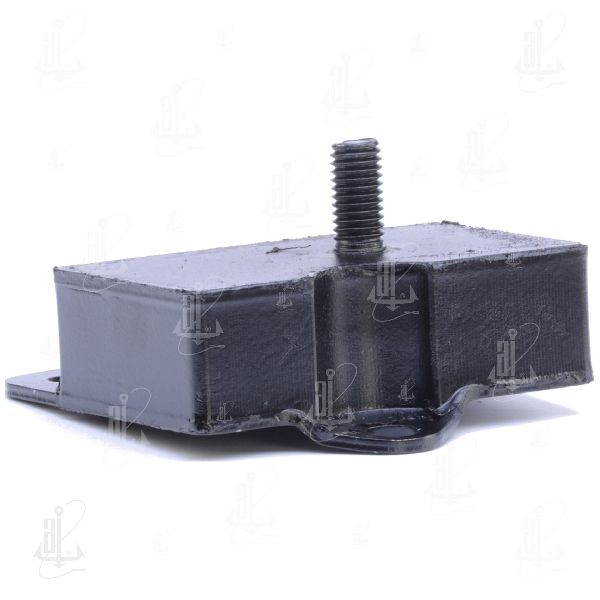
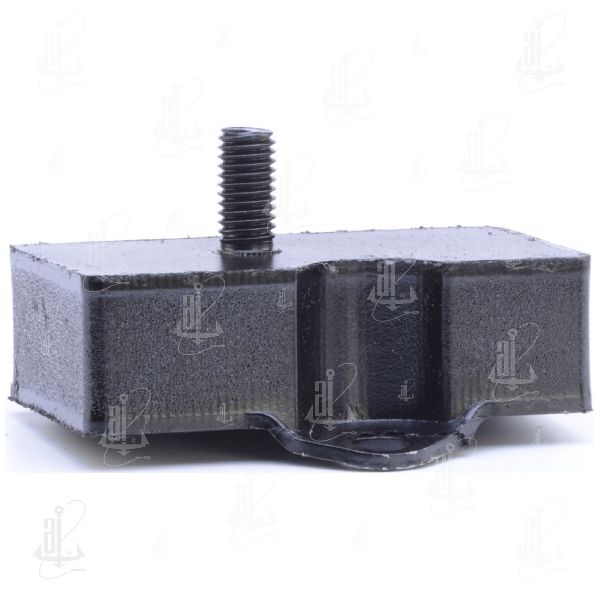
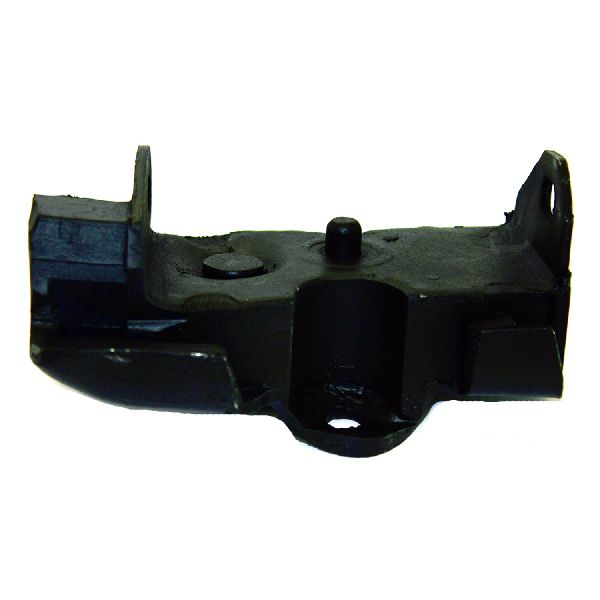
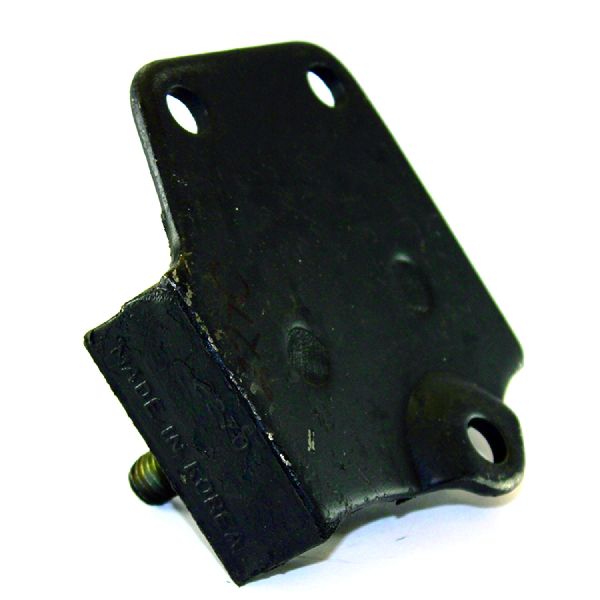
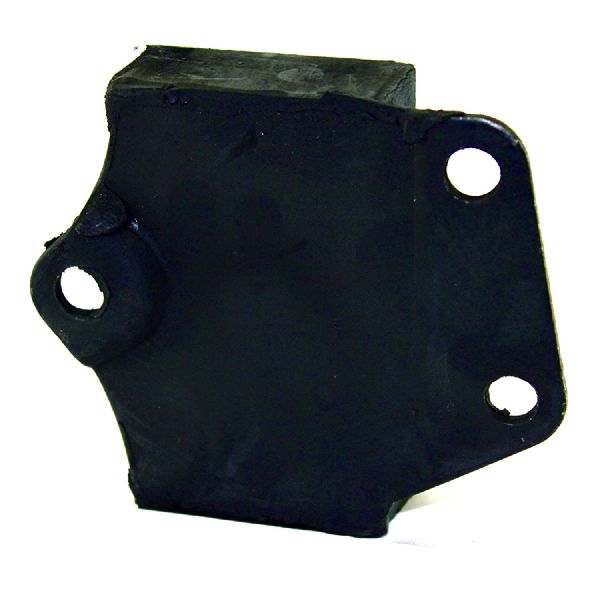
The 1970-1975 Mercury Colony Park uses a two-bolt or stud-style engine mount design, typical for full-size Ford and Mercury vehicles of this era. The mounts are specific to the left (driver) and right (passenger) sides. They are constructed of steel and bonded rubber to support the engine and dampen vibration. Part numbers can vary based on the specific V8 engine installed (e.g., 400, 429, 460 ci).
We Have This Part in Stock

The information in this article is provided for general reference and educational purposes only. Vehicle specifications, procedures, and part compatibility can vary by production date, trim level, and region. Always consult your vehicle's factory service manual and verify part numbers before purchasing or performing repairs. Safety-critical components such as airbags, seat belts, and braking systems should be installed by a qualified professional.