

Jeep J-4800 Universal Joint Guide: 1970-1973 Replacement Options
Address those clunks and vibrations by choosing the right U-joint for your classic J-Series truck.
- Clunking when shifting gears and vibrations at speed are the most common symptoms of a failing U-joint.
- Original OEM parts for this truck are not available; you will be choosing from aftermarket brands.
- Replacing U-joints is a DIY-possible job, but rust can make it difficult. Consider replacing all joints on a driveshaft at the same time.
- Choosing a greasable U-joint and maintaining it can extend the life of the part, which is important for a working truck.
Is Your J-4800's U-Joint Failing?
A worn-out U-joint gives you clear warning signs. Because this is a heavy-duty truck, you might feel these symptoms more strongly. Listen and feel for these problems while driving.
- Clunking or Banging Noise: A loud 'clunk' when you shift into Drive or Reverse is a classic sign of a bad U-joint. This is the sound of extra play or looseness in the joint.
- Vibration While Driving: You may feel a vibration throughout the truck, especially as you speed up. This happens because the worn joint throws the driveshaft out of balance.
- Squeaking Noise: A squeak that starts when you begin to move and changes with your speed often points to a U-joint that has lost its grease. The metal-on-metal friction of the dry bearings inside the joint causes this noise.
- Transmission Fluid Leak: In some cases, severe driveshaft vibration from a bad U-joint can damage the transmission output seal, causing a fluid leak.
Don't Ignore the Signs
If a U-joint fails completely, the driveshaft can disconnect from the axle or transmission. This will leave you stranded and can cause significant damage to other parts of your truck's underbody.
Choosing the Right Aftermarket U-Joint
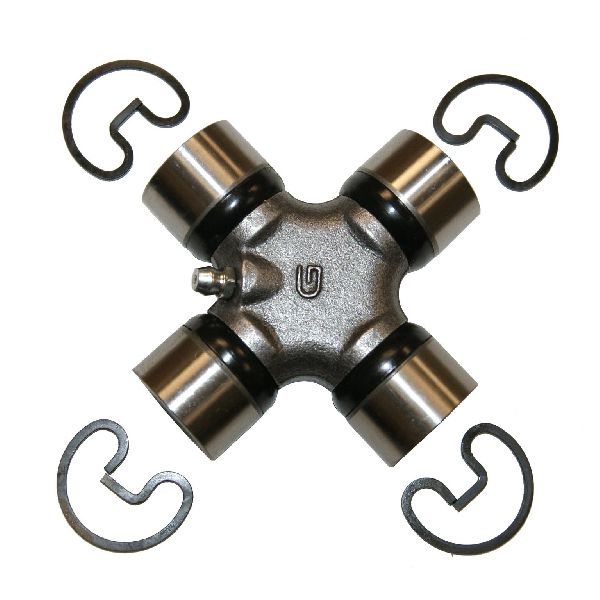
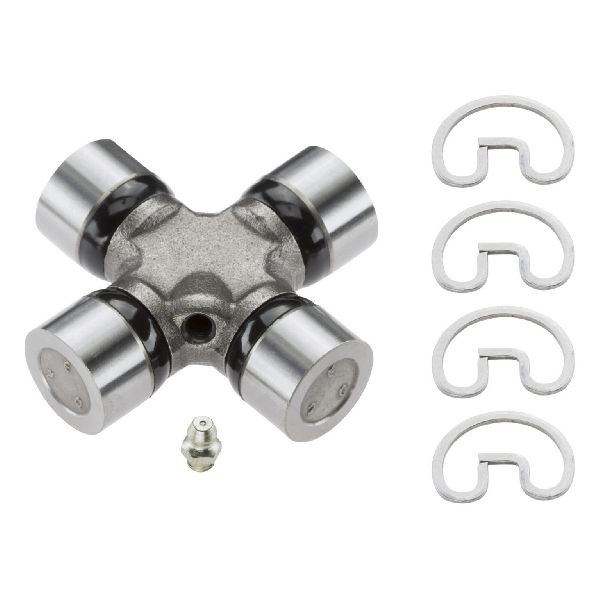
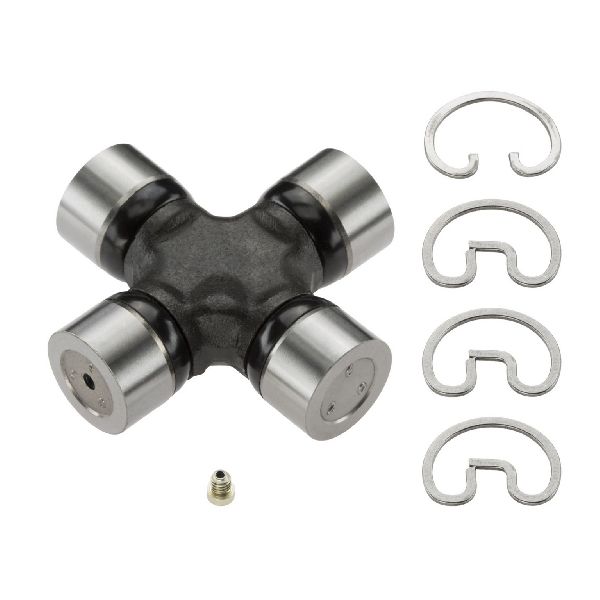
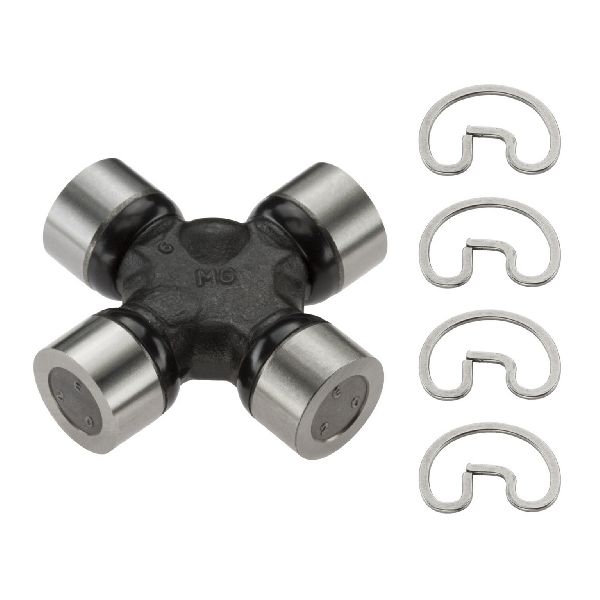
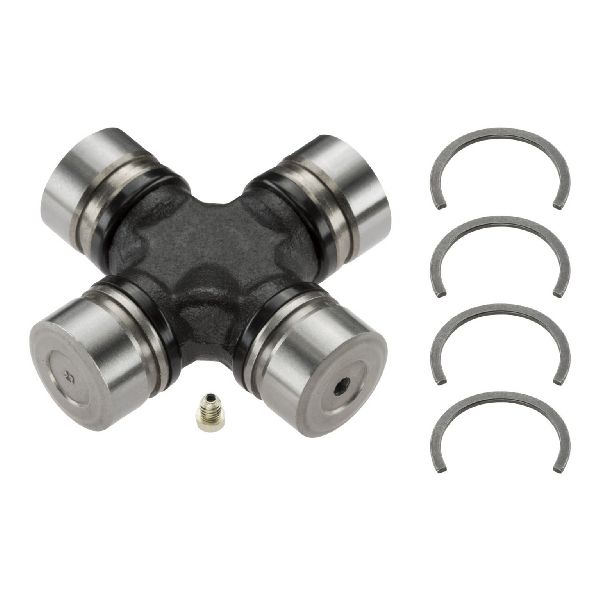
For a vehicle like the 1970-1973 J-4800, finding original factory (OEM) parts is nearly impossible. Aftermarket parts are your main option, and they come in different quality levels. The key difference you'll choose is between a greasable and a non-greasable (sealed) joint. Greasable joints have a fitting that lets you add new grease, which can extend their life if maintained. Sealed joints are maintenance-free but must be replaced when they wear out.
Brand Quality Tiers
Based on general reputation in the Jeep and truck communities, here is how the available brands generally stack up:
- Premium Quality (Moog, SKF): Moog and SKF are well-known brands that are often considered a step up in quality. Moog has a long history, though some users in forums mention that quality can be inconsistent recently. SKF is another trusted name in bearings and driveline parts. These brands are a solid choice for reliability.
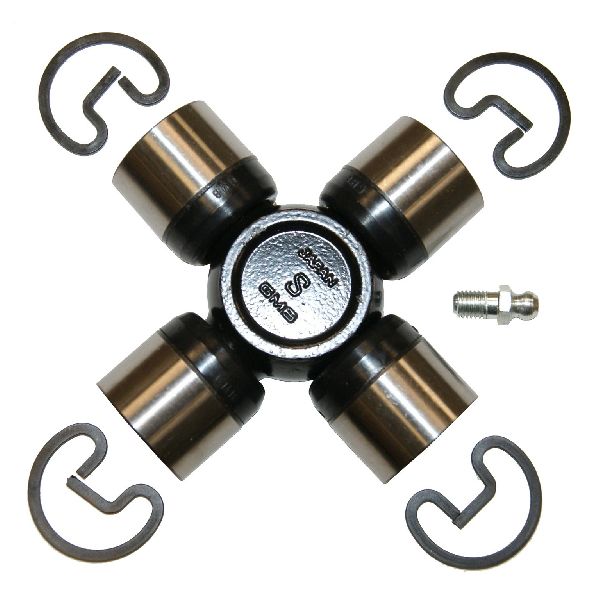
- Standard Quality (GMB): GMB offers parts that are often described as meeting original equipment standards. They are a reliable, middle-of-the-road option that provides good performance for a fair price, making them a popular choice for many repairs.
- Budget-Friendly (Omix-Ada): Omix-Ada specializes in Jeep parts and often provides affordable solutions. While some experienced mechanics prefer other brands for critical driveline parts, Omix-Ada can be a good choice if budget is your primary concern. They are often used for less-critical parts, but their U-joints will get your truck back on the road.
A Note on Spicer
While not in the listed inventory, Spicer is the brand many professional mechanics and Jeep enthusiasts consider the benchmark for U-joints due to their durability and OEM heritage. If you see them available, they are an excellent choice.
Expected Costs for U-Joint Replacement
| Part Type | Cost Range |
|---|---|
| New Aftermarket U-Joint | $18.53 - $39.08 |
| Shop Labor (per joint) | $95 - $180 |
| New OEM U-Joint | Not Available |
Frequently Asked Questions (FAQ)
How many U-joints does my J-4800 have?
Your 4WD J-4800 will have multiple U-joints. Typically, there are two on the rear driveshaft and two or three on the front driveshaft (depending on if it has a double-cardan joint). You will also have a U-joint on each front axle shaft for steering.
Should I replace all the U-joints at once?
If one U-joint has failed due to age and mileage, the others are likely near the end of their service life as well. It is good practice to replace all the U-joints on the same driveshaft at the same time. If you are paying for labor, this will also save you money in the long run.
Is there a recall on my Jeep's U-joints?
No, there are no specific recalls or technical service bulletins (TSBs) from the NHTSA for universal joints on the 1970-1973 Jeep J-4800.
Can I replace a U-joint myself?
Yes, this is a job that can be done at home, but it requires some mechanical skill. You will need tools to safely remove the driveshaft and a method to press or hammer out the old joint and install the new one, such as a bench vise, a ball joint press, or a hammer and sockets. It can be difficult if the old parts are rusted in place.
Technical Specifications
The primary specification is the physical size required for the driveshaft and axle yokes. Aftermarket parts are also available in greasable (requires maintenance) and non-greasable/sealed (maintenance-free) styles. Fitment for the 1970-1973 Jeep J-4800 is confirmed for both front and rear driveshaft positions by aftermarket manufacturers.
We Have This Part in Stock

The information in this article is provided for general reference and educational purposes only. Vehicle specifications, procedures, and part compatibility can vary by production date, trim level, and region. Always consult your vehicle's factory service manual and verify part numbers before purchasing or performing repairs. Safety-critical components such as airbags, seat belts, and braking systems should be installed by a qualified professional.