

A/C Valve Core and Cap Kit Guide for 1970-1972 Buick GS
Leaking service port valves are a common reason the A/C in your classic Buick GS stops blowing cold.
- The most critical step is to identify if your A/C system is original R12 or has been converted to R134a, as they use different valve cores.
- A leaking valve core is a very common cause of poor A/C performance in classic cars; look for oily residue around the port caps.
- Due to environmental laws, a professional should evacuate the system before you attempt to replace the cores.
- Aftermarket brands like Four Seasons and Global Parts offer affordable and readily available kits for this repair.
Is your classic GS A/C blowing warm?
One of the most common reasons for an air conditioning system to stop cooling is a low refrigerant level due to a leak. On older vehicles like the 1970-1972 Buick GS, the Schrader valves in the A/C service ports are a frequent source of these slow leaks. Over time, the rubber seals in the valve cores can degrade, allowing refrigerant to escape. An oily residue around the service port caps is a tell-tale sign of a leaking valve core.
Symptoms of a Failing A/C Valve Core
- A/C blows warm or not cold enough: This is the primary symptom of low refrigerant, which is often caused by a leak at the valve core.
- Hissing sound from service ports: After removing the cap, a faint hiss may indicate escaping refrigerant.
- Oily residue: Refrigerant carries oil through the A/C system. A leak will deposit this oil around the service port.
Choosing the Right Aftermarket Kit
For a vehicle from the early 1970s, new Original Equipment Manufacturer (OEM) parts are no longer available. The market for these components consists entirely of aftermarket kits. The most critical factor when choosing a kit is understanding your A/C system's refrigerant type.
- Original R12 System: Your Buick GS originally came with an R12 refrigerant system. If your system is original, you will need a standard R12-compatible valve core kit.
- Converted R134a System: Many classic cars have been converted to use modern R134a refrigerant. This conversion process typically involves installing new adapter fittings on the original R12 service ports. These adapters have their own, different style of valve cores. If your car has been converted, you need a kit compatible with R134a service port fittings.
Aftermarket Brand Tiers
For a simple part like a valve and cap kit, brand choice is less critical than for a major component like a compressor. The available brands are established aftermarket suppliers.
- Tier 1 (Premium Aftermarket): Not typically available for this type of simple kit.
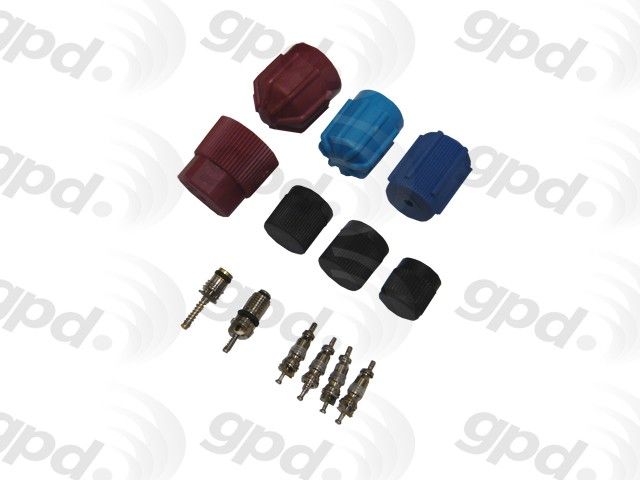
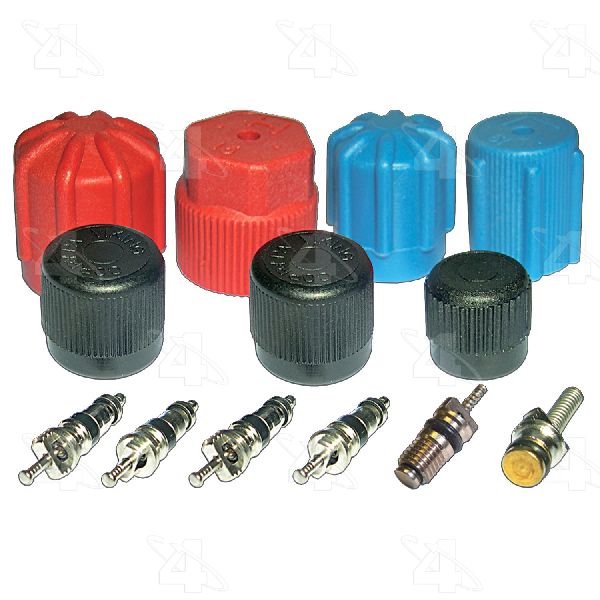
- Tier 2 (Standard Aftermarket): Brands like Four Seasons and Global Parts (gpd) are common in this category. They produce a wide range of A/C components. User reviews are often mixed, with some reporting years of good service while others view them as basic replacements. For valve core kits, they are a reliable and cost-effective choice.
- Tier 3 (Economy): Unbranded or store-brand kits fall here. While they may function, fitment can sometimes be an issue. Given the low cost of standard aftermarket kits, it's best to stick with a known brand.
Refrigerant Handling Warning
Automotive refrigerants are hazardous materials. It is illegal in the United States to intentionally release R12 or R134a into the atmosphere. Replacing valve cores requires the system to be empty. This job should be performed by a professional with an EPA-certified recovery machine to safely and legally evacuate the system before work begins and then recharge it properly afterward.
Estimated Replacement Costs
The cost of the part itself is minimal. The majority of the expense comes from the labor to evacuate and recharge the A/C system.
| Item | Estimated Cost |
|---|---|
| New Aftermarket Kit | $8.39 - $22.84 |
| Shop Labor (Evacuate & Recharge) | $150 - $300 |
| Total Estimated Cost | $158 - $323 |
Frequently Asked Questions
Can I do this replacement myself?
While unscrewing the old valve core and installing a new one is simple, it can only be done on an empty system. Due to the legal and safety requirements of handling refrigerant, this job is best left to a professional A/C technician. A special tool exists to replace cores on a charged system, but it is expensive and requires experience to use correctly.
Do I need to replace the whole kit if I only lost a cap?
If you only lost a cap, you can just replace the cap. However, if your system is leaking refrigerant, the valve core is the actual seal that has failed and must be replaced. The kits are inexpensive and provide everything you need for a complete service of the ports.
Are there any recalls or TSBs for this part?
No. A search of the National Highway Traffic Safety Administration (NHTSA) database shows no recalls or technical service bulletins (TSBs) for the A/C system valve cores on the 1970-1972 Buick GS. This is normal for a vehicle of this age.
Why does the kit come with so many extra parts?
These kits are often designed to be universal for many GM vehicles of the era. Your Buick GS only uses one high-side and one low-side valve and cap. The extra parts are for other applications and can be discarded.
Technical Specifications
Kit includes multiple valve cores and service port caps for high and low side A/C service ports. Compatibility depends on refrigerant type (R12 or R134a).
We Have This Part in Stock

The information in this article is provided for general reference and educational purposes only. Vehicle specifications, procedures, and part compatibility can vary by production date, trim level, and region. Always consult your vehicle's factory service manual and verify part numbers before purchasing or performing repairs. Safety-critical components such as airbags, seat belts, and braking systems should be installed by a qualified professional.