

Choosing the Right Spark Plug for Your 1970-1971 Yamaha RT1MX
Keep your vintage two-stroke running strong with the correct spark plug and tuning knowledge.
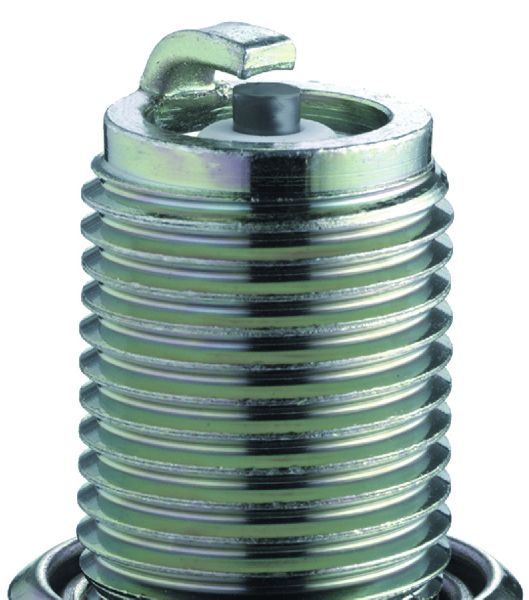
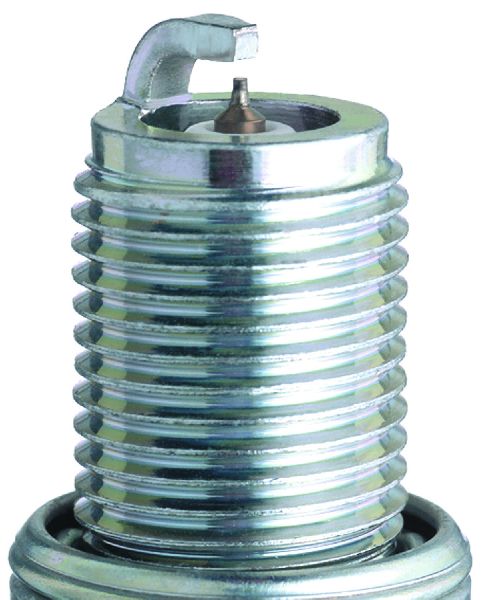
- The best spark plug for your RT1MX is the NGK B9EG.
- Always check and adjust the spark plug gap to 0.6mm (0.024") before installation.
- Learn to 'read' your spark plug; its color is the best indicator of your two-stroke engine's health and tuning.
- Fouling is common in two-strokes; always carry a spare plug and a wrench.
Signs of a Failing Spark Plug
A bad or incorrect spark plug can cause problems that are easy to misdiagnose. Because it's a simple and inexpensive part to replace, the spark plug should be the first thing you check if your RT1MX isn't running right.
- Hard Starting or No Spark: A worn-out or fouled plug will struggle to create a strong enough spark to start the engine.
- Engine Misfires or Stumbles: You may feel the engine hesitate or lose power, especially when you open the throttle.
- Bogging Down: Instead of revving up, the engine may bog down or feel like it's losing power when you accelerate.
- Fouled Plug: When you remove the plug, it may be covered in black, sooty carbon or feel wet with oil. This is known as a 'fouled' plug and is a very common issue on two-stroke motors. While a new plug will get you running again, constant fouling points to other issues like an overly rich fuel mixture or problems with the Autolube system.
Choosing the Right Aftermarket Spark Plug
For a vintage Japanese motorcycle, brand choice matters. While several companies make spark plugs, one brand is consistently recommended by owners and mechanics for the RT1MX.
Brand Quality Tiers
| Tier | Brands | Analysis |
|---|---|---|
| Best / OEM-Equivalent | NGK | NGK is the original equipment supplier for most vintage Yamaha motorcycles and is the overwhelming favorite in the community. The correct plug for the RT1MX is an NGK B9EG. This plug provides the best performance and reliability for your bike's specific ignition system and engine characteristics. |
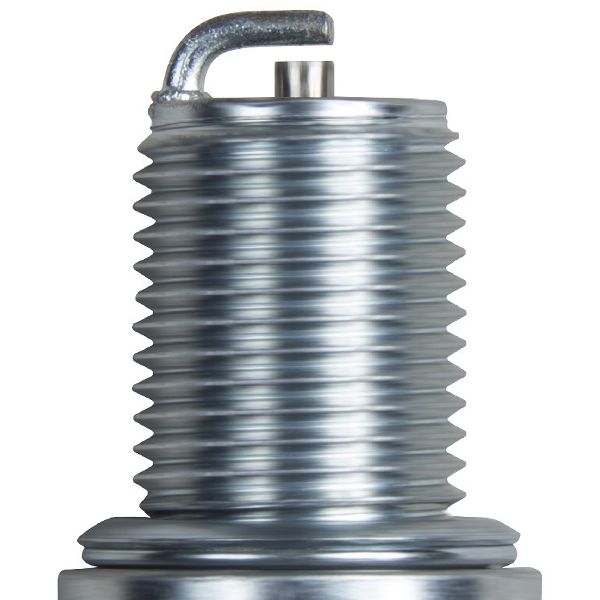
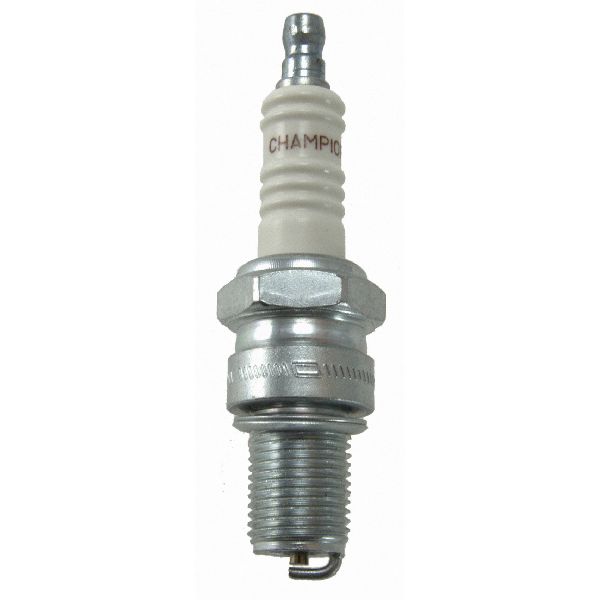
| Standard | Champion | Champion is a well-known brand that produces a compatible spark plug (model N5C). While it will work, most experienced owners stick with NGK for Japanese two-strokes due to a long history of proven reliability. |
Pro Tip: Carry Spares
Two-stroke engines are known for fouling plugs, sometimes unexpectedly. Experienced riders always carry a fresh, pre-gapped spark plug and a small plug wrench when they ride. It can be the difference between a quick 5-minute fix and a long walk home.
Aftermarket Spark Plug Cost for 1970-1971 Yamaha RT1MX
Spark plugs are a low-cost maintenance item. You do not need expensive precious-metal (iridium or platinum) plugs for this engine; the standard copper or nickel-alloy plugs are recommended and perform best.
| Part Type | Price Range |
|---|---|
| New Aftermarket Spark Plug (NGK, Champion) | $3.76 - $14.32 |
Warning: The Danger of Running Lean
When checking your old spark plug, if the insulator tip is white, blistered, or looks melted, stop riding immediately. This is a sign of a 'lean' condition, which means the engine is running too hot and can lead to catastrophic engine damage. A lean condition is not caused by the spark plug itself but indicates a fuel delivery or air leak problem.
Frequently Asked Questions (FAQ)
What is the best spark plug for a 1970-1971 RT1MX?
The most commonly recommended and correct spark plug is the NGK B9EG. It is designed for the performance characteristics and heat range of your bike's engine.
What causes my spark plug to keep fouling?
Spark plug fouling on a two-stroke is almost always caused by an incorrect fuel-to-air ratio (carburetor is set too rich) or too much oil in the mix. It can also be a sign of a weak ignition spark or a faulty Autolube oil-injection system. The plug itself is rarely the cause of the fouling.
What does 'reading' a spark plug mean?
The color and condition of the ceramic insulator at the tip of the plug tells you how the engine is running. A light, coffee-brown color is ideal. Black and sooty means the fuel mixture is too rich. White and chalky or blistered means the mixture is too lean and dangerously hot.
What is the correct spark plug gap for the RT1MX?
The correct spark plug gap should be set to approximately 0.6mm (0.024 inches). Always double-check the gap on a new spark plug with a feeler gauge before installing it, as it can be knocked out of adjustment during shipping.
Technical Specifications
OEM Part Numbers: B9EG
Thread Size: 14mm Thread Reach: 19mm (3/4") Hex Size: 20.8mm (13/16") Recommended Gap: 0.6mm (0.024") Type: Non-Resistor, Fine Wire Nickel Electrode
We Have This Part in Stock

The information in this article is provided for general reference and educational purposes only. Vehicle specifications, procedures, and part compatibility can vary by production date, trim level, and region. Always consult your vehicle's factory service manual and verify part numbers before purchasing or performing repairs. Safety-critical components such as airbags, seat belts, and braking systems should be installed by a qualified professional.