

Choosing the Correct Spark Plug for Your 1970 Yamaha DT1C-MX
The right spark plug is essential for the performance and reliability of your vintage Yamaha two-stroke.
- The highly recommended spark plug is a standard NGK B8ES; avoid expensive iridium plugs.
- Always gap a new spark plug to 0.024 inches (0.6mm) before installation.
- Persistent spark plug fouling is a symptom of other problems, usually a rich fuel mixture or a bad engine seal.
- NGK is the preferred brand for reliability and performance in this vintage two-stroke engine.
Signs of a Failing Spark Plug
A bad or incorrect spark plug on a 1970 DT1C-MX will make itself known quickly. Because it is a single-cylinder two-stroke, the engine is very sensitive to spark quality. Watch for these common symptoms:
- Hard Starting or No Start: A weak or fouled plug won't provide the strong spark needed to fire up the engine.
- Misfiring and Sputtering: The engine may sound like it's coughing or running unevenly, especially when you open the throttle. This can be a sign the plug is about to foul completely.
- Loss of Power: The bike will feel sluggish and won't accelerate as it should. Incomplete combustion from a poor spark robs the engine of power.
- Fouling: This is the most common issue for vintage two-strokes. A fouled plug gets covered in black, sooty, or wet oily deposits, which prevents it from creating a spark. Keep in mind, constant fouling is usually a symptom of another problem, not a defect in the spark plug itself.
Choosing the Right Aftermarket Spark Plug
For the 1970 Yamaha DT1C-MX, selecting the correct spark plug is simple. You do not need expensive, modern iridium or platinum plugs. In fact, standard copper-core plugs work best and are what the engine was designed for. The most important factors are the heat range and using a non-resistor type plug.
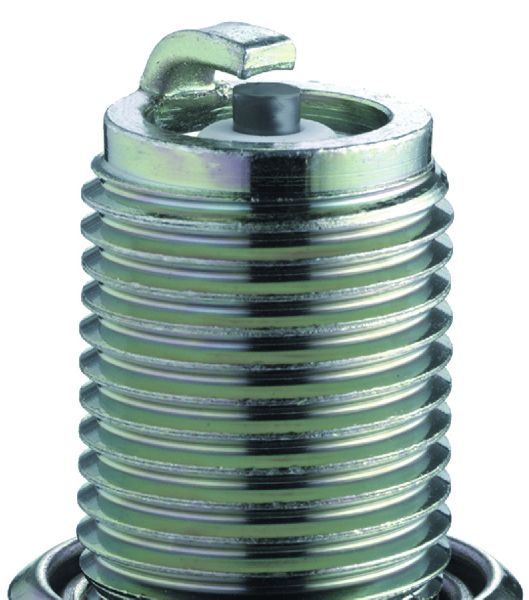
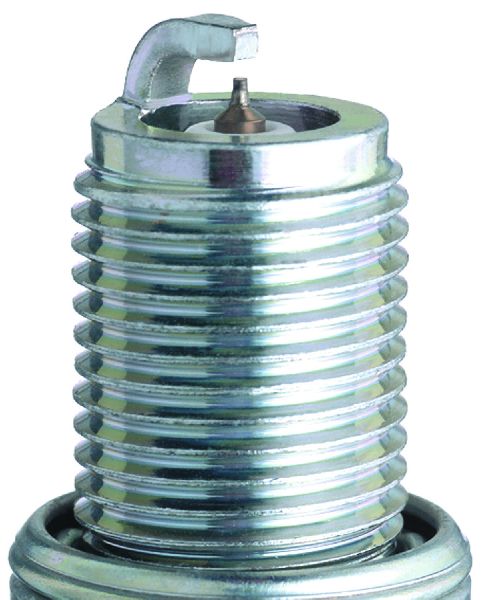
The standard, factory-recommended spark plug for the DT1C and DT1C-MX is an NGK B8ES. While some older manuals may list the hotter B7ES plug, experienced owners recommend the colder B8ES to better handle modern fuels and prevent potential engine damage.
| Attribute | Specification |
|---|---|
| Recommended Plug | NGK B8ES |
| Gap Size | 0.024 inches (0.6mm) |
Always check the gap on a new spark plug with a feeler gauge and adjust it before installation.
Brand Tiers
- Tier 1: Recommended Standard (NGK): NGK is the original equipment standard for most vintage Japanese motorcycles. The NGK B8ES is the go-to plug for the DT1C-MX, providing excellent quality and the most reliable performance. Long-time two-stroke riders overwhelmingly prefer NGK for its consistency and resistance to fouling compared to other brands.
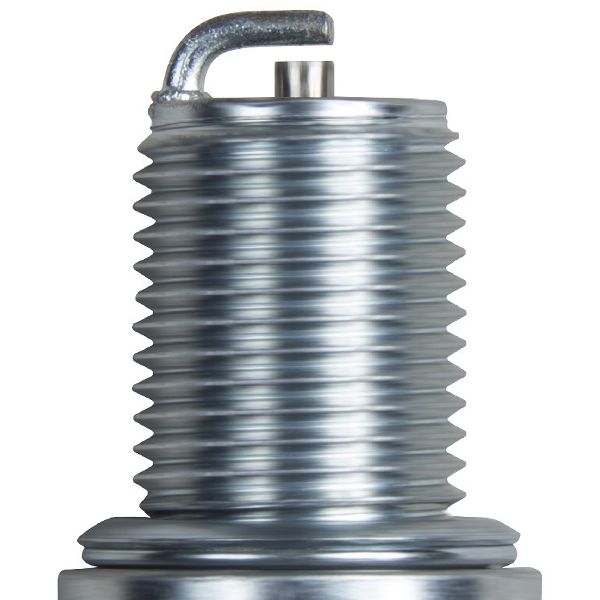
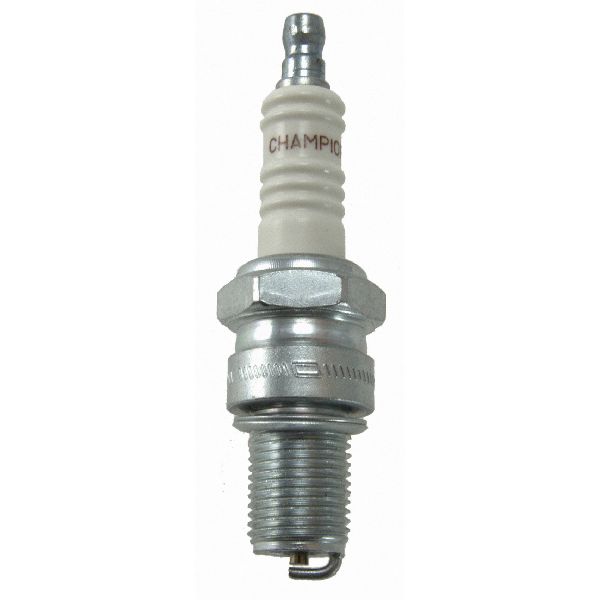
- Tier 2: Standard Equivalent (Champion): Champion offers a compatible plug, often the N3C or L78C. These are solid, affordable alternatives if an NGK plug is not available. However, for a sensitive two-stroke engine, most mechanics and riders stand by NGK as the superior choice for reliability.
Known Issues: No Recalls or TSBs
There are no official recalls or Technical Service Bulletins (TSBs) from Yamaha or the NHTSA related to spark plugs for the 1970 DT1C-MX. The most common reported problem, spark plug fouling, is almost always caused by other engine tuning issues like incorrect carburetor jetting, a dirty air filter, or a bad crankshaft seal allowing transmission oil into the crankcase.
Aftermarket Spark Plug Cost for 1970 Yamaha DT1C-MX
| Part Type | Price Range |
|---|---|
| Aftermarket Spark Plug (NGK B8ES, Champion N3C) | $3.76 - $7.00 |
| Aftermarket Specialty Plug (Iridium - Not Recommended) | $9.00 - $14.32 |
Frequently Asked Questions (FAQ)
What is the correct spark plug gap for a 1970 DT1C-MX?
The recommended spark plug gap is 0.024 inches (or 0.6mm). Always check and adjust the gap on a new spark plug before installing it.
How often should I replace the spark plug?
On a two-stroke, it is wise to check the spark plug every few hundred miles. Because they are inexpensive, many owners replace them every 1,000-2,000 miles or at the beginning of each riding season as preventative maintenance. It is highly recommended to always carry a spare plug and a plug wrench with you when riding.
My bike keeps fouling plugs. Is it the plug's fault?
Probably not. Chronic plug fouling is a symptom of an underlying issue. The most common causes are a rich fuel mixture (carburetor needs adjustment), incorrect oil/fuel ratio, a clogged air filter, or a failing right-side crankshaft seal that is leaking transmission oil into the combustion chamber.
Can I use an expensive iridium spark plug?
While iridium plugs will fit, they are not necessary and offer little to no benefit for a stock DT1C-MX engine. They are much more expensive, and the engine was designed for a standard copper plug. Sticking with the proven NGK B8ES is the most reliable and cost-effective choice.
Technical Specifications
OEM Part Numbers: B8ES
Type: Standard Copper Core, Non-Resistor Gap: 0.024 in (0.6mm) Heat Range: 8 (NGK Scale)
We Have This Part in Stock

The information in this article is provided for general reference and educational purposes only. Vehicle specifications, procedures, and part compatibility can vary by production date, trim level, and region. Always consult your vehicle's factory service manual and verify part numbers before purchasing or performing repairs. Safety-critical components such as airbags, seat belts, and braking systems should be installed by a qualified professional.