

1969-1978 Chevrolet Corvette Speedometer Cable: A Mechanic's Guide
Stop that bouncing needle and get an accurate speed reading in your C3 Corvette.
- A bouncing needle or squealing noise are the classic signs of a failing speedometer cable.
- Always lubricate a new cable with a dry graphite lubricant before installation to prevent damage to the speedometer.
- Replacement is a manageable DIY job; access the back of the speedometer by removing the driver-side A/C duct.
- Verify the correct cable length and type for your car's year and options (especially cruise control) before ordering.
Is Your Corvette's Speedometer Lying to You?
A faulty speedometer cable is a common issue on C3 Corvettes. The symptoms are hard to miss. You might see the speedometer needle bouncing erratically, especially at lower speeds. You could also hear a squealing, clicking, or whirring sound coming from behind the dashboard. In advanced cases, the speedometer may stop working altogether. These signs usually point to a cable that is binding, frayed, or has broken from age and use.
🎬 Watch: Troubleshooting a speedometer that has stopped workingChoosing the Right Aftermarket Cable
Since original GM cables are generally not available new, you will be choosing from aftermarket brands. The quality and price vary, so it's important to know the differences.
- Standard Replacement (ATP, Pioneer Cable): These are the most affordable and widely available options, often found at local auto parts stores. They are designed to be direct, OE-style replacements. However, some owners have reported inconsistent quality, with issues like premature failure or poor fitment. While they can be a good budget choice, be prepared for the possibility that they may not last as long as a higher-quality part.
- Premium / Custom (Lokar): Lokar offers high-end, cut-to-fit speedometer cables. These often feature a braided stainless steel housing for better durability and a custom look. They are significantly more expensive but are considered a top-tier upgrade, especially for restored or modified Corvettes. You will need to trim the cable and housing to the exact length your car needs.
- Specialty Reproductions (Corvette America, etc.): Many Corvette-specific retailers sell reproduction cables that are made to match the original specifications for length and fitment. These are a solid middle-ground option, often providing better quality and fit than generic parts store brands without the high cost of a custom Lokar cable.
Aftermarket Speedometer Cable Cost (1969-1978 Corvette)
| Brand Tier | Estimated Price Range | Notes |
|---|---|---|
| Standard (ATP, Pioneer) | $16 - $40 | Basic, functional replacement. Quality can be inconsistent. |
| Specialty Reproduction | $50 - $85 | Good balance of quality and price from Corvette-specific vendors. |
| Premium Custom (Lokar) | $100 - $155+ | High-durability, cut-to-fit design with braided stainless housing. |
Pro Tip: Lubricate Before You Install
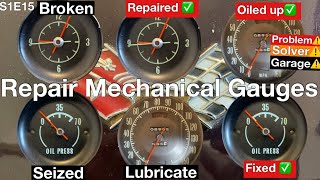
Always lubricate a new speedometer cable before installation. The strong consensus among Corvette owners is to use a dry graphite-based lubricant, such as Kable-Ease. Do not use heavy grease, as it can get stiff in the cold and can work its way up into the speedometer head, causing permanent damage. 🎬 See how to maintain and repair your mechanical gauges Apply the lubricant along the inner cable, but leave the last 4-6 inches at the speedometer end dry to prevent contamination.
Frequently Asked Questions
Is a bouncing speedometer needle always a bad cable?
Not always, but the cable is the most common cause. A bouncing needle can also be caused by a problem inside the speedometer head itself or worn gears in the transmission. A good test is to disconnect the cable from the transmission and spin it with a variable-speed drill. If the needle moves smoothly, the problem is likely in the transmission; if it still bounces, the cable or speedometer head is the issue.
How do I know what length cable to buy?
Cable length varies by year and options like transmission type and cruise control. Cars with cruise control use a two-cable system (upper and lower), while non-cruise cars use a single, longer cable. It is best to measure your old cable or order a part that is specifically listed for your Corvette's exact year and configuration.
Can I replace the speedometer cable myself?
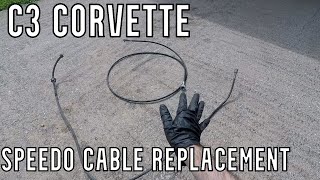
Yes, this is a common DIY job for many Corvette owners. The most difficult part is reaching the clip on the back of the speedometer. Many owners find they can access it by removing the driver's side air conditioning duct under the dash, avoiding the need to pull the entire instrument cluster. 🎬 Watch this step-by-step C3 speedometer cable replacement walkthrough The rest of the job involves routing the cable carefully through the firewall and connecting it to the transmission.
Are there any recalls for the speedometer cable on my Corvette?
No, there are no NHTSA recalls or Technical Service Bulletins (TSBs) for the speedometer cable on 1969-1978 Chevrolet Corvettes. This is a standard wear-and-tear item.
Common Ordering & Installation Mistakes
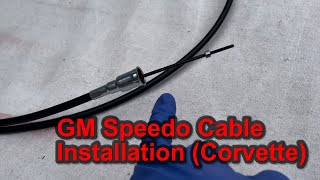
Watch out for these common errors. First, ensure you order the correct cable for your car's specific year and options (manual vs. automatic, cruise control vs. no cruise control). Second, during installation, route the new cable carefully to avoid sharp bends or proximity to hot exhaust manifolds, which can cause binding and premature failure. Finally, make sure the cable end clicks securely into the back of the speedometer; a loose connection will cause it to fail.
Helpful Videos
Technical Specifications
OEM Part Numbers: 6477213 6478176
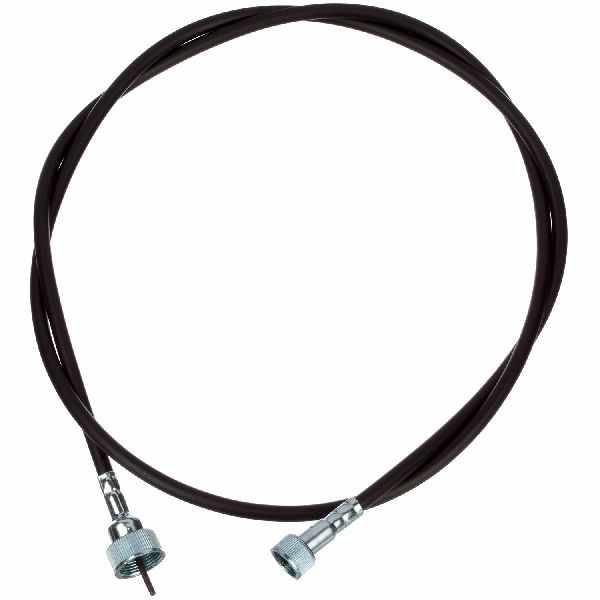
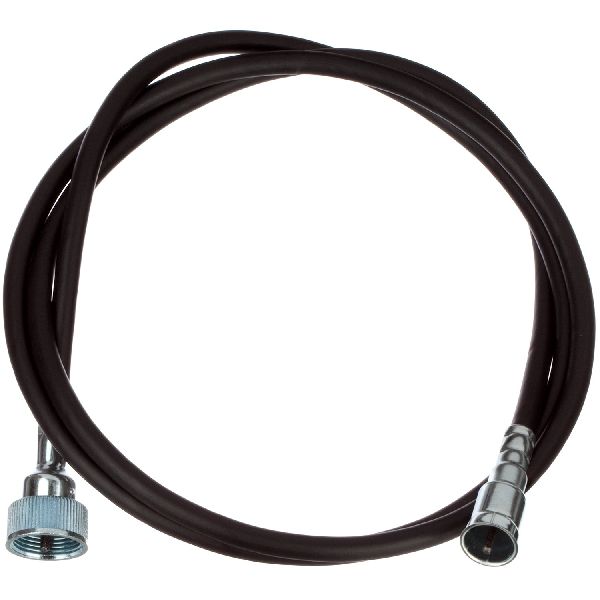
The cable connects the transmission to the speedometer head. It uses a clip-on style connector at the speedometer and a screw-on fitting at the transmission. Lengths vary significantly based on year and options (e.g., 69-inch, 72-inch, 80-inch). Models with cruise control use a two-piece cable system.
We Have This Part in Stock


The information in this article is provided for general reference and educational purposes only. Vehicle specifications, procedures, and part compatibility can vary by production date, trim level, and region. Always consult your vehicle's factory service manual and verify part numbers before purchasing or performing repairs. Safety-critical components such as airbags, seat belts, and braking systems should be installed by a qualified professional.