

Accessory Drive V-Belts for the 1969-1975 Buick Electra
Keep your Electra's essential components running smoothly by understanding its V-belt system.
- Your Electra uses multiple V-belts, not a single serpentine belt. One failed belt can disable a key system like cooling or charging.
- Squealing is the most common sign of a problem. Use the water spray test to help diagnose if the issue is the belt, tension, or a pulley.
- Gates is the most recommended aftermarket brand for quality and reliability on classic Buick V8s.
- Always verify the correct belt length for your specific car's accessory setup, as catalog listings can be wrong for older vehicles.
Understanding Your Electra's V-Belt Setup
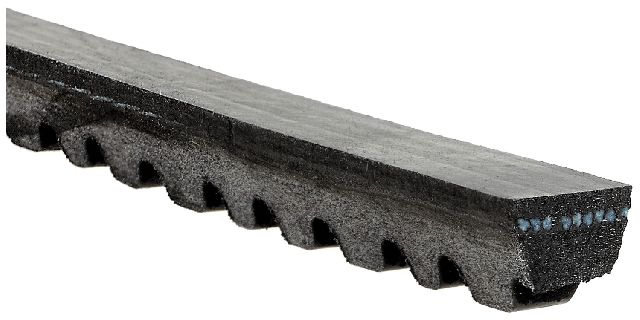
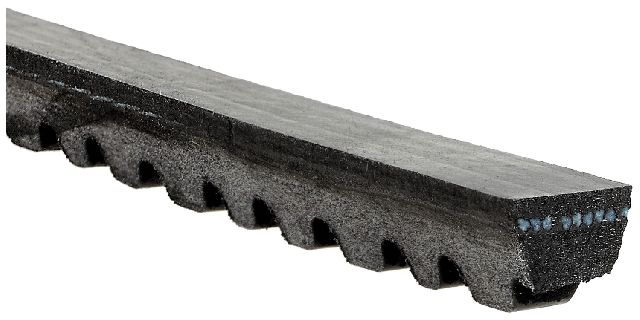
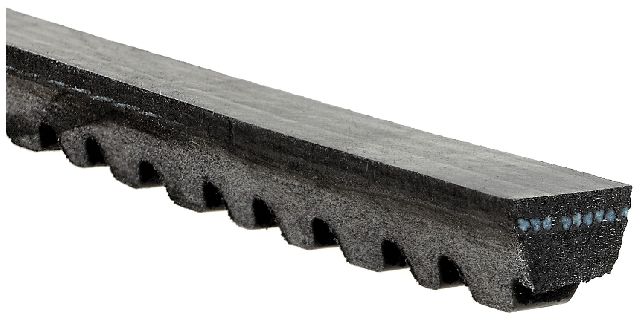
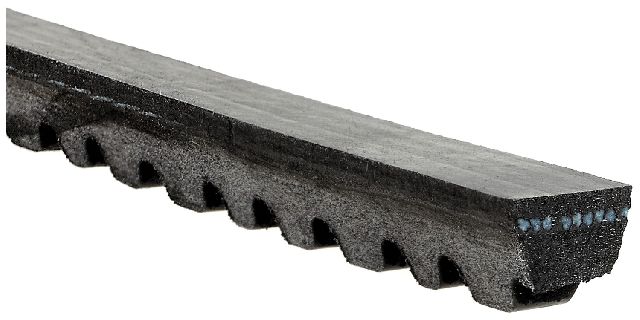
The accessory drive system on the 1969-1975 Buick Electra, typically equipped with the large 430 or 455 V8 engine, uses multiple V-belts. This is different from a modern single serpentine belt. Each belt runs in a V-shaped groove on the engine's pulleys. This design provides a good grip to transfer power from the engine's crankshaft to accessories like the alternator, power steering pump, water pump, and A/C compressor.
Symptoms of a Failing Accessory Drive Belt
A failing V-belt gives several warning signs. Ignoring them can lead to a breakdown if a critical belt like the one for the water pump or alternator snaps.
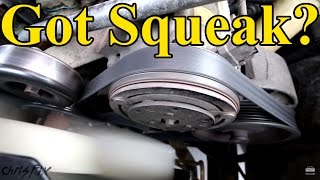
- Squealing Noises: This is the most common symptom. 🎬 Learn how to diagnose belt noise in your engine bay A high-pitched squeal, especially when starting the engine cold or during acceleration, often means a belt is loose and slipping on a pulley.
- Visible Wear: Inspect your belts. Look for cracks, fraying, missing chunks, or a glazed, shiny appearance on the sides. These are clear signs the rubber is old and needs replacement.
- Component Malfunction: If your power steering becomes heavy, the battery light comes on, or the engine temperature starts to rise, a belt has likely failed. For example, a lit battery light points to a failed alternator belt.
- Vibrations or Knocking Sounds: A belt that is falling apart or a misaligned pulley can sometimes cause vibrations or sounds that might be mistaken for a more serious engine problem.
Pro Tip: The Water Spray Test
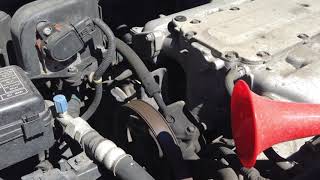
🎬 Watch a quick demo of the belt spray testIf you hear a squeal, you can help diagnose the cause with a spray bottle of water. With the engine running, carefully spray a small amount of water on the grooved side of the noisy belt. If the noise temporarily goes away, the belt is likely worn or needs tensioning. If the noise gets louder, the issue is likely improper belt tension. If the noise is unchanged, you may have a bad bearing in a pulley for an accessory like the alternator or water pump.
Choosing the Right Aftermarket V-Belts
For a classic car like the Electra, original equipment (OEM) belts from GM are generally unavailable. The aftermarket offers excellent, and often superior, modern replacements. Quality is key, as a cheap belt that stretches or fails quickly is not worth the small savings.
Based on owner experiences with similar large V8 engines, brands can be tiered for quality and reliability:
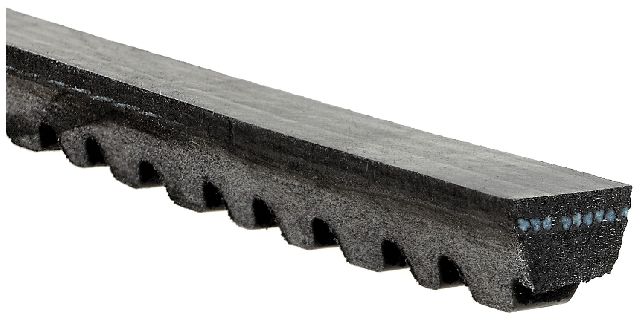
- Top Tier (Excellent Quality): Gates is widely regarded as the top choice for V-belts on classic American cars. Their "High Capacity" or "XL" belts are known for durability and proper fit. Many experienced mechanics and restorers prefer Gates for their reliability.
- Mid-Grade (Good Quality): Dayco is another well-known brand that produces reliable V-belts. Their "Top Cog" belts are a popular choice and are considered a solid option if Gates belts are not available.
- Standard (Acceptable Quality): Continental (sometimes branded as ContiTech) makes good quality belts, though they are sometimes more associated with European cars. While perfectly functional, they don't have the same dedicated following as Gates among classic Buick owners.
Common Ordering Mistake: Getting the Wrong Length
Your Electra could have several different belt configurations depending on the year and accessories (with or without A/C, different alternator options, etc.). Part numbers in catalogs can sometimes be incorrect for these older vehicles. The best way to ensure you get the right belts is to measure the old ones if you have them. If not, you can run a piece of string or a narrow tape measure around the pulleys for a specific belt path to get the required length. It's often wise to buy a belt that is one size smaller and one size larger than your measurement to avoid a return trip to the parts store.
Estimated Costs for Accessory Drive Belts
| Part & Labor | Estimated Cost |
|---|---|
| New Aftermarket Belts (Per Belt) | $5 - $40 |
| Shop Labor to Replace All Belts | $75 - $150 |
Cost estimates are for reference only and can vary by location and supplier. Your Electra has multiple belts; the total parts cost will be the sum of each individual belt.
Frequently Asked Questions (FAQ)
How many accessory belts does my 1969-1975 Electra have?
It depends on the options. Most cars will have at least two belts: one for the alternator/water pump and another for the power steering. If your car has air conditioning, it will have at least one additional, longer belt. It's common to have 2 to 4 individual V-belts.
Is replacing the V-belts a difficult job?
For a DIY mechanic with basic tools, this is a relatively easy job. Access on these large cars is generally good. The process involves loosening the bolts on an accessory (like the alternator or power steering pump), pushing it inward to create slack, removing the old belt, and installing the new one. The most important part is setting the correct tension afterward.
How do I properly tension a new V-belt?
Proper tension is crucial. A loose belt will slip and squeal, while a belt that is too tight can destroy the bearings in your alternator or water pump. A common rule of thumb is that on the longest span of the belt, you should only be able to press it down about half an inch with your thumb. It should feel tight, not loose.
Are there any recalls for the drive belts on my Electra?
No, there have been no specific recalls issued by the NHTSA for accessory drive belts on the 1969-1975 Buick Electra.
Helpful Videos

Technical Specifications
System Type: Multiple V-Belts Common Engines: 430 cu in (7.0L) V8, 455 cu in (7.5L) V8 Common Accessories Driven: Alternator, Water Pump, Power Steering, Air Conditioning Compressor.
We Have This Part in Stock

The information in this article is provided for general reference and educational purposes only. Vehicle specifications, procedures, and part compatibility can vary by production date, trim level, and region. Always consult your vehicle's factory service manual and verify part numbers before purchasing or performing repairs. Safety-critical components such as airbags, seat belts, and braking systems should be installed by a qualified professional.