

A Deep Dive into Engine Mounts for the 1969-1974 Toyota Corolla
Eliminate excessive engine vibration and clunking noises by understanding and replacing your classic Corolla's engine mounts.
- Symptoms are hard to miss: look for heavy vibration at idle and loud clunks when shifting or accelerating.
- Aftermarket parts are your only realistic option for a new mount, and they are very affordable.
- It is strongly recommended to replace all engine and transmission mounts as a set for the best results.
- This is a manageable DIY job for those with a floor jack and basic hand tools.
Signs of a Failing Engine Mount
When the rubber in an engine mount wears out, cracks, or gets soaked with oil, it can no longer do its job. The signs of a bad mount are usually easy to notice. You don't need to be a mechanic to tell something is wrong.
- Excessive Vibration: This is the most common symptom. You'll feel a deep vibration through the steering wheel, floor, and seats, especially when the car is idling at a stop.
- Loud Noises: A worn mount can cause clunking, banging, or knocking sounds, particularly when you shift gears, accelerate hard, or start the engine. This is the sound of the engine moving too much and hitting other parts.
- Visible Engine Movement: If you open the hood and have a helper gently rev the engine while the car is in park with the brake on, you might see the engine rock or lift excessively. A little movement is normal, but a large jump indicates a broken mount.
Don't Ignore a Bad Mount
Continuing to drive with a broken engine mount can cause other problems. The constant movement can put stress on hoses, wires, and exhaust components, leading to more expensive repairs down the road.
Choosing the Right Aftermarket Mount
For a classic car like the 1969-1974 Corolla, finding brand-new Original Equipment Manufacturer (OEM) parts is nearly impossible. The good news is that the aftermarket provides options that allow you to keep your vintage Toyota on the road. Your main choices will be between economy and standard-grade brands.
Brand Quality: DEA vs. Pioneer
When shopping for your Corolla, you will likely see brands like DEA and Pioneer available.
- DEA: This is a widely available, budget-friendly brand. Forum discussions on other vehicles show mixed experiences. Some users report that DEA mounts can cause more vibration than original parts or fail prematurely. However, for a simple, solid rubber mount on a classic car, they can be a functional and affordable choice.
- Pioneer: This brand generally has positive reviews for being a good value with reliable fitment. While there is less specific discussion about them in enthusiast forums, they are presented as a quality replacement part.
A Note on Aftermarket Parts for Classic Cars
For a vehicle of this age, any new aftermarket mount will likely be a significant improvement over a 50-year-old original part that is cracked and collapsed. While OEM is often preferred for modern cars with complex hydraulic mounts, a solid rubber aftermarket mount is a perfectly suitable choice for a classic Corolla.
Estimated Replacement Costs
The cost to replace an engine mount on this Corolla is very reasonable, as the parts themselves are inexpensive and the labor is straightforward.
| Part/Service | Estimated Cost |
|---|---|
| New Aftermarket Engine Mount | $8.11 - $16.38 |
| Shop Labor (per mount) | $100 - $225 |
| Total per mount (Installed) | $108 - $242 |
Cost estimates are for a single mount and can vary by location and repair shop rates.
Frequently Asked Questions (FAQ)
How many engine mounts does a 1969-1974 Corolla have?
Most rear-wheel-drive cars from this era have three or four mounts in total: typically two for the engine and one or two for the transmission, which work together as a system. It's a good practice to inspect all of them when you suspect one has failed.
Should I replace all the mounts at once?
It is highly recommended. If one mount has failed due to age, the others are likely not far behind. A single new, stiff mount paired with old, soft ones can create uneven stress on the drivetrain and still cause vibration issues.
Can I replace the engine mounts myself?
Yes, this is a very feasible DIY project for a home mechanic with basic tools. The process involves safely supporting the engine from below with a jack and a block of wood, unbolting the old mount, and installing the new one. There are many general video guides online that show the basic procedure.
Are there any recalls for 1969-1974 Corolla engine mounts?
No, there are no recalls or Technical Service Bulletins (TSBs) from the NHTSA related to engine mounts for this specific vehicle generation.
Technical Specifications
Interchange Part Numbers (Front Right, 1.2L Engine): A2748, 602748, 602-1720, 31-3328, 270-2668, 15903828-101. Interchange Part Numbers (Front Right, 1.6L Engine): A2406, 602406, 608305, 602-1531, 104-0817, 104-0818, 270-2606.
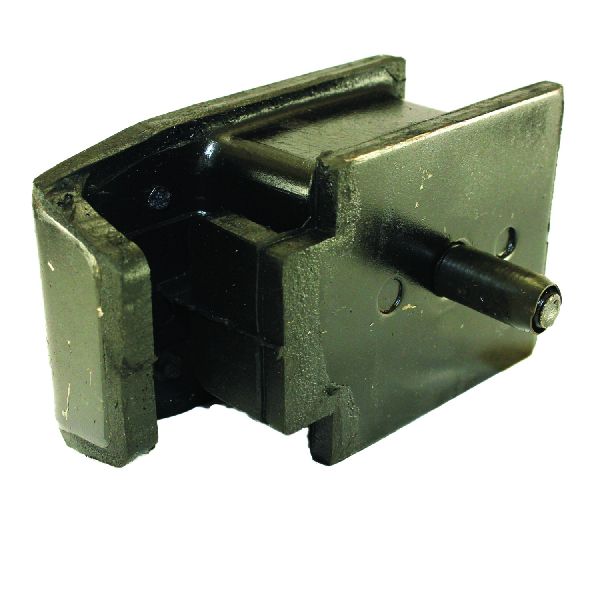
We Have This Part in Stock


The information in this article is provided for general reference and educational purposes only. Vehicle specifications, procedures, and part compatibility can vary by production date, trim level, and region. Always consult your vehicle's factory service manual and verify part numbers before purchasing or performing repairs. Safety-critical components such as airbags, seat belts, and braking systems should be installed by a qualified professional.