

Ford Ranch Wagon (1969-1974) Engine Coolant Bypass Hose Replacement Guide
Don't let a small, hidden hose cause major engine problems for your classic Ford wagon.
- A failing bypass hose will cause coolant leaks and can lead to critical engine overheating.
- Choose a quality aftermarket hose from Gates, Dayco, or Continental; OEM parts are not a viable option.
- Replacement is difficult due to tight access but can be done by a skilled DIYer; cleaning the connection points is essential for a leak-free seal.
- Always use conventional green antifreeze and new hose clamps with the replacement.
Signs of a Failing Bypass Hose
A bad bypass hose is a common problem on older vehicles as the rubber breaks down from decades of heat and pressure. Because this hose is often tucked away, a leak might not be immediately obvious. Look for these warning signs:
- Coolant Smell: The most common first sign is the sweet smell of antifreeze coming from the engine bay after a drive.
- Visible Leaks or Puddles: You may see green, yellow, or blue coolant dripping onto the front of the engine or on the ground. The leak often originates from a tight space between the water pump and intake manifold.
- Bulging Hose: If you can inspect the hose, look for any swelling or bulging. A hose that looks like a balloon in the middle is ready to burst.
- Engine Overheating: If the hose fails completely, it will cause a rapid loss of coolant, leading to your temperature gauge climbing into the red. This is a critical situation that can cause severe engine damage.
- Low Coolant Level: A slow leak may not leave a puddle but will require you to constantly top off your coolant.
⚠️ Stop Driving Immediately If Overheating
If your temperature gauge is in the red or you see large amounts of steam, pull over and shut off the engine as soon as it is safe. Driving with an overheating engine can lead to catastrophic damage like warped cylinder heads or a cracked block.
Choosing the Right Aftermarket Bypass Hose
For a vehicle of this age, finding a new OEM (Original Equipment Manufacturer) hose is not a realistic or desirable option. Any "new old stock" part would have rubber that is decades old and untrustworthy. A quality aftermarket hose is the correct and reliable choice.
The three main brands you will find are Gates, Dayco, and Continental. All are reputable manufacturers of belts and hoses.
- Gates: Often considered a top-tier choice by mechanics. Forum users frequently report good fitment and material quality. Gates hoses are engineered to resist electrochemical degradation, which is a leading cause of hose failure from the inside out.
- Dayco: A solid, reliable brand. Some users note that Dayco hoses can feel slightly thicker than Gates. In most cases, they perform just as well, but fitment can occasionally be an issue, as with any aftermarket part.
- Continental: Another excellent OEM-quality supplier. If a Continental (sometimes listed as ContiTech) hose is available for your application, it is a trustworthy option.
Pro Tip: Match the Old with the New
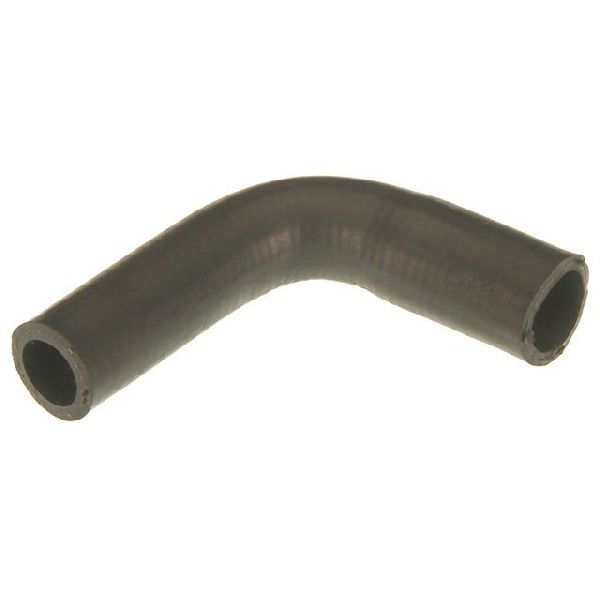
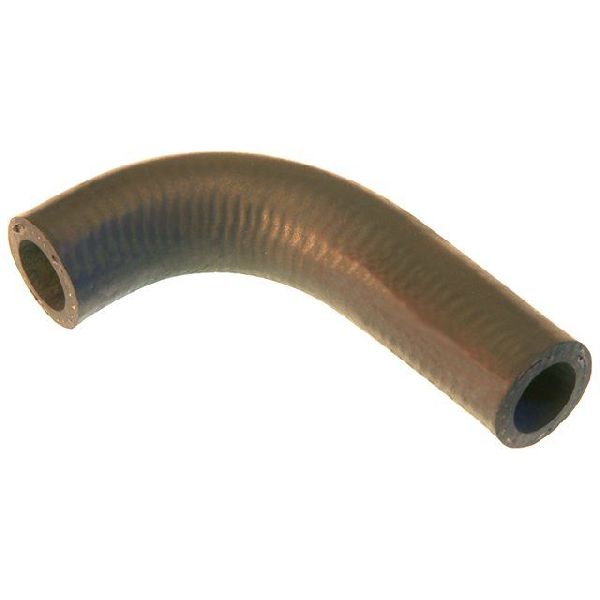
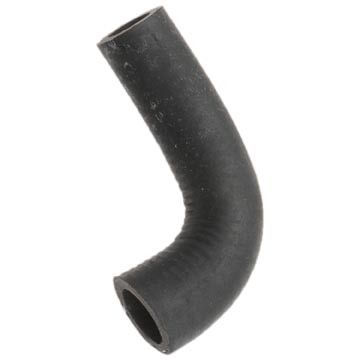
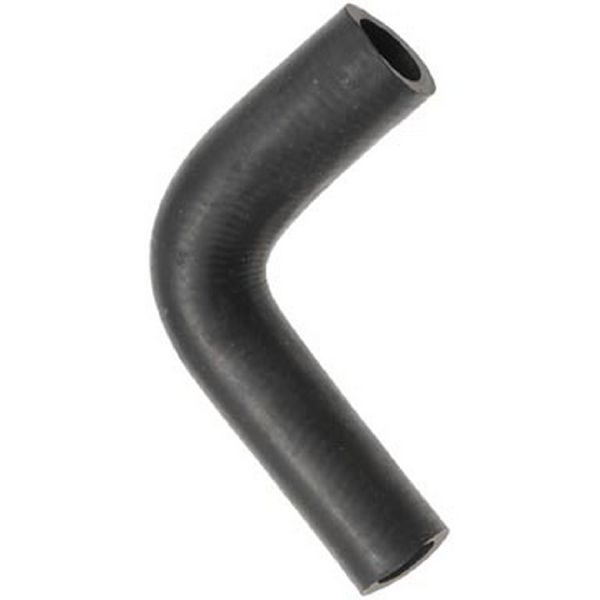
Before you start the replacement, hold the new hose next to the old one. Make sure the diameter and, most importantly, the molded bends are a very close match. An incorrectly shaped hose can kink, restrict coolant flow, and cause overheating.
Estimated Replacement Costs
The cost to replace the bypass hose depends on whether you do it yourself or hire a professional. The part itself is inexpensive, but labor can be significant due to the difficult access.
| Item | Estimated Cost |
|---|---|
| New Aftermarket Bypass Hose | $14.08 - $81.22 |
| Shop Labor | $150 - $300 |
| New Coolant (Conventional Green) | $15 - $25 |
| New Hose Clamps (Pair) | $3 - $10 |
Frequently Asked Questions (FAQ)
Is replacing the bypass hose a difficult job?
Yes, this is often a challenging job for a DIY mechanic. The hose is in a very tight space between the water pump and intake manifold, making it hard to reach. While some forum users have successfully replaced it by cutting the new hose to the perfect length and forcing it into place, it requires patience. Removing the water pump provides much better access but turns it into a much larger job.
Should I replace the hose clamps?
Absolutely. Always use new, high-quality hose clamps when replacing any coolant hose. Old clamps can lose their tension or corrode, leading to leaks. Do not overtighten them, as this can damage the hose or the fitting nipple.
What kind of coolant should I use in my Ranch Wagon?
For a classic car from this era, you should use conventional green IAT (Inorganic Additive Technology) antifreeze. Do not use modern OAT (Organic Acid Technology) coolants like DEX-COOL (orange/pink), as they can be harmful to the metals (like brass and copper) used in your original radiator and heater core.
My new hose is leaking. What went wrong?
Leaks after replacement are common. The most likely cause is not the hose itself, but a poor seal. The metal nipples on the water pump and intake manifold must be perfectly clean. Use a wire brush or emery cloth to remove all old rubber, rust, and scale before installing the new hose. A small amount of gasket sealer on the cleaned nipples can also help ensure a good seal.
Technical Specifications
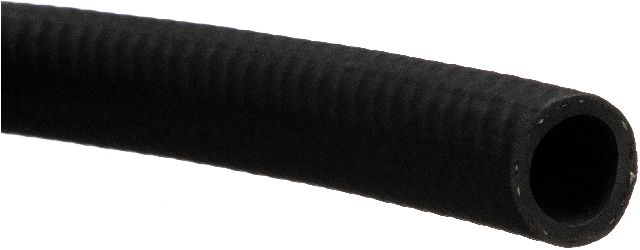
Typically a short, molded rubber hose with a 5/8" or similar inner diameter, connecting the water pump to the intake manifold. Made from EPDM rubber to resist heat and coolant chemicals.
We Have This Part in Stock

The information in this article is provided for general reference and educational purposes only. Vehicle specifications, procedures, and part compatibility can vary by production date, trim level, and region. Always consult your vehicle's factory service manual and verify part numbers before purchasing or performing repairs. Safety-critical components such as airbags, seat belts, and braking systems should be installed by a qualified professional.