

Ford E-300 Econoline A/C Valve Core and Cap Kit Guide (1969-1974)
If your classic Econoline's A/C isn't blowing cold anymore, the problem could be a tiny, inexpensive part you've overlooked.
- A leaking A/C valve core is a common and inexpensive cause of poor cooling on older vehicles.
- You must determine if your van's A/C has been converted from R-12 to R-134a before buying parts.
- Replacement can be a simple DIY job if you use a special valve core removal tool; otherwise, it requires professional service.
- Always keep the service port caps tightly secured, as they provide a critical secondary seal against leaks and contamination.
Is Your Econoline's A/C Not What It Used to Be?
On a vintage van like the 1969-1974 Ford E-300 Econoline, a gradual loss of air conditioning performance is common. Often, the cause is a slow leak from a very small and inexpensive part: the A/C service valve core. Over decades, the rubber seals in these valves degrade, allowing refrigerant to escape. When the refrigerant level drops too low, the system can no longer cool the air effectively. This guide will help you identify the symptoms of a failing valve core and choose the right replacement kit.
Important: R-12 vs. R-134a Refrigerant
Your van originally came with an R-12 refrigerant system. Many of these older systems have been converted to use modern R-134a refrigerant. Before ordering parts, you must check if your system has been converted. Conversion kits include new service port adapters that fit over the old R-12 ports. The valve cores themselves are often the same, but the caps and port sizes will be different. Check for labels under the hood indicating an R-134a conversion.
Symptoms of a Failing A/C Valve Core
- Poor Cooling Performance: The most obvious sign is A/C that blows cool but not cold, or eventually blows warm air. This happens when enough refrigerant has leaked out.
- Audible Hissing: After turning the engine off, you might hear a faint, intermittent hiss from the service ports under the hood if you listen very closely in a quiet environment.
- Oily Residue: The refrigerant in your A/C system is mixed with oil. If a valve is leaking, this oil will escape and collect on the service port and on the inside of the plastic cap. Checking the inside of the cap with a cotton swab is a good way to spot a leak.
Choosing the Right Aftermarket Part
For a vehicle of this age, finding original OEM A/C parts is nearly impossible. Even if available, a dealer would likely only sell the valve as part of a complete A/C line assembly at a much higher cost. Aftermarket kits are the standard, reliable, and cost-effective solution.
Brand Tiers: Four Seasons vs. Global Parts (GPD)
Both Four Seasons and Global Parts are well-known aftermarket suppliers of A/C components. While online forums show mixed reviews for their more complex parts like compressors, a simple mechanical item like a valve core and cap kit is a low-risk purchase from either brand. The most critical factor is ensuring the kit is compatible with your refrigerant type (R-12 or R-134a conversion ports).
| Part Type | Estimated Cost |
|---|---|
| New Aftermarket Kit | $8.39 - $22.84 |
| New OEM | Not Generally Available |
Pro Tip: Replacement Can Be a DIY Job (With the Right Tool)
Traditionally, replacing a valve core required a professional A/C service to evacuate the system, which is costly. However, a special A/C valve core remover/installer tool allows you to swap the valve without losing the system's refrigerant charge. This tool creates a seal around the port, letting you unscrew the old core and install the new one safely. Without this specific tool, the job must be left to a professional, as releasing refrigerant into the atmosphere is illegal.
Frequently Asked Questions (FAQ)
Can I replace the A/C valve core myself?
Yes, but only if you have a special A/C valve core remover tool that seals the port during the process. Without this tool, you will release the entire refrigerant charge, which is illegal and will require a professional service to recharge the system. Replacing the caps is as simple as screwing them on by hand.
What happens if I just leave the caps off?
The caps are a critical part of the system. They provide a secondary seal to prevent slow leaks and, more importantly, keep dirt and moisture out. Moisture in an A/C system can lead to corrosion and the failure of expensive components like the compressor and receiver/drier.
Should I replace the valve cores if I'm getting other A/C work done?
Absolutely. If the system is already being evacuated for another repair (like a new compressor or hose), replacing the valve cores at the same time is highly recommended. The parts are inexpensive, and it's cheap insurance against future leaks.
How do I know if my van uses R-12 or has been converted to R-134a?
Look for a sticker under the hood that explicitly mentions "R-134a". Also, inspect the service ports. R-134a conversion kits use quick-disconnect fittings that are larger and more block-like than the original threaded R-12 ports. If you are unsure, consult a professional A/C technician.
Technical Specifications
OEM Part Numbers: Not available for this model year.
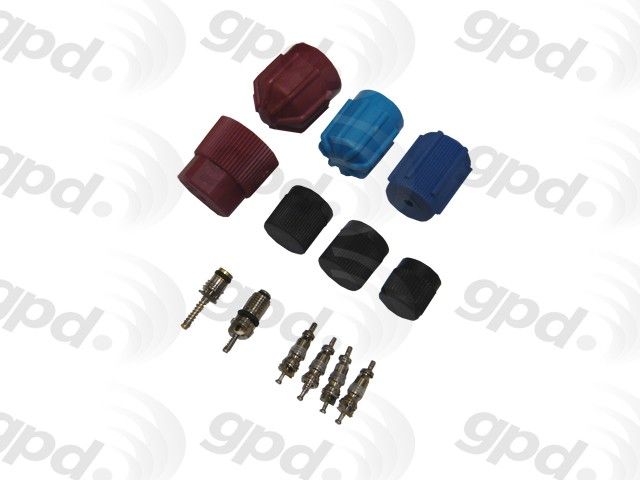
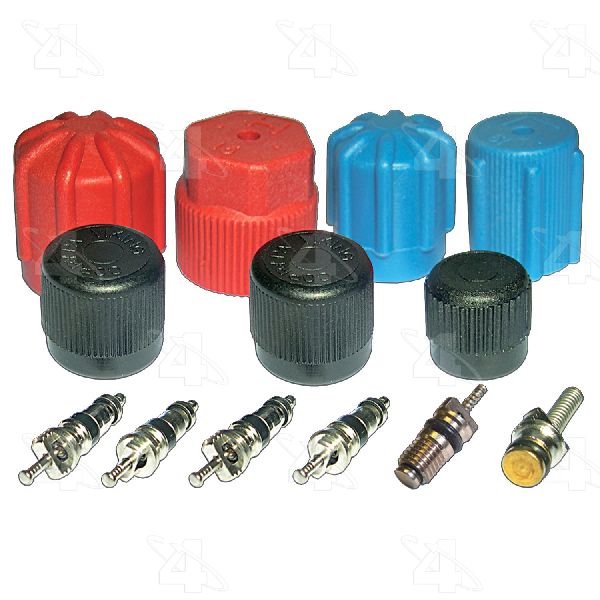
Kit contains Schrader-type valve cores and sealing caps for A/C service ports. Compatibility depends on whether the system is original R-12 or has been converted to R-134a.
We Have This Part in Stock

The information in this article is provided for general reference and educational purposes only. Vehicle specifications, procedures, and part compatibility can vary by production date, trim level, and region. Always consult your vehicle's factory service manual and verify part numbers before purchasing or performing repairs. Safety-critical components such as airbags, seat belts, and braking systems should be installed by a qualified professional.