

Engine Coolant Bypass Hose Guide for the 1969-1974 Ford E-200 Econoline
Keep your classic Econoline's engine safe from overheating by choosing the right coolant bypass hose.
- Failure is due to age; inspect the bypass hose regularly for cracks, swelling, or leaks.
- Use a quality aftermarket brand like Gates or Dayco; modern hoses are superior to the 50-year-old originals.
- Always use a molded hose designed for your van to prevent kinks and ensure proper coolant flow.
- Replace hose clamps with the hose to guarantee a leak-free seal.
Is Your Econoline's Bypass Hose Failing?
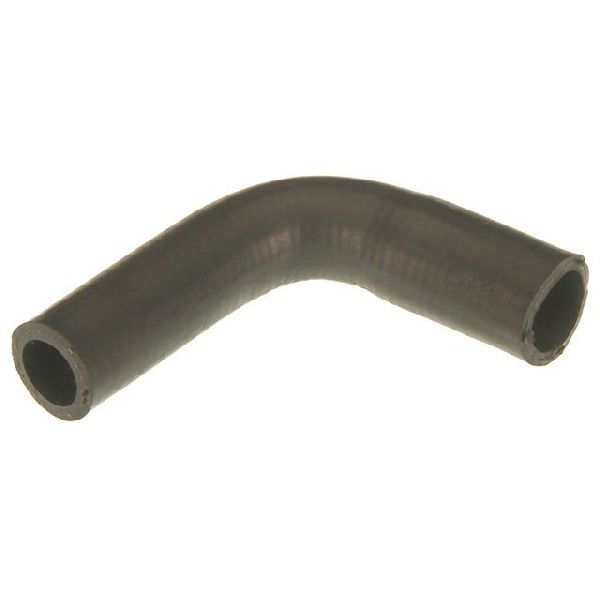
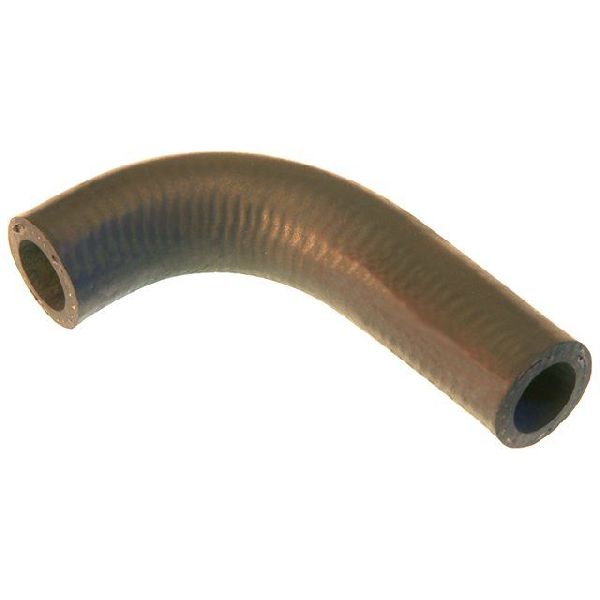
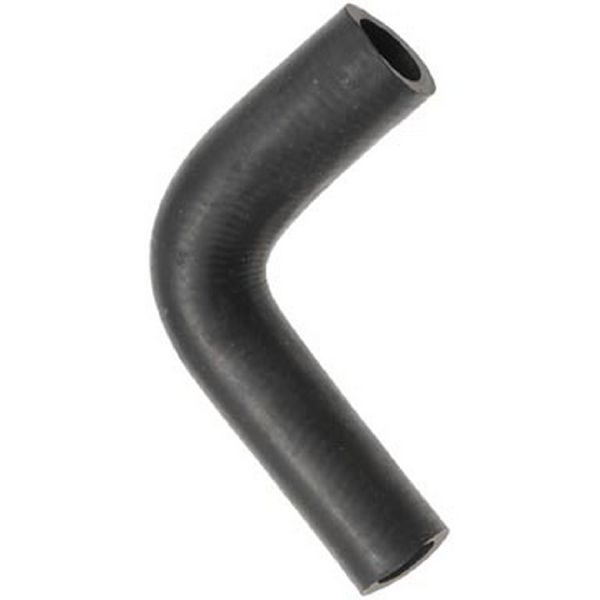
On a classic van like the E-200, rubber components are the first to go. After 50+ years of heat, pressure, and exposure to chemicals, the original bypass hose is living on borrowed time. A failure here can cause a rapid loss of coolant and lead to severe engine damage. Check the hose, which is typically a short, curved piece of rubber near the thermostat housing or water pump, for these warning signs.
Overheating is an Engine Killer
If your temperature gauge climbs into the red, pull over and shut off the engine immediately. A burst bypass hose can drain the cooling system in minutes, leading to catastrophic engine failure. Do not continue to drive an overheating vehicle.
Choosing the Right Aftermarket Hose
Finding an original Ford (Motorcraft) hose for a vehicle from this era is nearly impossible. The aftermarket is your only realistic option. Fortunately, modern rubber technology means that today's aftermarket hoses from reputable brands are often superior to the original parts from the 1970s. The available brands for your Econoline are Dayco and Gates.
- Gates: Often praised by mechanics for excellent cataloging and consistent fitment. Gates hoses are made from high-quality EPDM rubber engineered to resist modern coolant chemicals and degradation.
- Dayco: Another well-regarded brand. Some users feel their hoses are slightly thicker than competitors, which they prefer. While occasional fitment issues have been noted on other vehicles, they are a reliable choice.
For a part this critical, the small price difference between brands is less important than the quality. Both Gates and Dayco are considered reliable choices. Focus on getting the correct molded hose for your van's specific engine to ensure a perfect fit without kinks.
Estimated Replacement Costs
| Part or Service | Estimated Cost |
|---|---|
| New Aftermarket Bypass Hose | $14.08 - $28.99 |
| Shop Labor | $75 - $150 |
| Total Professional Replacement | $90 - $180 |
Cost estimates are for the part and labor only and do not include the cost of new coolant.
Frequently Asked Questions (FAQ)
Are there any recalls for this part?
No. Searches of the National Highway Traffic Safety Administration (NHTSA) database show no recalls or technical service bulletins (TSBs) for the engine coolant bypass hose on the 1969-1974 Ford E-200 Econoline. Any failure today is due to the part's advanced age and normal wear.
Should I replace the hose clamps too?
Yes, absolutely. It is standard practice to replace hose clamps every time you replace a hose. Old clamps can lose their tension and may not provide a proper seal on the new hose, leading to leaks. Simple worm-drive or spring-style clamps are inexpensive and provide peace of mind.
Can I just use a straight piece of hose?
It is not recommended. The bypass hose is a "molded" hose, meaning it is pre-shaped with specific bends to fit correctly in a tight space without kinking. Using a straight hose can cause it to pinch, which restricts coolant flow and can lead to overheating.
What kind of coolant should I use in my 1969-1974 Econoline?
For these classic vans, a traditional 'green' Inorganic Acid Technology (IAT) antifreeze is the correct type. Do not use modern extended-life coolants (like orange or pink) unless the entire system has been professionally flushed and converted, as mixing coolant types can cause gelling and blockages.
Technical Specifications
Molded EPDM rubber construction, resistant to electrochemical degradation.
We Have This Part in Stock

The information in this article is provided for general reference and educational purposes only. Vehicle specifications, procedures, and part compatibility can vary by production date, trim level, and region. Always consult your vehicle's factory service manual and verify part numbers before purchasing or performing repairs. Safety-critical components such as airbags, seat belts, and braking systems should be installed by a qualified professional.