

Replacing the Distributor Cap on Your 1969-1970 Chevrolet Estate
Keep your classic wagon's V8 running smoothly with the right distributor cap.
- Visually confirm if your Estate has the original points-style distributor or an upgraded HEI system before buying a cap.
- Symptoms of failure include engine misfires, rough idle, hard starting, and stalling.
- For longevity, choose a premium cap with brass terminals, such as the Standard Ignition Blue Streak line.
- Always replace the distributor rotor at the same time as the cap for a complete repair.
Symptoms of a Failing Distributor Cap
A distributor cap is a maintenance item that wears out over time. The constant high-voltage sparks slowly erode the metal terminals inside, and the plastic can crack from age and heat. If your Estate is experiencing any of these issues, the distributor cap is a likely suspect.
- Engine Misfires: The engine may stumble or hesitate, especially under acceleration. This happens when voltage can't properly reach a spark plug.
- Rough Idle: A worn or cracked cap can cause an unstable or shaky idle.
- Hard Starting: If the cap has cracks, corrosion, or moisture inside, it can make the engine difficult to start or prevent it from starting at all.
- Stalling: The engine may stall unexpectedly if the cap fails to deliver consistent spark.
- Unusual Noises: You might hear clicking or sputtering sounds from the engine bay as the cylinders try to fire without success.
Check for Moisture
Moisture inside the distributor cap is a common issue that can cause a no-start or rough running condition. After washing the engine or driving in heavy rain, a cracked or poorly sealed cap can let water in, shorting out the ignition spark.
Choosing the Right Aftermarket Distributor Cap
For a 1969-1970 Chevrolet Estate, original equipment (OEM) Delco-Remy caps are no longer readily available new. The aftermarket offers quality replacements that meet or exceed original specifications. The key difference often comes down to the material used for the electrical contacts inside the cap.
| Brand Tier | Brand(s) | Terminal Material | Best For |
|---|---|---|---|
| Premium Aftermarket | Standard Ignition (Blue Streak) | Brass | Owners seeking the best conductivity and longest life. Brass is more resistant to corrosion and erosion than aluminum. |
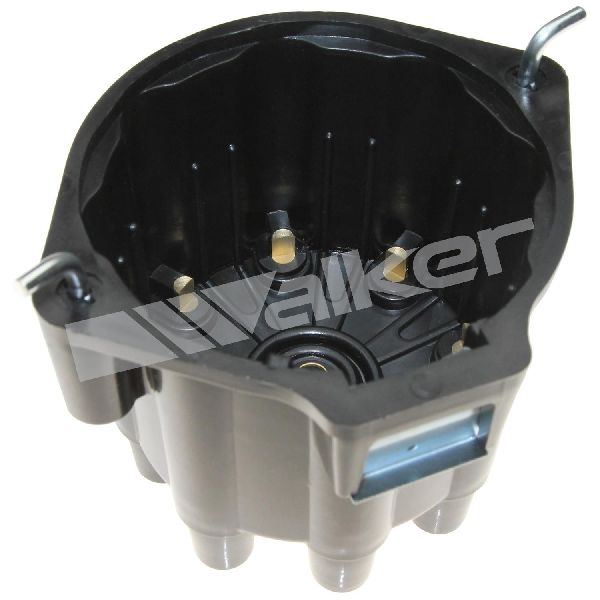
| Standard Aftermarket | Walker Products, Standard Ignition | Aluminum | Daily drivers and standard tune-ups. These caps provide reliable performance and are a cost-effective choice that meets original specifications. |
Always Replace the Rotor
Whenever you replace the distributor cap, you should also replace the distributor rotor. The rotor is the spinning component inside the cap that transfers the spark. It wears out at the same rate as the cap. Most quality caps are sold in a kit with a new rotor.
Known Issues, Recalls, and Service Bulletins
There are no specific recalls or Technical Service Bulletins (TSBs) from the NHTSA related to the distributor cap for the 1969-1970 Chevrolet Estate. This is a simple, mechanical wear part, and failures are typically due to age, mileage, and heat exposure rather than a manufacturing defect. The most common issues are cracks, carbon tracking, and terminal corrosion from normal use.
Frequently Asked Questions (FAQ)
What is the difference between a points-style and an HEI distributor cap?
Your 1969-1970 Estate originally came with a points-style ignition, which uses a smaller diameter cap and a separate, external ignition coil. Some owners upgrade to a later-style High Energy Ignition (HEI) system, which has a much larger cap with the ignition coil built into the top. It is crucial to visually inspect your engine to see which system you have before ordering a part, as the caps are not interchangeable.
What's the difference between brass and aluminum terminals?
Brass is a superior conductor and is more resistant to corrosion and spark erosion than aluminum. Caps with brass terminals generally last longer and provide a more consistent spark, making them a preferred choice for performance and longevity. Aluminum terminal caps are a good, budget-friendly option for standard use.
Can I just clean my old distributor cap?
You can clean minor corrosion or dirt from the terminals as a temporary fix, but it won't solve underlying problems. If the cap is cracked or the terminals are heavily eroded, it must be replaced. Given the low cost of a new cap, replacement is always the recommended solution for a proper tune-up.
How often should I replace my distributor cap?
A distributor cap is a wear-and-tear item. It's good practice to inspect it during every major tune-up and replace it along with the rotor as needed. For a vehicle of this age, a regular inspection every 15,000 to 20,000 miles is a good guideline.
Technical Specifications
Fitment depends on whether the engine has the original points-style distributor or an aftermarket HEI (High Energy Ignition) conversion. Points-style caps are smaller in diameter, while HEI caps are larger and have an integrated coil.
We Have This Part in Stock


The information in this article is provided for general reference and educational purposes only. Vehicle specifications, procedures, and part compatibility can vary by production date, trim level, and region. Always consult your vehicle's factory service manual and verify part numbers before purchasing or performing repairs. Safety-critical components such as airbags, seat belts, and braking systems should be installed by a qualified professional.