

1968-1976 Ford P-350 Brake Light Switch: Function, Symptoms, and Replacement
If your brake lights are failing, the switch is the most likely and easiest part to fix.
- A bad brake light switch will cause your brake lights to fail, stay on, or work intermittently.
- This is a very simple and inexpensive DIY repair that usually takes less than 15 minutes.
- For this vintage, aftermarket parts are the only option; brands like Standard Ignition offer a reliable replacement.
- Driving without functional brake lights is illegal and extremely dangerous; do not operate the vehicle until it is fixed.
Is Your Brake Light Switch Failing?
A faulty brake light switch on a vintage truck like the P-350 creates a serious safety hazard. The symptoms are usually obvious and directly related to your brake lights' function. Because these trucks have simpler electrical systems, troubleshooting is often straightforward. Watch for these key warning signs:
Choosing the Right Aftermarket Switch
For a vintage truck like the 1968-1976 P-350, finding an original Ford (OEM) part is nearly impossible. The aftermarket is your primary source. The good news is that this switch is a simple mechanical part that has been reliably produced by aftermarket companies for decades. You have two main tiers of options:
- Standard Replacement (Standard Ignition): Standard Motor Products (SMP) has been a trusted name for over 100 years. Their parts are known for quality and reliability, often considered a go-to for professional technicians. For a critical safety part, choosing a well-known brand like Standard Ignition is a solid investment.
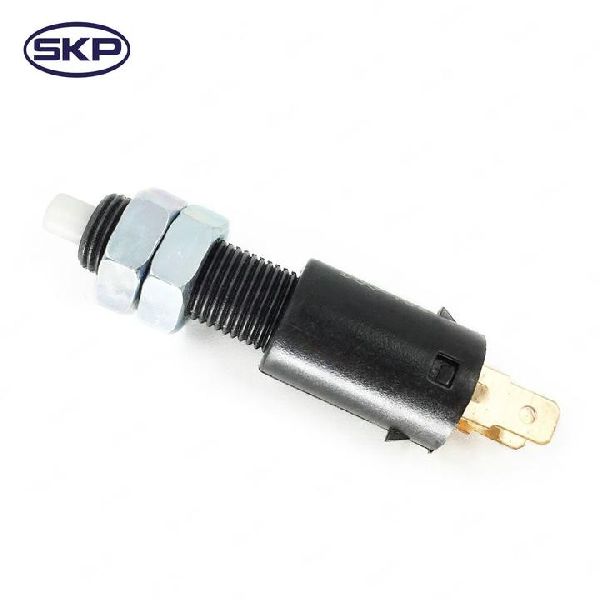
- Economy (Skyward): Skyward is a producer of various aftermarket replacement parts. While there is less public information on brand quality, it serves as a budget-friendly option to get your brake lights working again. For a simple switch like this, an economy brand can be sufficient if budget is the main concern.
Brake Light Switch Replacement Cost
| Item | Estimated Cost |
|---|---|
| Aftermarket Part | $5.40 - $29.97 |
| Shop Labor | $50 - $100 |
| Total (DIY) | $5.40 - $29.97 |
| Total (Installed at Shop) | $55 - $130 |
Pro Tip: Check the Fuse First!
Before you buy a new switch, take a moment to check the fuse for the brake light circuit. A blown fuse will also cause the lights to fail and is a much quicker fix. Also, check the bulbs themselves. This simple step can save you time and money.
Frequently Asked Questions (FAQ)
Where is the brake light switch located?
The brake light switch is mounted on a small clip directly on the brake pedal support structure, located under the dashboard. It is activated by the movement of the brake pedal arm. You will need to look up from the driver's side floor to see it.
Is this a difficult part to replace myself?
No, this is a very easy DIY job that is feasible for beginners. It typically takes less than 15 minutes and requires no special tools. The most difficult part is the uncomfortable position of working under the dashboard.
Why are my brake lights stuck on?
This usually happens when the switch fails internally and the circuit remains permanently closed. It can also happen if the switch is misaligned or improperly installed, causing it to think the pedal is always being pressed. This will drain your battery.
I replaced the switch, but the lights still only work when I press the pedal hard. What's wrong?
This is likely an adjustment or installation issue. The switch needs to be positioned correctly to activate as soon as the pedal moves. On these Ford trucks, the orientation of the switch and the condition of the plastic bushings are very important for proper operation. Ensure the switch is installed correctly and that there isn't excessive play in the pedal mechanism.
Are there any recalls for this part?
No. Searches of the NHTSA database and other records found no recalls or Technical Service Bulletins (TSBs) related to the brake light switch for the 1968-1976 Ford P-350 or its F-series counterparts.
Technical Specifications
2-Terminal Mechanical Switch
We Have This Part in Stock


The information in this article is provided for general reference and educational purposes only. Vehicle specifications, procedures, and part compatibility can vary by production date, trim level, and region. Always consult your vehicle's factory service manual and verify part numbers before purchasing or performing repairs. Safety-critical components such as airbags, seat belts, and braking systems should be installed by a qualified professional.