

Choosing the Right Automatic Transmission Mount for Your 1968-1975 Pontiac LeMans
Stop the clunks and vibrations in your classic LeMans by choosing the correct new transmission mount.
- Listen for clunking when shifting into gear and feel for new vibrations; these are the top signs of a failed mount.
- For a stock, comfortable ride, choose a standard rubber mount; for performance or modified engines, choose a polyurethane mount from a brand like Prothane or Lakewood.
- Replacing the mount is a simple, one-hour DIY job for most home mechanics with a jack and basic tools.
- Avoid driving with a broken mount to prevent damage to other drivetrain components like U-joints and engine mounts.
Is Your LeMans's Transmission Mount Failing?
A bad transmission mount on a classic GM A-body car like your LeMans will make its presence known. Because the original design is a simple rubber block, when it fails, the symptoms are usually obvious. Look for these common signs:
- Clunking Noises: A loud "clunk" or "thump" when you shift from Park into Drive or Reverse is a classic symptom. This sound is the transmission lifting and dropping back into place because the old mount can no longer hold it securely.
- Excessive Vibrations: If you feel new or heavy vibrations through the floor or seat while driving or idling, the rubber in the mount may have collapsed. It's no longer able to dampen the normal vibrations from the drivetrain.
- Engine Movement: A severely failed mount can allow the entire engine and transmission to move excessively during acceleration. This can put stress on engine mounts, driveshaft U-joints, and even exhaust connections.
A Note on Historical Recalls
In the late 1960s and early 1970s, GM had a major recall for defective engine mounts on millions of vehicles, including some model years of the LeMans. The original mounts could separate, allowing the engine to lift, which could jam the throttle open. While this recall focused on engine mounts, it highlights the importance of the entire mount system. A failed transmission mount can put extra stress on your engine mounts. No current recalls are active for this specific part on the NHTSA website.
Choosing Your New Aftermarket Mount
Since original OEM parts for a 1968-1975 LeMans are long gone, you'll be choosing from aftermarket brands. They generally fall into three categories, each with its own pros and cons for a classic car owner.
Tier 1: Standard Rubber Replacements
Brands: Anchor, DEA, Skyward, Pioneer
These brands offer direct, factory-style replacements made of rubber. They are the most affordable option and are designed to restore the original ride quality. For a stock LeMans used for cruising, a standard rubber mount is often the best choice for maintaining comfort. However, be aware that online forum discussions often point out that the quality of budget-friendly rubber mounts can be inconsistent, with some failing sooner than others.
Tier 2: Heavy-Duty & Safety Mounts
Brands: Lakewood
Lakewood offers a mount made from stronger polyurethane that includes a built-in safety lock feature. This design physically prevents the mount from separating, even under high torque from a modified engine. This is an excellent choice for LeMans owners with upgraded engines or those who use their car for performance driving on the street or strip. It provides a significant safety and durability advantage over a standard rubber mount.
Tier 3: Polyurethane Performance Mounts
Brands: Prothane
Prothane specializes in polyurethane (often called "poly") components. A polyurethane mount is much stiffer and more durable than rubber. It will do a better job of limiting transmission movement, which can improve throttle response. The trade-off is a noticeable increase in noise and vibration (NVH - Noise, Vibration, and Harshness) transmitted into the car's cabin. If you have a performance-built LeMans and don't mind feeling more of the road and engine, a poly mount is a great upgrade. If you value a smooth, quiet ride, stick with rubber or a heavy-duty design.
Pro-Tip: Rubber or Poly?
A common rule of thumb among mechanics is to avoid using a stiff polyurethane transmission mount if your engine mounts are still old, soft rubber. The difference in stiffness can put twisting stress on the transmission case. For best results, either use rubber for both engine and transmission mounts, or upgrade both to polyurethane for a balanced setup.
| Part/Service | Estimated Cost |
|---|---|
| New Aftermarket Mount (Standard Rubber) | $9 - $20 |
| New Aftermarket Mount (Polyurethane/Heavy-Duty) | $25 - $35 |
| Shop Labor | $100 - $200 |
Frequently Asked Questions
Is this an easy DIY job?
Yes, for a classic car like the LeMans, this is a great beginner-level project. The job involves supporting the transmission with a jack, unbolting the old mount from the crossmember and transmission, and bolting the new one in. It typically takes about an hour with basic hand tools.
What is the difference between rubber and polyurethane?
Rubber is softer and better at absorbing vibrations, providing a comfortable ride. Polyurethane is a much stronger and stiffer plastic that offers better durability and performance by reducing drivetrain movement, but it transmits more noise and vibration into the car.
Is the LeMans mount the same as for a GTO?
Yes, the Pontiac LeMans and GTO from this era are both GM A-body cars and share the same chassis and many drivetrain components. The transmission mount is typically interchangeable between these models with the same transmission type.
Can I drive with a broken transmission mount?
It is not recommended. While the car may still drive, a broken mount allows for excessive movement that can damage other, more expensive parts like the driveshaft, U-joints, exhaust pipes, and engine mounts. It can also create unsafe driving conditions.
Technical Specifications
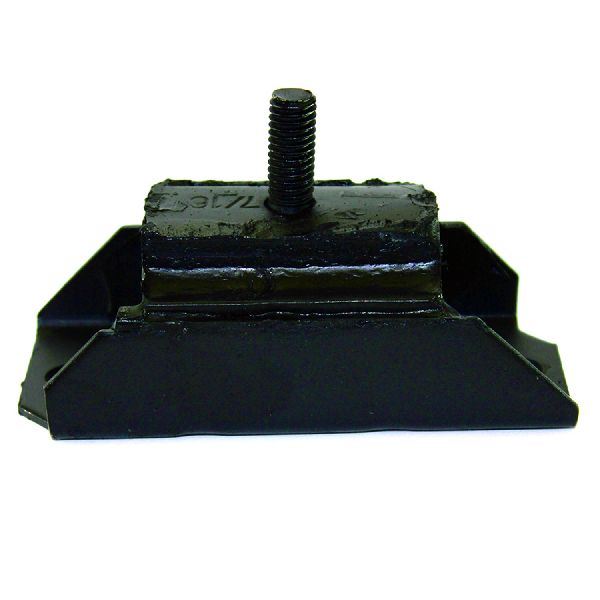
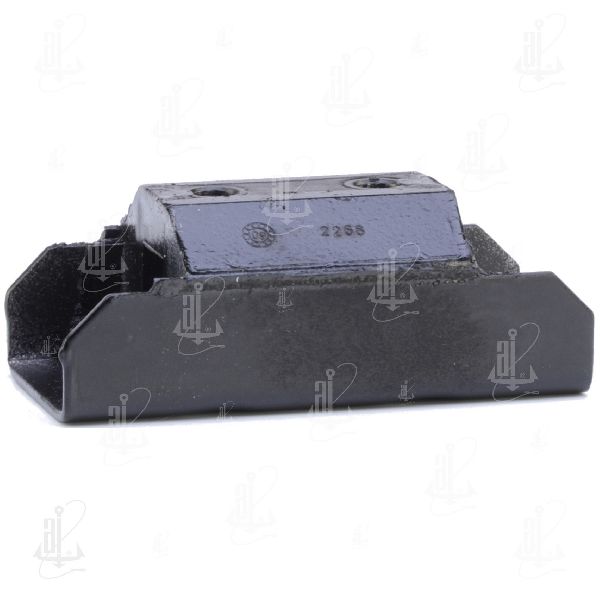
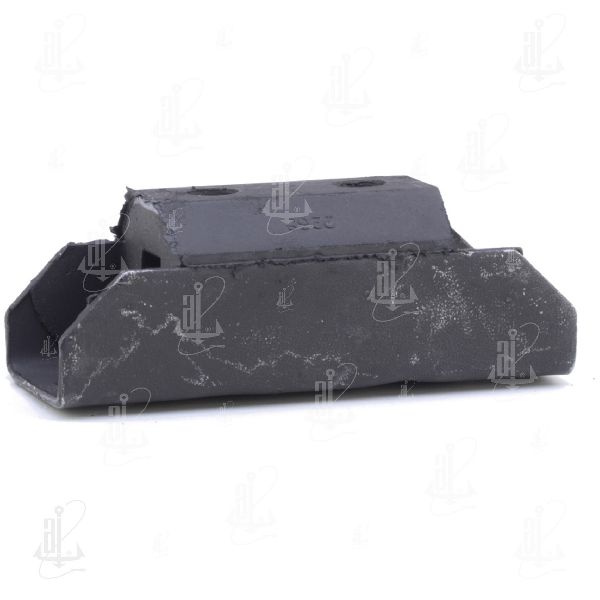
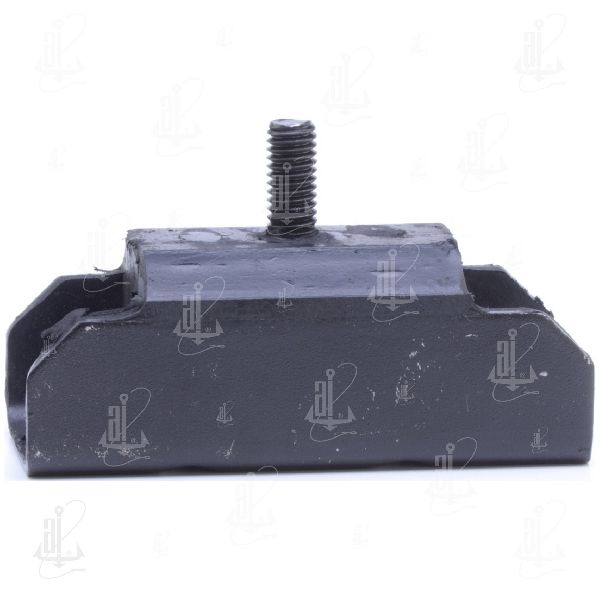
The mount is typically a block of rubber or polyurethane bonded between two metal plates. One side bolts to the transmission tailshaft housing, and the other bolts to the frame's transmission crossmember. Some performance versions may feature an interlocking metal design for safety.
We Have This Part in Stock


The information in this article is provided for general reference and educational purposes only. Vehicle specifications, procedures, and part compatibility can vary by production date, trim level, and region. Always consult your vehicle's factory service manual and verify part numbers before purchasing or performing repairs. Safety-critical components such as airbags, seat belts, and braking systems should be installed by a qualified professional.