

Jeep CJ5 Voltage Regulator: A Guide for 1968-1975 Models
If you're dealing with dimming lights or a battery that won't stay charged, your CJ5's voltage regulator could be the culprit.
- First, confirm if your CJ5 has an external regulator on the firewall or an internal one inside the alternator.
- Symptoms like dim/bright lights and a constantly dead battery are strong indicators of a failing regulator.
- Modern electronic aftermarket regulators from brands like Standard Ignition and Omix-Ada are more reliable than the original mechanical parts.
- Before replacing, always check your battery connections and main ground wires for corrosion and tightness.
Is Your Regulator External or Internal?
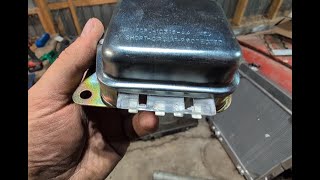
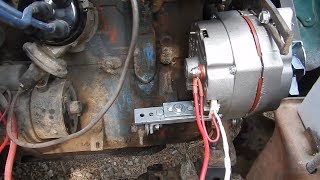
Before buying a new part, the first step is to identify what kind of voltage regulator your CJ5 has. During this era, many Jeeps came from the factory with an external voltage regulator. This is a separate, rectangular metal box, usually mounted on the firewall in the engine bay, with a wiring plug attached. However, it's very common for these classic Jeeps to have been upgraded over the years to an alternator with an internal voltage regulator. If you can't find a separate regulator box on the firewall, your regulator is likely inside the alternator itself, and you would need to replace the entire alternator assembly. This guide focuses on replacing the separate, external-style regulator.
🎬 Watch: How to convert your Jeep from generator to alternatorCommon Symptoms of Failure
A failing voltage regulator can cause a range of frustrating electrical problems. Because the voltage is no longer stable, you might notice several issues at once.
- Flickering or Dimming Lights: Your headlights and dash lights may dim at idle and then brighten as you rev the engine. This is a classic sign of unstable voltage output.
- Excessively Bright Lights & Burned Out Bulbs: If the regulator fails and allows the alternator to overcharge the system, your lights may appear unusually bright, and you may find yourself replacing bulbs frequently.
- Dead Battery: A regulator that isn't allowing the alternator to charge properly will leave you with a battery that is constantly drained and a Jeep that won't start.
- Battery Damage: In an overcharging situation, you might notice a smell like rotten eggs or see the battery case swelling or bubbling. This is a serious condition where the battery acid is boiling, which can permanently damage the battery and is a safety hazard.
- Engine Performance Issues: Inconsistent voltage can sometimes cause the engine to hesitate, stall, or run rough because the ignition system isn't getting steady power.
Warning: Check Your Battery and Grounds First
The simple electrical systems in these older Jeeps are very sensitive to bad connections. Before replacing parts, always make sure your battery terminals are clean and tight, and check that the main ground wires from the engine to the frame and body are secure and free of corrosion. A bad ground can cause many of the same symptoms as a failed regulator.
🎬 See this guide on fixing Jeep CJ grounds and fusesChoosing the Right Aftermarket Regulator
For a vintage vehicle like the '68-'75 CJ5, new factory original (OEM) parts are generally not available. The original regulators were mechanical, using points to control voltage. Modern aftermarket replacements are typically solid-state electronic units, which are a significant upgrade in reliability and performance.
Brand Quality Tiers
- Standard Ignition (Standard Motor Products): Often considered a premium aftermarket brand, Standard Ignition emphasizes durability. Their regulators feature circuit boards encapsulated in epoxy, which helps protect the sensitive electronics from vibration and corrosion—two things every Jeep owner is familiar with. This is a great choice if you prioritize long-term reliability.
- Omix-Ada: As one of the largest suppliers of aftermarket Jeep parts, Omix-Ada provides a reliable, direct-fit replacement that meets or exceeds original factory standards. These are a solid, widely available choice for getting your charging system back in order.
| Part Type | Estimated Cost |
|---|---|
| New Aftermarket Regulator | $35.65 - $155.12 |
| Shop Labor for Installation | $50 - $100 |
Pro Tip: Easy DIY Replacement
Replacing an external voltage regulator is one of the easiest electrical jobs you can do on your CJ5. It's typically held to the firewall with two small bolts and has a single wiring plug. The entire job can usually be done in under 30 minutes with basic hand tools.
Frequently Asked Questions
Can I drive with a bad voltage regulator?
It is not recommended. If it's undercharging, you risk the vehicle stalling and leaving you stranded once the battery is depleted. If it's overcharging, you risk expensive damage to the battery, lightbulbs, and potentially other electronics.
How do I test my voltage regulator?
The easiest way is with a multimeter. Set the multimeter to DC volts and connect it to your battery terminals while the Jeep is running. A healthy charging system should read between 13.5 and 14.5 volts. If the reading is below 13 volts or above 15 volts, and you know the alternator is good, the regulator is the likely suspect.
🎬 Watch: How to test your external regulator vs the alternatorWhat's the difference between a mechanical and an electronic regulator?
Original regulators were often mechanical, using physical contact points to switch the charging circuit on and off. These points can wear out, corrode, or get stuck. Modern electronic regulators use solid-state circuitry (transistors) to do the same job with no moving parts, making them much more reliable and precise.
Why are my new aftermarket gauges not working correctly with the new regulator?
Some original CJ gauge clusters used a built-in voltage limiter on the back of the speedometer to step the voltage down for the fuel and temp gauges. If you are installing new gauges, make sure they are compatible with a full 12-volt system or that you have the correct sending units. Sometimes, polarity issues on aftermarket parts can also cause incorrect readings.
Helpful Videos
![Mopar Charging System Testing [External Voltage Regulator]](https://img.youtube.com/vi/62YhcrgjA5I/mqdefault.jpg)
Technical Specifications
OEM Part Numbers: 8125176
Typically a 12-volt, 2, 3, or 4-terminal external electronic unit, depending on the specific year and original alternator setup.
We Have This Part in Stock


The information in this article is provided for general reference and educational purposes only. Vehicle specifications, procedures, and part compatibility can vary by production date, trim level, and region. Always consult your vehicle's factory service manual and verify part numbers before purchasing or performing repairs. Safety-critical components such as airbags, seat belts, and braking systems should be installed by a qualified professional.