

Speedometer Cable Guide for 1968-1974 Dodge W300 Pickup
Fix your bouncing or dead speedometer needle with the right parts and information for your classic Dodge truck.
- A bouncing needle or squealing noise from the dash are classic signs your speedometer cable is failing.
- Aftermarket cables are the standard repair; ATP and Pioneer offer good value, while Lokar is a premium, cut-to-fit option.
- You MUST lubricate the new inner cable with graphite or lithium grease before installation to ensure a long life.
- Route the new cable carefully, avoiding sharp bends or proximity to the hot exhaust manifold to prevent premature failure.
Is Your Speedometer Acting Up?
A faulty speedometer cable is the most common reason for speedometer problems in a vintage Dodge W300. Because it's a mechanical part with a spinning inner core, it wears out over time. Symptoms usually start small but get worse. Addressing them early ensures you have a reliable speed reading, which is crucial for safety and avoiding tickets.
Symptoms of a Failing Speedometer Cable
If you notice any of these issues, your speedometer cable is the most likely culprit:
- Bouncing Needle: The speedometer needle jumps around erratically, especially at lower speeds. This is often the first sign that the inner cable is binding due to lack of lubrication or a kink in the housing.
- Whining or Grinding Noise: A dry or frayed cable can make a noticeable squealing or grinding noise from behind the dashboard as it struggles to spin smoothly.
- Inaccurate or No Speed Reading: If the needle doesn't move at all or is stuck at zero, the inner cable has likely snapped. This can happen from age or if the speedometer head itself has seized, which then breaks the cable.
Choosing the Right Aftermarket Cable
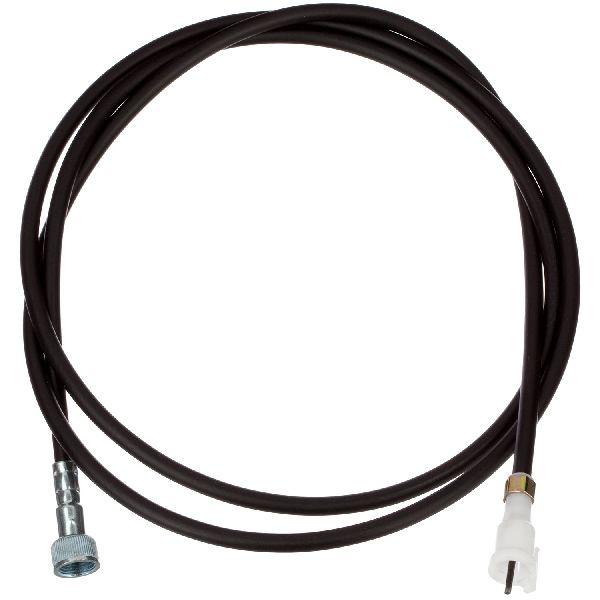
Original factory speedometer cables for a truck of this era are no longer made. Aftermarket parts are the standard and reliable choice for this repair. There are generally two tiers of aftermarket cables available.
Tier 1: Standard Replacement (ATP & Pioneer Cable)
Brands like ATP and Pioneer Cable offer direct-fit, budget-friendly replacements. For a simple mechanical part like a speedometer cable, these brands provide good value and are designed to function like the original part. Reviews show they are a popular choice that fits and works correctly for many classic vehicles. However, it is highly recommended to lubricate the inner cable with graphite or lithium grease before you install it, as they may not be well-lubricated from the factory.
Tier 2: Premium / Custom-Fit (Lokar)
Lokar is a premium brand known for high-quality, durable components. Their speedometer cables often feature upgrades like a PTFE-lined housing for smoother operation and billet aluminum fittings. Lokar cables are typically "U-Cut-to-Fit," meaning you get a long cable that you trim to the perfect length for your specific truck, which is ideal for custom applications. This is a higher-cost option but offers top-tier quality and longevity.
Pro Tip: Lubricate Before You Install!
The single most important step for ensuring a long life for your new cable is to lubricate it. Pull the inner drive cable completely out of the outer housing. Apply a thin coat of speedometer cable lubricant, graphite lubricant, or white lithium grease along its entire length. Then, re-insert it into the housing. This simple step prevents binding and ensures smooth, quiet operation.
Aftermarket Speedometer Cable Cost for 1968-1974 Dodge W300 Pickup
| Brand Tier | Price Range | Notes |
|---|---|---|
| Standard (ATP, Pioneer) | $20 - $40 | Direct-fit, good value. Lubrication before install is recommended. |
| Premium (Lokar) | $120 - $150 | Cut-to-fit, premium materials, ideal for custom or high-end builds. |
Common Ordering Mistake: Check Your Length and Ends!
Before ordering, it's a good idea to check the length and connection types of your old cable if possible. Cables for these trucks were made in different lengths (e.g., 80-inch, 100-inch) and could have different threaded nuts for the transmission and speedometer ends. Verifying what you need can prevent the hassle of a return.
Frequently Asked Questions
Is it hard to replace a speedometer cable on a Dodge W300?
No, it is a relatively simple job for a DIY mechanic. It involves unscrewing the cable from the back of the instrument cluster and from the transmission, carefully routing the new cable to avoid kinks, and attaching the new one. Accessing the back of the speedometer can be the most challenging part.
My new cable broke right away. What happened?
This is almost always caused by one of two things: either the speedometer head (the gauge itself) is seized, or the cable was routed with a sharp bend or kink. A seized gauge will not spin, causing the cable to twist until it snaps. A sharp kink will cause the inner cable to bind and break.
Do I need a special tool to install a speedometer cable?
For direct-fit cables (ATP, Pioneer), you typically only need basic hand tools. For cut-to-fit cables like those from Lokar, the kit often includes a special tool to crimp the new end on after you've cut the cable to the desired length. A staking tool may be included with universal kits.
What kind of lubricant should I use on the cable?
Use a specific speedometer cable lubricant, a dry graphite lubricant, or a light coat of white lithium grease. Do not use heavy grease, as it can gum up and cause the cable to bind, especially in cold weather.
Technical Specifications
The speedometer cable is a mechanical component consisting of a flexible inner drive cable within a protective outer housing. It connects the transmission output to the speedometer head. Different lengths (e.g., 80", 100") and thread sizes (e.g., 7/8"-18, 5/8"-18) exist, so checking your specific application is recommended.
We Have This Part in Stock


The information in this article is provided for general reference and educational purposes only. Vehicle specifications, procedures, and part compatibility can vary by production date, trim level, and region. Always consult your vehicle's factory service manual and verify part numbers before purchasing or performing repairs. Safety-critical components such as airbags, seat belts, and braking systems should be installed by a qualified professional.