

Suspension Stabilizer Bar Bushing Kit for the 1968-1974 Chevrolet P30 Van
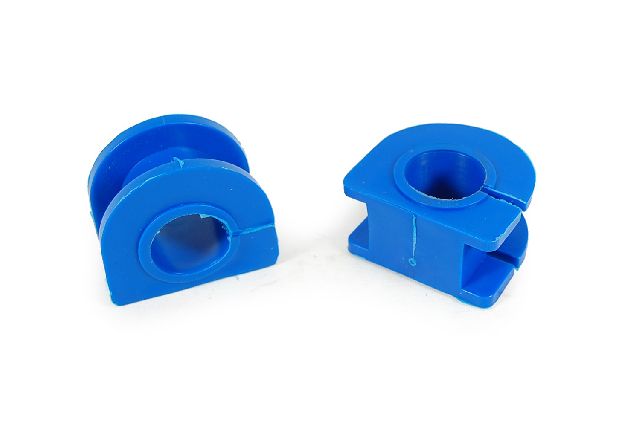
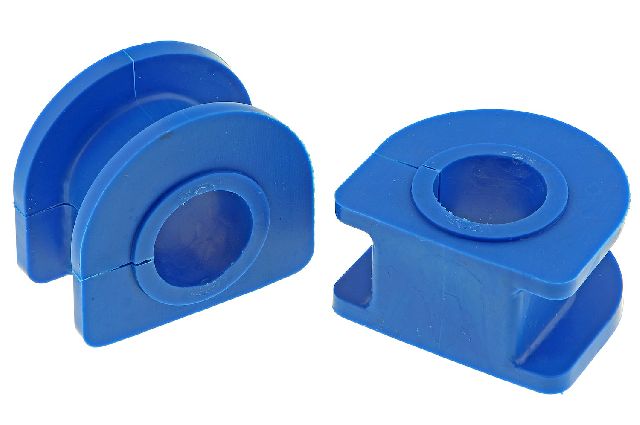
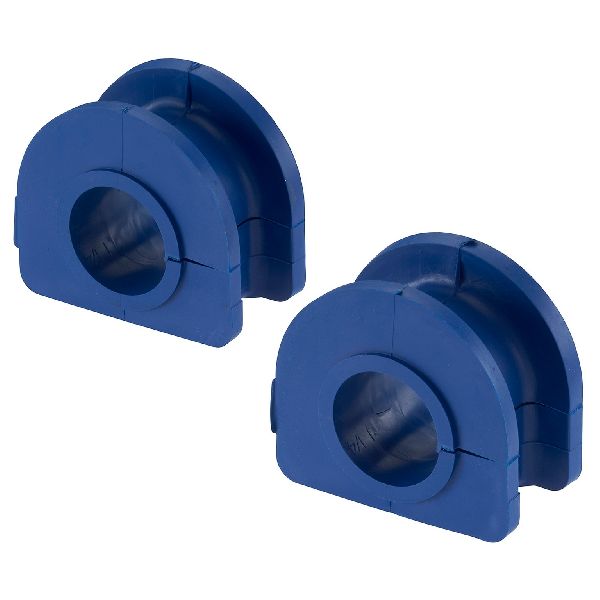
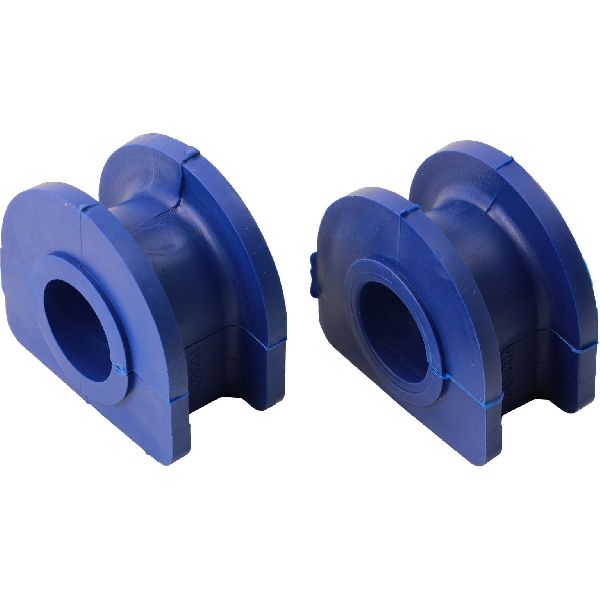
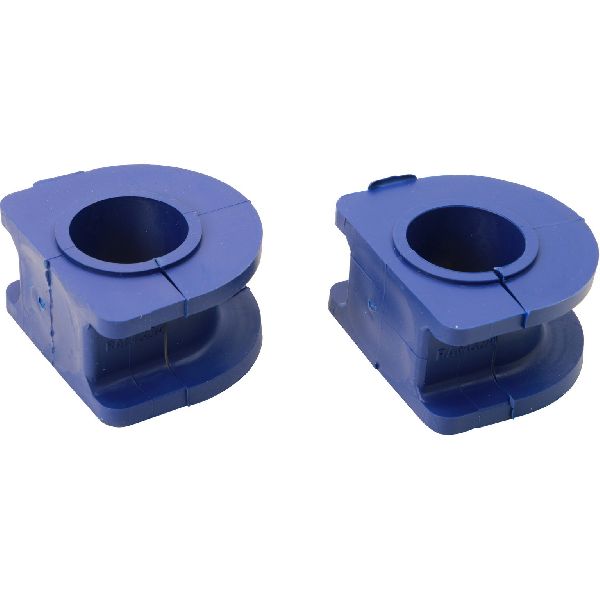
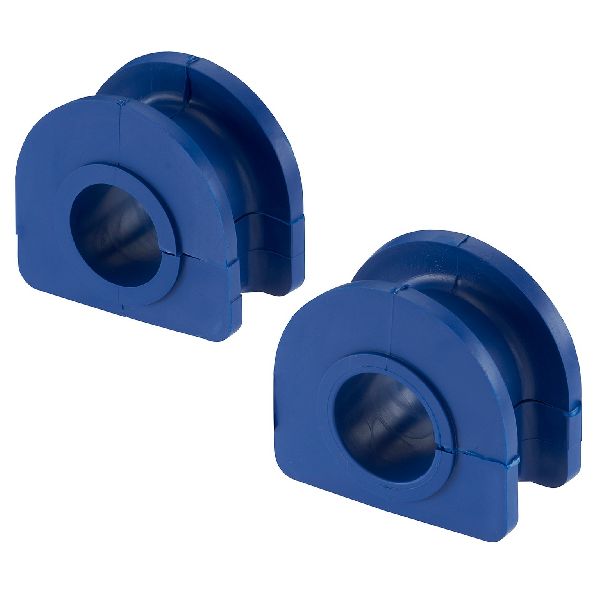
Eliminate clunking noises and reduce body roll by replacing your P30 Van's worn stabilizer bar bushings.
- You must measure your P30's stabilizer bar diameter before ordering to ensure you get the correct size bushings.
- Choose between standard rubber bushings (from brands like Moog or Dorman) for an original ride or upgrade to polyurethane (from Energy Suspension) for better handling and durability.
- Common symptoms of failure include clunking noises over bumps and excessive body lean in turns.
- It is highly recommended to replace the sway bar end links at the same time as the frame bushings for a complete repair.
Symptoms of Failing Stabilizer Bar Bushings
Worn stabilizer bar bushings on your P30 Van will typically make themselves known through distinct noises and changes in handling. The most common sign is a clunking or knocking sound coming from the front suspension when you drive over bumps, potholes, or uneven road surfaces. You may also notice excessive body roll, where the van leans more than usual in corners, making it feel less stable. A loose or unresponsive feeling in the steering can also be a symptom. In some cases, you can physically see that the rubber bushings are cracked, shrunken, or have deteriorated.
A Critical Check: Measure Before You Buy
Chevrolet P30 Vans from this era could be equipped with different stabilizer bar sizes depending on the specific chassis configuration and options. It is absolutely essential to measure the diameter of your van's stabilizer bar before ordering a new bushing kit. Using a caliper is the most accurate method, but an open-end wrench can also give you a close enough measurement to select the correct size. Ordering the wrong size will result in a part that does not fit.
Choosing the Right Aftermarket Bushing Kit
Since Original Equipment Manufacturer (OEM) parts for this vintage of a vehicle are generally not available, the market consists entirely of aftermarket brands. Your main choice will be between standard rubber bushings and performance-oriented polyurethane bushings.
Material Matters: Rubber vs. Polyurethane
- Rubber Bushings: These provide a ride feel similar to the original factory parts. They are quiet and effective at absorbing vibrations. Brands like Moog, Mevotech, Dorman, and Delphi offer quality rubber or synthetic rubber replacements that are excellent for a stock restoration. Moog is often considered a premium aftermarket option, sometimes featuring improved designs over the original.
- Polyurethane Bushings: These are a popular upgrade for improved performance and durability. Polyurethane is a much stiffer material than rubber, which means it holds the sway bar more firmly. This results in quicker handling response and less body roll. Energy Suspension is a leading brand for polyurethane bushings. The main trade-offs are a potentially firmer ride and the possibility of squeaking if they are not installed with the proper grease.
Brand Tiers for Your P30 Van
- Premium / Performance (Polyurethane): Energy Suspension is the go-to brand if you want the durability and enhanced handling of polyurethane. This is a great choice for heavily loaded work vans or RV conversions where maximum stability is desired.
- Premium Replacement (Rubber/Synthetic): Moog is a top-tier choice for a high-quality rubber or thermoplastic replacement that often exceeds original quality. They are known for durability and a good fit.
- Standard Replacement: Brands like Dorman, Mevotech, Delphi, and QuickSteer offer reliable, budget-friendly options that will restore the original performance and feel of your suspension. They are a solid choice for daily driving and general use.
| Item | Price Range |
|---|---|
| New Aftermarket Bushing Kit (Rubber/Synthetic) | $8.47 - $35.00 |
| New Aftermarket Bushing Kit (Polyurethane) | $25.00 - $67.19 |
| Shop Labor | $75 - $150 |
Pro Tip: Replace the End Links Too
While you are replacing the frame bushings, it's a good idea to inspect and likely replace the sway bar end links. These connect the ends of the stabilizer bar to the suspension and have their own bushings that also wear out. Replacing the bushings and links at the same time ensures the entire stabilizer system is restored to optimal condition.
Frequently Asked Questions (FAQ)
What's the difference between rubber and polyurethane bushings?
Rubber bushings provide a softer, quieter ride similar to the original factory feel. Polyurethane bushings are much firmer and more durable, offering improved handling and stability at the cost of a potentially stiffer ride. Polyurethane also requires proper lubrication during installation to prevent squeaking.
Do I need special tools to replace stabilizer bar bushings?
No, special tools are generally not required. The job can be done with basic hand tools like a socket set and wrenches. The most difficult part is often dealing with rusted bolts due to the vehicle's age. Using a penetrating oil can help loosen them.
How do I know what size bushings to buy for my P30 Van?
You must measure the diameter of your van's stabilizer bar. Different sizes were used, so you cannot rely on the year and model alone. Use a caliper or an open-end wrench to find the correct diameter before ordering parts.
Are there any recalls for the suspension on my 1968-1974 P30 Van?
Searches of the National Highway Traffic Safety Administration (NHTSA) database did not show any recalls for the stabilizer bar or its bushings for this specific vehicle range. Any recalls for vehicles of this age would have expired long ago.
Technical Specifications
The most critical specification is the stabilizer bar diameter. Common sizes for Chevrolet trucks and vans of this era range from 26mm (1-1/16") up to 33mm (1-5/16") or larger. Measurement is required for an accurate fit.
We Have This Part in Stock

The information in this article is provided for general reference and educational purposes only. Vehicle specifications, procedures, and part compatibility can vary by production date, trim level, and region. Always consult your vehicle's factory service manual and verify part numbers before purchasing or performing repairs. Safety-critical components such as airbags, seat belts, and braking systems should be installed by a qualified professional.