

Choosing the Right Spark Plug Wire Set for Your 1968-1974 Chevrolet P20 Van
Get your classic P20 van running smoothly with a new set of spark plug wires that deliver reliable spark and performance.
- You must confirm if your P20 has an inline-6 or V8 engine before ordering to get the correct wire set.
- For stock reliability, choose a reputable OEM-quality brand like ACDelco or NGK.
- To prevent mixing up the firing order, replace the wires one at a time.
- If you have aftermarket headers, consider wires with high-temperature silicone or ceramic boots for added heat protection.
Signs of Failing Spark Plug Wires
The spark plug wires in your P20 van live in a harsh environment, exposed to constant heat and vibration. Over time, the insulation can become brittle and crack, and the internal conductor can break down. When this happens, you'll notice a decline in your van's performance.
Common symptoms of bad spark plug wires include:
- Rough Idle: The engine may shake, sputter, or vibrate when the van is stopped.
- Engine Misfires: You might feel a hesitation or stumble from the engine, especially when accelerating or under load.
- Difficulty Starting: A weak or inconsistent spark can make the engine turn over more than usual before it starts.
- Reduced Power: The van may feel sluggish and slow to accelerate.
- Worse Fuel Economy: An inefficient engine burns more fuel to do the same amount of work.
- Visible Damage: If you inspect the wires, you may see cracks, burn marks, or melted spots on the outer rubber jacket. In a dark garage, you might even see blue sparks arcing from a damaged wire to a metal part of the engine while it's running.
Choosing the Right Aftermarket Wire Set
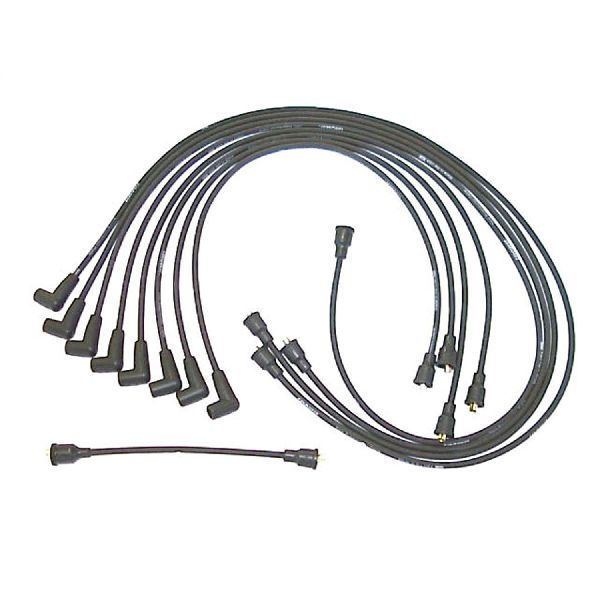
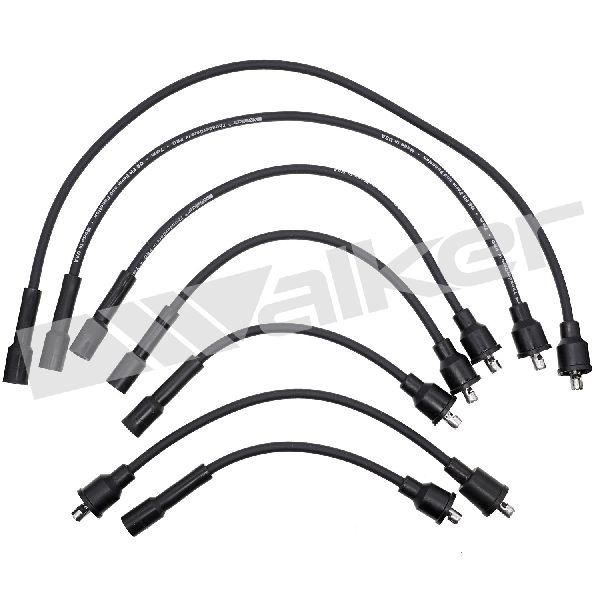
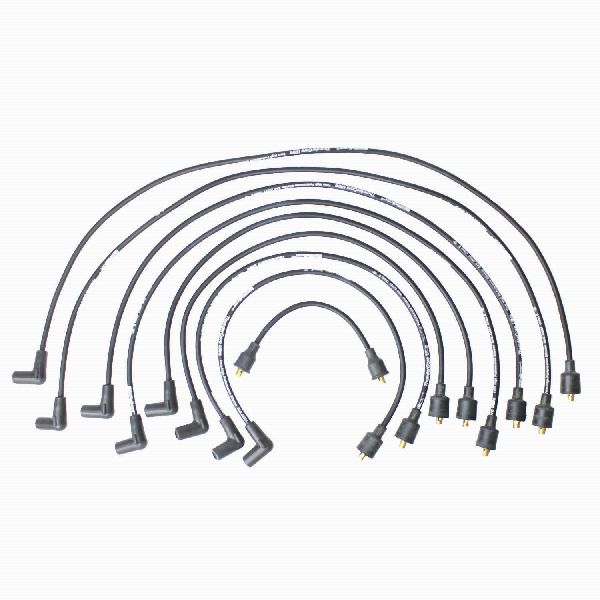
For a vintage vehicle like the 1968-1974 P20, new original equipment (OEM) parts are generally not available. However, the aftermarket offers a wide range of quality options. The most important step is to confirm your engine size before buying. These vans were offered with several engines, including the 250 and 292 cubic inch inline-6 (I-6) and the 307, 350, and 454 cubic inch V8s. A V8 set will have more wires than an I-6 set.
What About Wire Diameter?
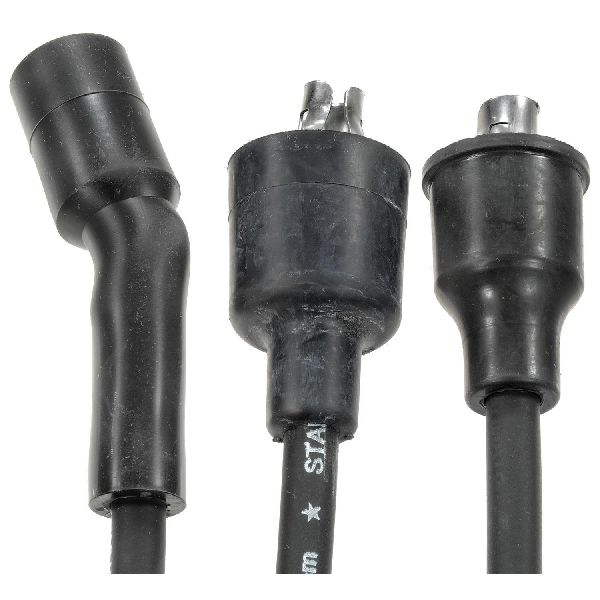
Original wires were typically 7mm in diameter. Many aftermarket sets are 8mm, 8.5mm, or even larger. A thicker wire provides better insulation, which helps prevent voltage leaks and protects against heat damage. For a stock P20 engine, a quality 7mm or 8mm set is perfectly fine. If you have aftermarket headers that run close to the plugs, a larger diameter wire with high-temp silicone boots can provide extra protection.
Brand Quality Tiers
With dozens of products available, it helps to group them by reputation and intended use.
Tier 1: OEM-Quality & Dependability
These brands are known for making reliable, long-lasting parts that meet or exceed original factory specifications. They are an excellent choice for a daily driver or work van where reliability is the top priority.
- ACDelco: As GM's original parts division, ACDelco is a trusted choice for a stock-like fit and performance.
- NGK: A top-tier manufacturer highly regarded for its ignition components. Known for excellent quality control and durability.
- Standard Motor Products (SMP): A well-respected aftermarket brand that offers quality parts, often considered a step up from basic auto store brands.
- Denso: Another major OEM supplier known for high-quality ignition parts.
Tier 2: Performance & Value
These brands are popular in the performance and restoration communities. They often feature lower-resistance wire and better heat protection, making them a good upgrade for modified engines or for owners who want a bit more performance.
- Taylor Cable: Known for making quality, street-friendly performance wires with good heat resistance.
- Pertronix: A popular name in classic ignition systems, offering reliable performance wire sets to complement their electronic ignition conversions.
- Accel: Offers a wide range of performance wires, including sets with ceramic boots for extreme heat protection near exhaust headers. However, some users have reported inconsistent quality with other Accel ignition products.
A Note on Installation
To avoid mixing up the engine's firing order, always replace the spark plug wires one at a time. Remove one old wire, match its length to a new wire, and install the new one completely before moving to the next cylinder.
Frequently Asked Questions
Should I replace my spark plugs at the same time?
Yes, it is highly recommended. New wires deliver a strong spark, and you'll get the most benefit with fresh spark plugs. Since you'll already be working in the same area, replacing them together saves you from doing the job twice.
What is the difference between carbon core and spiral core wires?
Original wires used a carbon core, which has high electrical resistance. Most modern aftermarket performance wires use a spiral core, where a conductor is wound around a magnetic core. This design has much lower resistance, allowing more energy to reach the spark plug for a hotter spark, while still suppressing the radio frequency interference (RFI) that can cause static in your radio.
Do I need special tools to change spark plug wires?
No special tools are required. A set of spark plug boot pliers can make it easier to remove the old wires without damaging them, but they are not essential. Applying a small amount of dielectric grease to the inside of the new boots helps seal out moisture and makes future removal much easier.
My van has aftermarket headers. Do I need special wires?
If your exhaust headers run very close to the spark plugs, heat can destroy standard wires quickly. In this case, consider a wire set with high-temperature silicone or ceramic boots for added protection. Brands like Accel and Taylor offer these options.
Technical Specifications
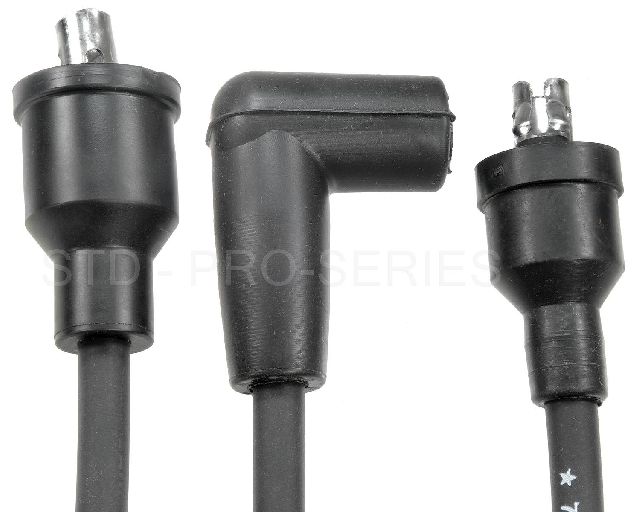
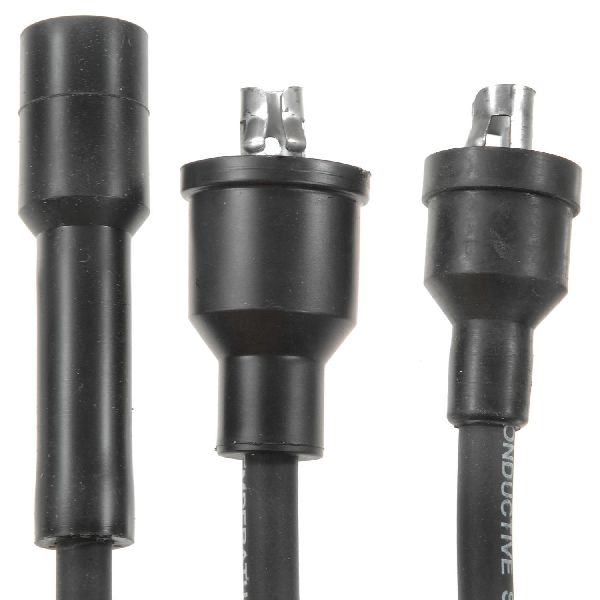
Engine-specific fitment (I-6 or V8). Wire diameters typically range from 7mm to 8.5mm. Conductor types include carbon core (original style) and spiral wound (performance). Boot material is typically silicone, with ceramic options for high-heat applications.
We Have This Part in Stock

The information in this article is provided for general reference and educational purposes only. Vehicle specifications, procedures, and part compatibility can vary by production date, trim level, and region. Always consult your vehicle's factory service manual and verify part numbers before purchasing or performing repairs. Safety-critical components such as airbags, seat belts, and braking systems should be installed by a qualified professional.