

A Rover 2000 Owner's Guide to Universal Joint Replacement (1968-1973)
Understanding the clicks, clunks, and vibrations from your P6's drivetrain and how to fix them.
- The Rover 2000 uses U-joints on both the main propshaft and the rear axle half-shafts; verify which one you need before buying.
- Symptoms progress from a low-speed squeak to a clunk when shifting, and finally to a high-speed vibration.
- Dana Spicer is the most highly recommended aftermarket brand for a durable, long-lasting repair.
- Driving with a failed U-joint is dangerous and can cause the driveshaft to detach, leading to a loss of control or severe damage.
Symptoms of a Failing Universal Joint
A worn U-joint is usually easy to diagnose by the sounds it makes. The most common cause of failure is simply age and lack of lubrication, where the grease inside the bearing caps dries out, causing metal-on-metal contact. Ignoring the signs can lead to complete failure, where the driveshaft can separate and cause severe damage.
- Clunking or Clanking Noise: A loud 'clunk' when you shift from drive to reverse or take your foot off the clutch is a classic sign. This sound is the slack in the worn-out joint being taken up.
- Squeaking at Low Speeds: A rhythmic squeak that matches your wheel speed, especially when first starting to drive, points to a dry U-joint bearing.
- Vibration at Highway Speeds: As the wear gets worse, the driveshaft can become unbalanced, causing a noticeable vibration you can feel through the floor of the car. This vibration will only occur when the vehicle is moving.
Critical Locations on Your Rover 2000
Your 1968-1973 Rover 2000 uses U-joints on both the main propshaft and the rear axle half-shafts. When ordering, it is critical to confirm which U-joint you are replacing, as they may be different sizes. A failure in either location can make the car undrivable.
Choosing the Right Aftermarket U-Joint
Original Rover parts are scarce, but the aftermarket offers several reliable options. The quality can vary, so choosing a good brand is important for a long-lasting repair. Based on general mechanic and owner consensus for classic cars, brands can be grouped into tiers.
Premium / Heavy-Duty Choice
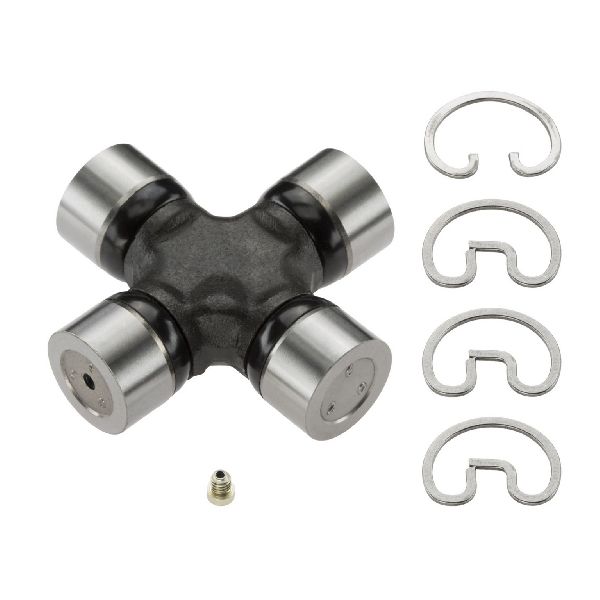
Dana Spicer: This brand is widely considered the gold standard for U-joints. Mechanics and experienced owners consistently recommend Spicer for its durability, quality materials, and reliable performance, making it an excellent choice if you want a fit-and-forget repair. They are often the original equipment manufacturer for many vehicles.
Standard Replacement Choice
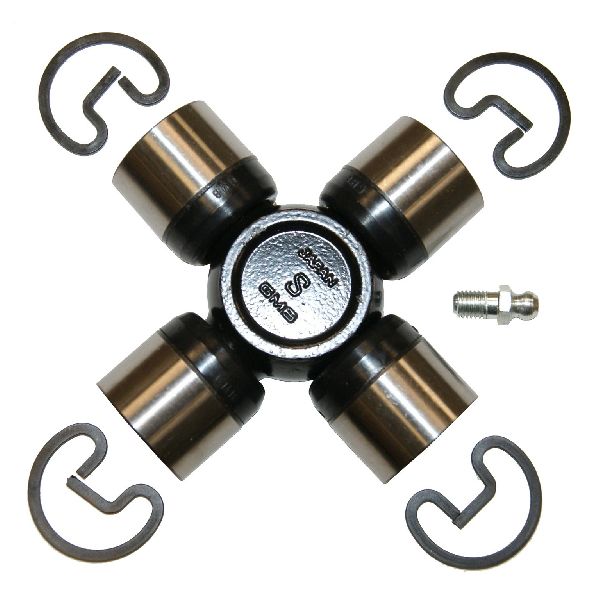
GMB: GMB is a well-known aftermarket manufacturer that produces a wide range of automotive parts, including U-joints. They are a solid, budget-friendly option for a standard replacement and are generally considered a reliable choice for daily driving.
Use With Caution
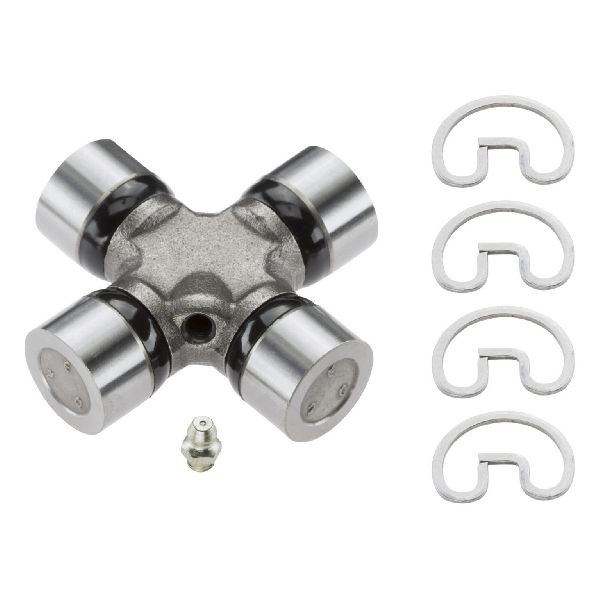
Moog: While Moog has a strong reputation for other suspension parts, their U-joints receive mixed reviews. Some owners report premature failures or inconsistent quality in recent years. While a Moog part may perform adequately, be aware that owner feedback is not as consistently positive as it is for a brand like Spicer.
Greasable vs. Sealed U-Joints
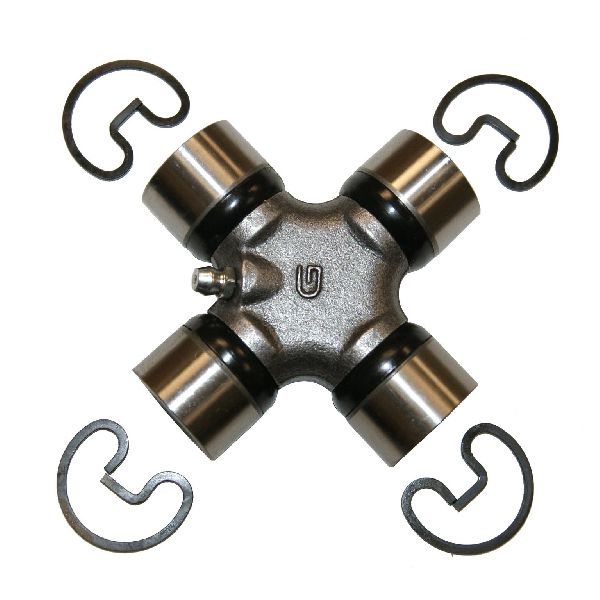
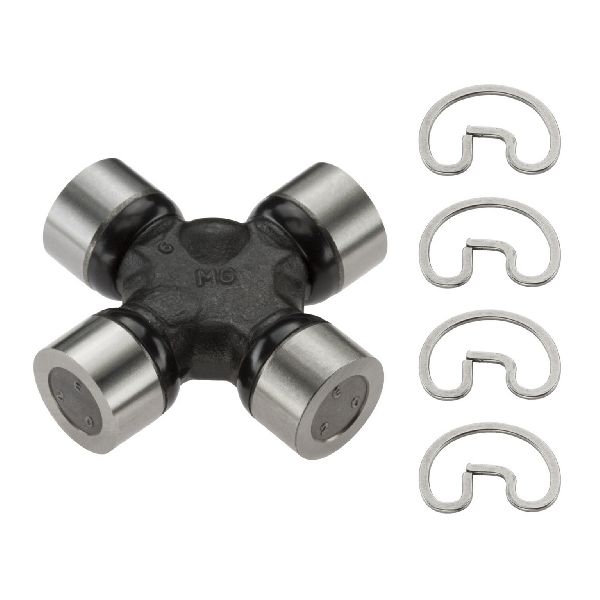
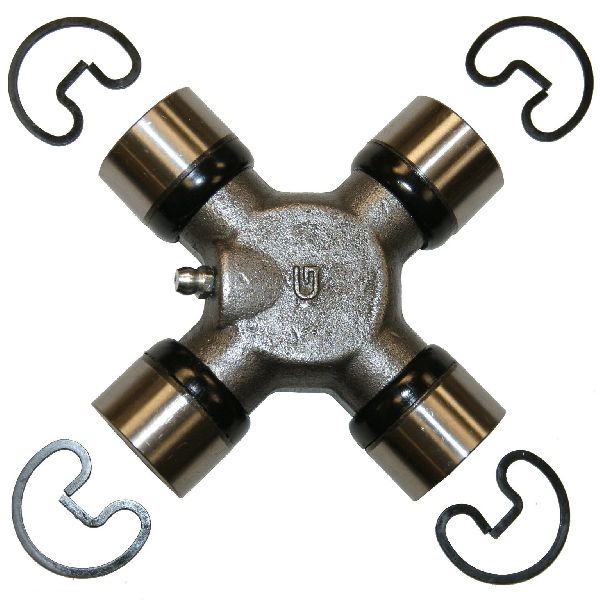
You will find both sealed (non-greasable) and greasable aftermarket U-joints. Sealed joints are like the original parts—they are lubricated for life. Greasable joints have a small nipple (zerk fitting) that allows you to add fresh grease periodically. Greasable joints can last longer but only if they are regularly maintained. For most owners, a high-quality sealed joint from a brand like Spicer is the most reliable, maintenance-free option.
Estimated Costs for Universal Joint Replacement
| Part Type | Estimated Cost (Per Joint) |
|---|---|
| New Aftermarket | $18.53 - $237.75 |
| Shop Labor | $150 - $300 |
| New OEM | Unavailable |
Cost estimates are for a single U-joint and do not include taxes or potential shipping fees. Shop labor can vary by location and the specific joint being replaced (propshaft vs. axle shaft).
Frequently Asked Questions
Can I replace a U-joint myself?
This is a DIY-feasible job for someone with mechanical experience. It requires safely lifting the vehicle, removing the propshaft or axle shafts, and using a bench vise or a hydraulic press to remove the old joint and install the new one. If you don't have these tools or experience, it's best left to a professional.
Are the propshaft and axle shaft U-joints the same on my Rover 2000?
Not always. It is very important to verify the part number for the specific location you are working on. Suppliers often list different parts for the propshaft versus the axle shafts. Measure your old joint or check part catalogs carefully before ordering.
Do I need to balance my driveshaft after replacing the U-joints?
If you are only replacing the U-joints, it is good practice to mark the driveshaft flanges before disassembly so you can put them back in the same orientation. This helps maintain the original balance. If you still have a vibration after replacement, having the shaft professionally balanced at a driveline shop is recommended.
Were there any recalls for the Rover 2000 universal joints?
No recalls or technical service bulletins (TSBs) related to universal joint failure were found in the NHTSA database for the 1968-1973 Rover 2000. Any failures are typically due to normal wear and tear over the life of the vehicle.
Technical Specifications
Propshaft U-Joint Dimensions: 26.9mm bearing cap diameter, 81.75mm span. Axle shaft U-joint dimensions may vary. Always confirm fitment for your specific application.
We Have This Part in Stock

The information in this article is provided for general reference and educational purposes only. Vehicle specifications, procedures, and part compatibility can vary by production date, trim level, and region. Always consult your vehicle's factory service manual and verify part numbers before purchasing or performing repairs. Safety-critical components such as airbags, seat belts, and braking systems should be installed by a qualified professional.