

Ignition Coil Guide for the 1968-1971 BMW 2800CS
Keep your classic coupe running strong by understanding how to choose the right replacement ignition coil.
- The most critical step is to identify if your car has an external ballast resistor; choose a new coil that is compatible with your setup.
- Symptoms of failure are severe and include rough running, stalling, and a no-start condition.
- For reliability, choose a top-tier brand like Bosch or NGK that is known for quality ignition components.
- Replacing the coil is a simple, beginner-friendly DIY task that can be done in under 30 minutes.
Signs of a Failing Ignition Coil
When the ignition coil in your 2800CS starts to fail, it can't produce enough voltage for a strong spark. Because a single coil powers all cylinders, the symptoms are usually obvious and affect the entire engine. Look out for these common signs:
- Rough Idle: The engine may shake or vibrate noticeably when the car is stopped. This is often one of the first symptoms.
- Engine Misfires: You might feel the engine sputtering, jerking, or hesitating, especially when you try to accelerate.
- Difficulty Starting: The engine may crank but struggle to start up. A completely dead coil will result in a no-start condition.
- Loss of Power: Your car will feel sluggish and won't accelerate as it should.
- Stalling: The engine may cut out unexpectedly, sometimes while you are driving.
- Poor Fuel Economy: A weak spark leads to inefficient fuel combustion, causing you to use more gas.
- Engine Backfiring: In some cases, unburned fuel can ignite in the exhaust system, causing a loud popping sound.
Choosing the Right Aftermarket Coil
For a classic car like the E9 coupe, choosing a coil isn't just about brand, it's about electrical compatibility. The most important factor is understanding your car's ignition setup.
Check for a Ballast Resistor!
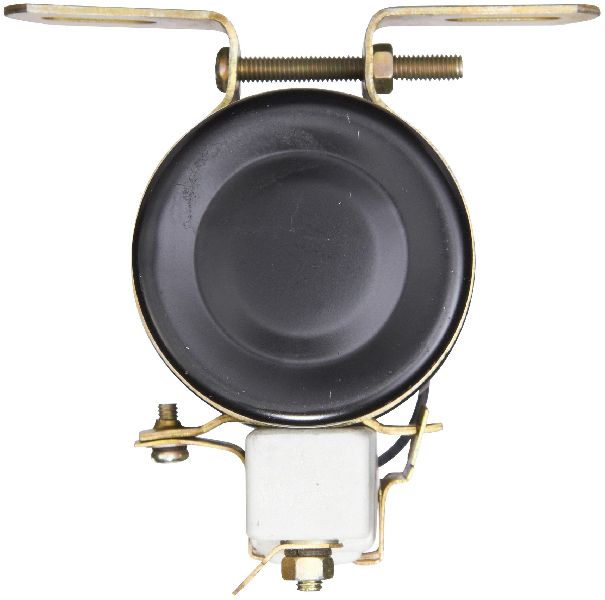
The original 2800CS setup used a Bosch black-bodied coil with an external ballast resistor. This resistor is a small ceramic block connected to the coil's wiring. Its job is to reduce voltage to the coil during normal operation to prevent it from overheating. If you are keeping this original setup, you must use a coil designed for an external resistor (like the Bosch "Red" coil). If the ballast resistor has been removed or bypassed (a common modification), you must use a coil with an internal resistor (like the Bosch "Blue" coil). Using the wrong coil can burn out your ignition points or the coil itself. The total primary resistance for the system should be around 3.0 ohms.
Brand Quality Tiers
When shopping for a new aftermarket coil, quality and reputation matter.
- Tier 1 (OEM Quality): Brands like Bosch, NGK, and Standard Ignition (SMP) are excellent choices. Bosch was the original supplier for your car. NGK and Standard Ignition have a long-standing reputation for producing reliable ignition components that meet or exceed OEM specifications. These brands are highly recommended for trouble-free performance.
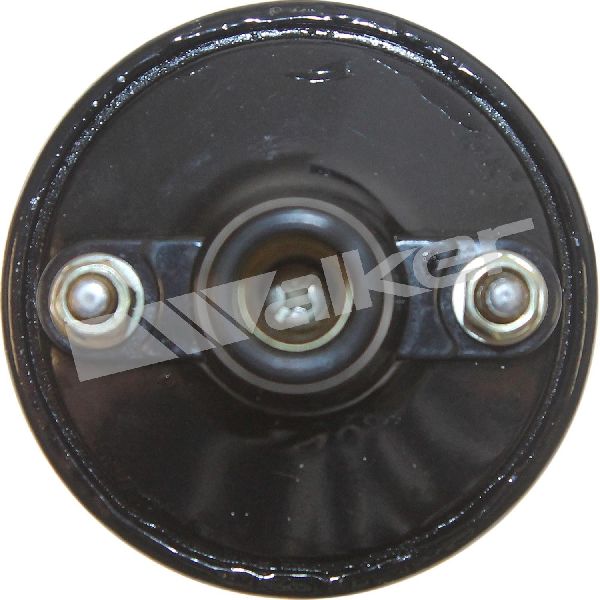
- Tier 2 (Standard Aftermarket): Brands such as Spectra, Walker Products, and Holstein offer a more budget-friendly option. They are functional replacements that will get the job done, but may not have the same long-term durability or precise manufacturing standards as the top-tier brands.
- Tier 3 (Economy): Global Parts and other lesser-known brands fall into the economy category. While the low price is attractive, their reliability and lifespan can be inconsistent. For a classic BMW, it is generally worth spending a little more for a part from a more reputable manufacturer.
| Brand Tier | Price Range |
|---|---|
| Tier 1 (Bosch, NGK, Standard) | $35 - $45 |
| Tier 2 & 3 (Spectra, Walker, etc.) | $23 - $34 |
Frequently Asked Questions (FAQ)
Do I need a special coil if I have a Pertronix electronic ignition?
Many owners upgrade to a Pertronix system to replace the original points and condenser. Pertronix generally recommends using a coil with a total primary resistance of around 3.0 ohms. This means you can often use an internally resisted coil (like the Bosch Blue) without the external ballast resistor. Always check the instructions that came with your specific electronic ignition kit.
Are there any recalls for the ignition coil on my 2800CS?
No. Due to the age of the vehicle, there are no active recalls or Technical Service Bulletins (TSBs) from the manufacturer or NHTSA regarding the ignition coil for the 1968-1971 BMW 2800CS.
How hard is it to replace the ignition coil myself?
This is a very easy job for a DIY mechanic. The coil is easily accessible in the engine bay. It involves disconnecting the battery, a few wires, and one or two bolts holding the coil bracket. The entire process takes less than 30 minutes with basic hand tools.
Should I replace my spark plugs and wires with the coil?
It's a good idea. A failing coil can be caused by old, worn-out spark plugs or wires. Replacing all these components at the same time is good preventative maintenance and ensures your entire ignition system is in top condition.
Technical Specifications
OEM Part Numbers: 12131359637 0221119030 0221122003
Vehicle uses a single, canister-style ignition coil. The original system requires an external ballast resistor. The total primary resistance of the coil and resistor combination should be approximately 3.0 ohms. Some aftermarket coils have an internal resistor and do not require the external one.
We Have This Part in Stock


The information in this article is provided for general reference and educational purposes only. Vehicle specifications, procedures, and part compatibility can vary by production date, trim level, and region. Always consult your vehicle's factory service manual and verify part numbers before purchasing or performing repairs. Safety-critical components such as airbags, seat belts, and braking systems should be installed by a qualified professional.