

Ignition Coil Guide for the 1968-1971 BMW 2500
Keep your classic BMW's M30 engine firing on all cylinders with the right ignition coil.
- A failing ignition coil on your BMW 2500 will cause major drivability issues like misfiring, stalling, or a no-start condition.
- Replacement is a simple, beginner-friendly DIY job that takes under 30 minutes.
- Choose a high-quality aftermarket brand like NGK or Standard Ignition for reliability that meets or exceeds the original part.
- For a complete tune-up, replace the spark plugs, wires, distributor cap, and rotor along with the coil.
Signs of a Failing Ignition Coil
The ignition system on the classic BMW 2500 is straightforward, and a failing coil will give you clear signs. Because your car uses a single coil for all cylinders, a complete failure will prevent the engine from running entirely. Intermittent problems are more common as the coil begins to wear out.
- Hard Starting or No Start: The engine cranks but struggles to fire up, or won't start at all. This happens when the coil can't produce enough voltage for a spark.
- Engine Misfires and Rough Idle: You may feel the engine jerking, sputtering, or shaking, especially when idling or under load. This is caused by an inconsistent spark.
- Stalling: The engine may suddenly cut out while driving or when stopped.
- Poor Acceleration: The car feels sluggish and lacks power because the cylinders aren't firing efficiently.
- Backfiring: Loud pops from the exhaust can occur when unburned fuel ignites in the hot exhaust system due to a lack of spark in the cylinder.
- Worse Fuel Economy: Your engine burns more gas to compensate for the poor combustion, causing you to fill up more often.
Choosing the Right Aftermarket Ignition Coil
For a classic vehicle like the E3 BMW 2500, finding "Genuine BMW" new old stock (NOS) parts can be difficult and expensive. The original equipment manufacturer (OEM) was often Bosch. High-quality aftermarket parts from reputable brands are a reliable and cost-effective choice. Aftermarket coils are widely available and often meet or exceed original specifications. Here’s a breakdown of available brands.
Brand Quality Tiers
Tier 1: OEM or Equivalent Quality
- NGK: A top-tier brand with a strong reputation for reliable ignition components. Many users report excellent performance and longevity.
- Standard Ignition (Standard Motor Products/SMP): A well-respected manufacturer that produces high-quality parts. They are known for identifying and improving upon original OE designs.
Tier 2: Standard Aftermarket
- Holstein: This brand markets its parts as meeting OE standards and offers a good warranty.
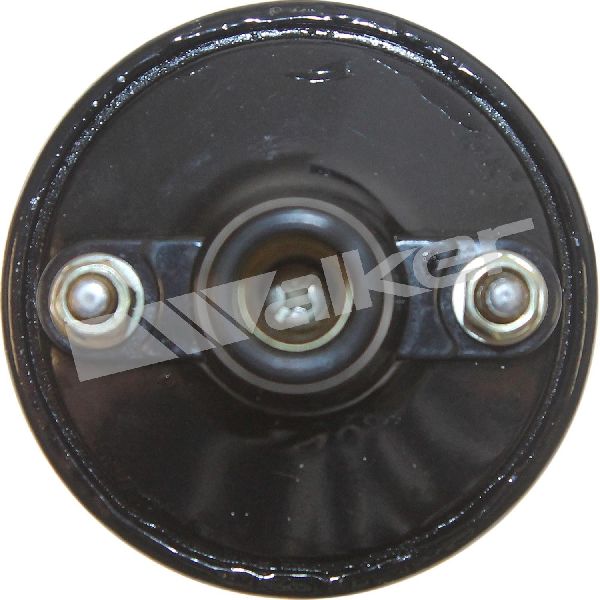
- Walker Products: A long-standing company offering a wide range of parts. While functional, some enthusiasts recommend sticking to top-tier brands for critical ignition components.
- Global Parts: Generally considered a standard replacement-grade part.
Tier 3: Economy
- Spectra: Often priced lower than other brands, but some user reviews report a higher failure rate, making it a budget-focused option.
A Note on OEM vs. Aftermarket
For a vehicle over 50 years old, the distinction between OEM and aftermarket can be blurry. Brands like Bosch or Beru were original suppliers to BMW and still produce high-quality coils that are technically "aftermarket" but perform like the original. For this application, a quality aftermarket coil from a brand like NGK or Standard is an excellent choice and may even offer improvements over the original 1960s technology.
Estimated Replacement Costs
The ignition coil on a BMW 2500 is easy to access, making replacement a quick job for a DIYer or a professional mechanic.
| Part/Service | Estimated Cost |
|---|---|
| New OEM-Equivalent (e.g., Bosch, Beru) | $50 - $85 |
| New Aftermarket | $23 - $43 |
| Shop Labor | $60 - $120 |
| Total Professional Replacement | $83 - $163 |
Frequently Asked Questions
Can I drive my BMW 2500 with a bad ignition coil?
If the coil has failed completely, your car will not start. If it is failing intermittently, the car will run poorly with misfires and stalling. It is not recommended to drive, as it can cause unburned fuel to damage other components and leave you stranded.
How difficult is it to replace the ignition coil myself?
This is a very easy DIY job for a beginner. The coil is typically mounted on the inner fender or near the engine block and is held by one or two bolts. The process involves disconnecting the battery, unplugging the two low-voltage wires, unscrewing the high-tension lead to the distributor, and unbolting the coil bracket. The entire job usually takes less than 30 minutes.
Should I replace other parts at the same time?
Yes. When replacing a 50-year-old ignition coil, it is highly recommended to also replace the spark plugs, spark plug wires, distributor cap, rotor, and condenser. These parts work together and wear out over time. Replacing them all ensures your ignition system is fully refreshed and reliable.
Are there any recalls for the 1968-1971 BMW 2500 ignition coil?
There are no recalls or Technical Service Bulletins (TSBs) on record with the NHTSA or found in extensive searches for the ignition coil on this vehicle. Failures are typically due to the age and normal wear of the component.
Technical Specifications
OEM Part Numbers: 12131357294
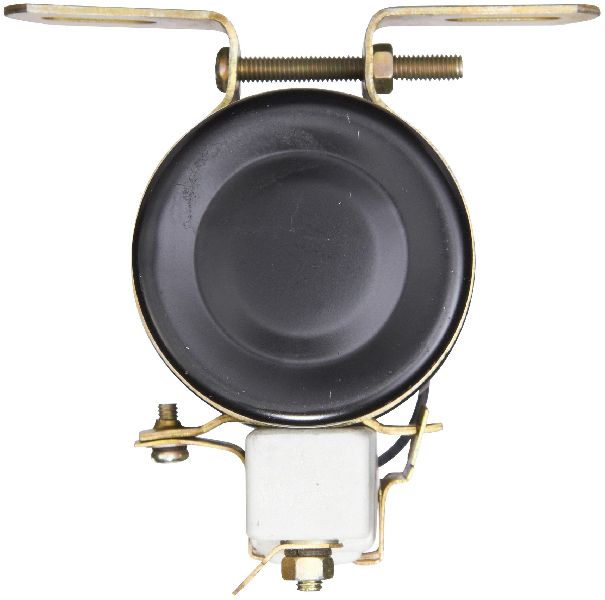
This vehicle uses a single, oil-filled, can-style ignition coil as part of a conventional distributor-based ignition system. It must be compatible with an external ballast resistor if the vehicle is so equipped.
We Have This Part in Stock


The information in this article is provided for general reference and educational purposes only. Vehicle specifications, procedures, and part compatibility can vary by production date, trim level, and region. Always consult your vehicle's factory service manual and verify part numbers before purchasing or performing repairs. Safety-critical components such as airbags, seat belts, and braking systems should be installed by a qualified professional.