

1968-1969 Buick GS 400 Window Crank Handle Replacement
A worn or broken window crank handle can be an annoyance, but it's a simple fix to restore the function and classic interior of your GS 400.
- Replacing a window crank handle is a fast, easy, and affordable DIY job.
- The most common failure is stripped internal splines, causing the handle to spin freely.
- A simple C-clip holds the handle in place; a special tool or a shop rag can be used for removal.
- Aftermarket brands like Motormite offer a cost-effective and functional replacement for this classic car.
Signs of a Failing Window Crank Handle
On a classic like the GS 400, the window crank handle can fail from decades of use. The internal splines that grip the regulator shaft can strip, the handle itself can crack, or the knob can break off. Here’s what to look for:
- Handle Spins Freely: If the handle turns but the window doesn't move, the splines inside the handle have likely stripped.
- Cracked or Broken Handle: The handle or the knob may crack and eventually break from age and repeated stress.
- Handle is Loose or Falls Off: The retaining clip that holds the handle to the door panel can become weak or get lost, causing the handle to feel loose or detach completely.
Choosing an Aftermarket Replacement
For a straightforward part like a window crank handle, an aftermarket replacement is a practical and affordable choice. Original Equipment (OEM) handles for a 1968-1969 GS 400 are no longer produced, making used or reproduction parts the main options.
Brand Comparison
| Brand Tier | Brand(s) | Quality & Value Assessment |
|---|---|---|
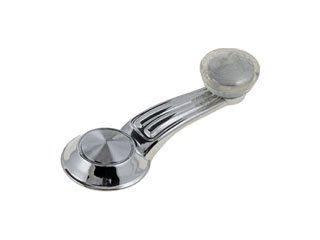
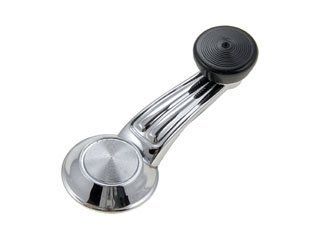
| Standard Replacement | Motormite (Dorman) | Motormite, a brand under Dorman, offers direct-fit replacement handles that are widely available. They are designed to match the original appearance and function. While generally made of durable materials, some users note that the finish may differ slightly from a pristine original part. For the price, they provide excellent value and get the job done effectively. |
Pro Tip: Installation
Replacing the window crank handle is one of the easiest repairs you can do. The handle is held in place by a small C-clip (often called a horseshoe clip) behind the handle base. A special, inexpensive tool is available to easily push this clip off. Alternatively, a rag or two paper clips can be used to hook and remove the clip. When installing the new handle, you can place the clip onto the handle first, align it on the splined shaft, and give it a firm push to snap it into place.
Frequently Asked Questions (FAQ)
Is a special tool required for replacement?
A window crank removal tool is recommended and makes the job very easy. However, many owners successfully use a shop rag or a pair of paper clips with hooked ends to remove the retaining clip without the special tool.
How do I know if the handle is the problem, not the window regulator?
If the handle spins freely without engaging the window mechanism, the splines on the handle are likely stripped. If the handle turns and you feel resistance or hear grinding noises but the window doesn't move correctly, the problem is more likely within the window regulator inside the door panel.
Will an aftermarket handle match my original exactly?
Aftermarket brands like Motormite design their handles to be a close match to the original's appearance. However, due to decades of aging on original parts, there might be slight differences in chrome finish or the shape of the knob. For a perfectly matched set, it's often recommended to replace the handles on both doors at the same time.
Are there any recalls on the 1968-1969 Buick GS 400 for this part?
There are no recalls or technical service bulletins (TSBs) from the National Highway Traffic Safety Administration (NHTSA) related to the manual window crank handles for this vehicle. This is expected for a simple, non-safety-related mechanical part on a classic vehicle.
Technical Specifications
Attachment Style: Clip-on (Horseshoe/C-Clip)
We Have This Part in Stock

The information in this article is provided for general reference and educational purposes only. Vehicle specifications, procedures, and part compatibility can vary by production date, trim level, and region. Always consult your vehicle's factory service manual and verify part numbers before purchasing or performing repairs. Safety-critical components such as airbags, seat belts, and braking systems should be installed by a qualified professional.