

Your Guide to the 1968 International 1200C Voltage Regulator
Keep your classic International's electrical system stable by understanding and replacing a faulty voltage regulator.
- The voltage regulator on a 1968 International 1200C is an external part, unlike modern internal regulators.
- Symptoms of failure include flickering lights, a dead or swollen battery, and poor engine performance.
- New aftermarket electronic regulators from brands like Standard Ignition are reliable and a recommended upgrade over original mechanical types.
- Replacement is a simple, DIY-friendly task that typically takes less than an hour.
Understanding the Voltage Regulator in a Classic Truck
The 1968 International 1200C uses an external voltage regulator, which is typical for vehicles of its era. The original parts were often mechanical, using points that could wear out or get stuck. Most modern aftermarket replacements, like those from Standard Ignition, are solid-state electronic units. These are far more reliable and provide a more stable voltage, which is better for your battery and electronics. Given the age of the 1200C, finding a new original equipment (OEM) part is not realistic. Aftermarket parts are the primary and most reliable solution available today.
Is an Aftermarket Regulator Good Enough for My International?
Yes. For a vintage application like the 1200C, a quality aftermarket brand is a dependable choice. Standard Motor Products (the company behind Standard Ignition) has been a trusted name in auto parts for decades. Their electronic regulators are often encapsulated in epoxy to protect against vibration and corrosion, making them a durable upgrade from the original mechanical design. In the classic vehicle community, Standard Ignition is often recommended as a reliable option over cheaper, no-name brands that can be inconsistent.
Part Cost Comparison
| Part Type | Price Range |
|---|---|
| New Aftermarket (Standard Ignition) | $93.90 |
| New OEM | Not Available |
| Used OEM | Varies, Not Recommended |
| Shop Labor | $100 - $150 |
Common Symptoms of a Failing Voltage Regulator
- Dimming or Flickering Lights: Headlights and dash lights may pulse, or get brighter when you rev the engine and dimmer at idle.
- Battery Problems: The battery may frequently be dead and require jump-starting. In other cases, the regulator can overcharge the battery, causing it to swell, leak, or give off a rotten egg smell.
- Engine Performance Issues: A failing regulator can cause rough idling, stalling, or hesitation because the ignition system isn't receiving consistent power.
- Unusual Gauge Behavior: The gauges on your dashboard might behave erratically or give inconsistent readings.
Recalls and Technical Service Bulletins (TSBs)
A search of the National Highway Traffic Safety Administration (NHTSA) database shows no recalls or TSBs related to the voltage regulator for the 1968 International 1200C. Any widespread issues are typically discussed in owner forums and classic truck communities.
Frequently Asked Questions (FAQ)
Can I replace the voltage regulator myself?
Yes, this is a very DIY-friendly job. The voltage regulator is typically mounted in an accessible location on the firewall or inner fender. It is held on by a few screws and has a simple wiring plug. Basic hand tools are all that's usually required, and the job can be done in under an hour.
How do I test my voltage regulator?
You can perform a basic test with a multimeter. With the engine running, touch the multimeter probes to the positive and negative terminals of your battery. A healthy charging system should read between 13.5 and 14.7 volts. A reading that is too low, too high, or fluctuates wildly suggests a problem with the regulator or alternator.
Is a mechanical or electronic regulator better?
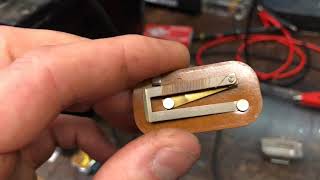
🎬 Learn how to troubleshoot and upgrade to a solid-state regulator.An electronic (solid-state) regulator is a significant upgrade. Original-style mechanical regulators use contact points that wear out and can become unreliable. Modern electronic replacements provide more stable voltage and are much more durable.
Will a bad voltage regulator leave me stranded?
It can. If the regulator fails and the system isn't charging, your battery will eventually drain, and the engine will stop running. If it fails by overcharging, it can damage the battery and other electrical components, also potentially leaving you stranded.
Helpful Videos
Technical Specifications
External, 12-Volt, Electronic Replacement for Mechanical Regulator
We Have This Part in Stock


The information in this article is provided for general reference and educational purposes only. Vehicle specifications, procedures, and part compatibility can vary by production date, trim level, and region. Always consult your vehicle's factory service manual and verify part numbers before purchasing or performing repairs. Safety-critical components such as airbags, seat belts, and braking systems should be installed by a qualified professional.