

A Guide to Spark Plugs for the 1967-1981 Chevrolet Camaro
Choosing the right spark plugs is a simple way to restore performance and reliability in your classic Camaro.
- For most stock 1967-1981 Camaros, standard copper spark plugs from ACDelco or NGK are the recommended choice for performance and value.
- Always verify and set the spark plug gap with a tool before installation; do not trust the out-of-the-box setting.
- Accessing some plugs on V8 engines can be difficult; using a swivel socket and working from below the car can help.
- When replacing plugs, inspect the spark plug wires for heat damage, especially if you have aftermarket headers.
Signs of Failing Spark Plugs

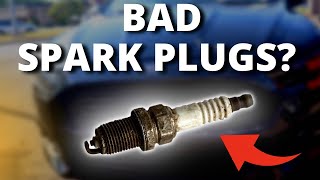
Worn or fouled spark plugs can cause a number of noticeable problems in your Camaro. Because these classic cars provide more direct feedback to the driver, you'll likely feel and hear when something is wrong. Common symptoms include a rough idle, engine hesitation or stumbling during acceleration, and a general feeling that the car is sluggish or down on power. You may also experience difficulty starting the engine, especially when it's cold, or notice a decrease in fuel economy. In some cases, a severely misfiring cylinder can cause the engine to shake or vibrate noticeably.
Misfires Can Cause Damage
Continuously driving with a misfiring cylinder can allow unburned fuel to enter the exhaust system, which can lead to other component damage. It's best to address failing spark plugs promptly to avoid more expensive repairs.
Choosing the Right Aftermarket Spark Plugs

For 1967-1981 Camaros, newer doesn't always mean better. These engines were designed for simple, effective standard copper spark plugs. While modern options exist, they aren't always the best choice.
Material Matters: Copper vs. Platinum & Iridium
For most stock or mildly modified engines from this era, conventional copper core spark plugs are the best choice. They conduct electricity very well, offer excellent performance, and are very affordable. Their main drawback is a shorter lifespan, requiring changes every 15,000-25,000 miles. Platinum and Iridium plugs were designed for modern computer-controlled engines to extend service intervals. While they last much longer, they may not provide any performance benefit in a classic Camaro and can sometimes be less compatible with older ignition systems. For a car that gets regular tune-ups, sticking with copper is a reliable and cost-effective strategy.
Brand Tiers for Your Camaro
- Tier 1: OEM & Premium Equivalents: These brands are widely trusted by Camaro owners and mechanics. You can't go wrong with them for stock or performance use.
- ACDelco: As the original GM parts supplier, ACDelco plugs are the benchmark. They are a safe, reliable choice that will restore original performance. Many owners and specialists recommend sticking with ACDelco.
- NGK: A top-tier Japanese brand with a stellar reputation for quality and performance, even in classic American V8s. Some sources suggest NGK manufactures certain plugs for ACDelco.
- Tier 2: Performance & Specialty Brands: These brands offer specific features for modified cars.
- MSD & Accel: Known for performance ignition systems, these brands offer spark plugs to match. Accel's "Shorty" plugs are a popular solution for cars with aftermarket headers, providing extra clearance to prevent burning plug boots.
- Tier 3: Standard Aftermarket & Budget Options: These brands offer a good balance of price and quality for daily drivers and budget-conscious owners.
- Autolite: A long-standing American brand that is generally considered a solid, affordable alternative to ACDelco, especially their copper plugs.
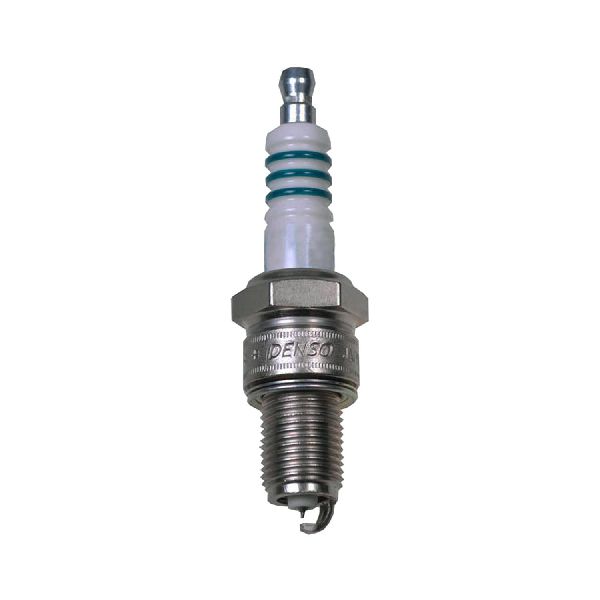
- Denso: A highly-regarded OEM supplier, often placed in the same quality category as NGK.
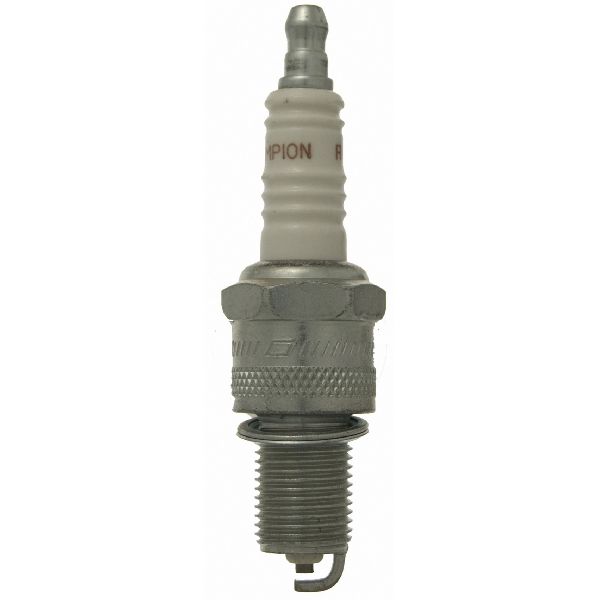
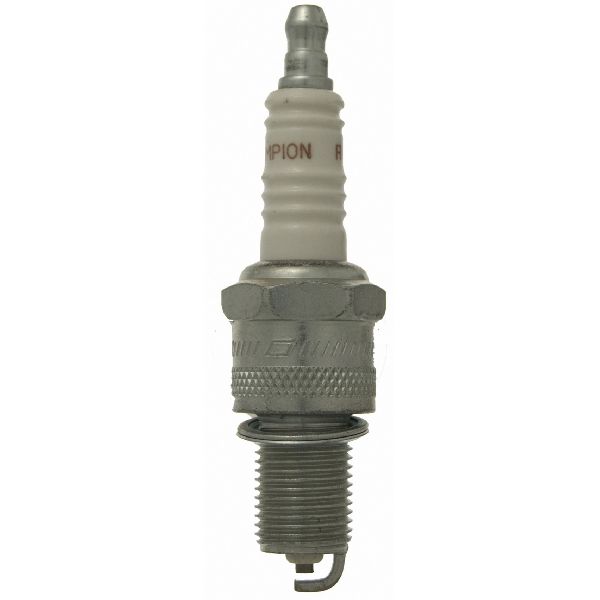
- Champion: A brand with a long history but mixed reviews from classic car owners. Some find them to be a good value, while others have reported quality issues.
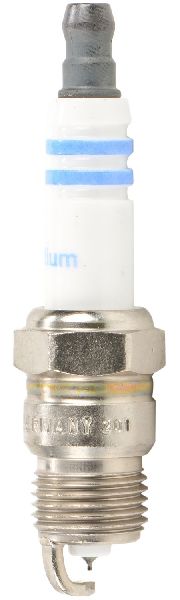
- Bosch: While a major OEM brand, their plugs are often not recommended for classic, low-revving American V8s, with forum users suggesting they are better suited for European cars.
- Skyward: A budget-friendly brand. While functional, expect a shorter service life compared to premium options.
Spark Plug Replacement Cost

Replacing spark plugs is one of the most affordable maintenance jobs you can do. Prices depend on the material and brand. A full set of eight copper plugs can be very inexpensive, while a set of performance-oriented iridium plugs will cost more.
| Item | Estimated Cost |
|---|---|
| Aftermarket Spark Plugs (Set of 6 or 8) | $20 - $100 |
| Shop Labor | $100 - $250 |
| Total Estimated Cost | $120 - $350 |
Always Check the Gap!
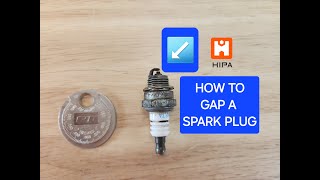
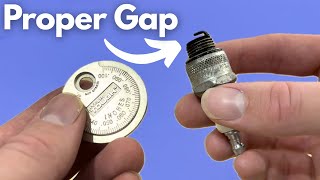
Never assume a new spark plug is gapped correctly out of the box. The correct gap for your Camaro depends on the engine and ignition system (points or HEI). A common gap for points ignition is .035 inches, while HEI systems often require a wider .045-inch gap. Always verify the specification for your exact vehicle and use a gapping tool to set each plug before installation.
Frequently Asked Questions (FAQ)
How often should I change the spark plugs on my 1967-1981 Camaro?
For standard copper plugs, a good interval is every 15,000 to 25,000 miles or every 2-3 years, as part of a regular tune-up. If you use longer-life platinum or iridium plugs, you can extend that interval, but regular inspection is still recommended.
Is replacing the spark plugs a difficult job?
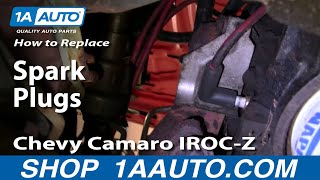
No, it is a feasible DIY job for most owners. The main challenge is access, especially on V8 models where the exhaust manifold or headers can get in the way. Using a spark plug socket with a built-in swivel or a separate universal joint adapter can make the job much easier. It's often easier to access the plugs from underneath the car.
Should I put anti-seize on the new spark plug threads?
This is a topic of debate. Some plug manufacturers, like NGK, advise against it because their plugs have a special plating that prevents seizing. If you do use anti-seize, use it very sparingly and be aware that it can alter the torque reading, increasing the risk of over-tightening.
What else should I inspect when changing my spark plugs?
This is the perfect time to inspect your spark plug wires for any signs of cracking, brittleness, or heat damage, especially from close contact with exhaust headers. Also, check the inside of the distributor cap and the rotor for wear, carbon tracking, or corrosion.
Helpful Videos

Technical Specifications
OEM Part Numbers: R45S R44XLS R43
Spark plug gap and heat range are critical and vary by engine (I6, 302, 305, 327, 350, 396, 427, 454) and ignition type (points or HEI). Common gaps are 0.035" for points and 0.045" for HEI systems. Always consult a service manual for your specific application.
We Have This Part in Stock


The information in this article is provided for general reference and educational purposes only. Vehicle specifications, procedures, and part compatibility can vary by production date, trim level, and region. Always consult your vehicle's factory service manual and verify part numbers before purchasing or performing repairs. Safety-critical components such as airbags, seat belts, and braking systems should be installed by a qualified professional.