

Choosing the Right Spark Plugs for Your 1967-1975 Buick Electra
Keep your classic Electra's big V8 firing on all cylinders with the correct plugs.
- For most 1967-1975 Electras, standard copper-core spark plugs from brands like ACDelco, Autolite, or NGK are the best and most cost-effective choice.
- Always check and set the spark plug gap with a gapping tool before installation; do not rely on the factory pre-gap.
- Symptoms like rough idle, poor acceleration, and difficulty starting are strong indicators that it's time to check and replace your spark plugs.
- No recalls or specific Technical Service Bulletins (TSBs) related to spark plugs were found for this vehicle, which is expected given its age.
Signs of Failing Spark Plugs in Your Electra
The ignition system on your classic Buick is simple but needs to be in good shape. Worn spark plugs are a common cause of engine problems. If you notice any of these symptoms, it might be time for a new set of plugs.
- Rough Idle: The engine may shake or vibrate more than usual when stopped.
- Poor Acceleration: The car may feel sluggish or hesitant when you press the gas pedal.
- Engine Misfires: You might feel a stutter or jerking while driving, which is a sign that one or more cylinders aren't firing correctly.
- Difficulty Starting: A weak spark makes it harder for the engine to turn over, especially when cold.
- Increased Fuel Consumption: When spark plugs are not efficient, your engine burns more fuel to do the same amount of work.
- Fouled Plugs: When you remove the plugs, they may be coated in black, sooty carbon or oily residue. This can be caused by a rich fuel mixture or oil getting into the combustion chamber, common issues in older, high-mileage engines.
Choosing the Right Aftermarket Spark Plugs
For a 1967-1975 Buick Electra, you have many aftermarket spark plug options. The original factory plugs were most likely from ACDelco, and they remain a solid choice. However, other brands offer excellent quality, and sometimes even better performance depending on your engine's condition and how you drive.
It's important to know that these classic V8 engines were not designed for modern, long-life iridium or platinum plugs. While they can be used, they often don't provide a noticeable benefit and may not be the best choice. Standard copper-core spark plugs are usually the most reliable and cost-effective option for these vehicles. They conduct electricity very well and are well-suited to the ignition systems of that era.
Spark Plug Brand Tiers
| Tier | Brands | Description |
|---|---|---|
| Standard / OE-Style | ACDelco, Autolite, NGK (Copper) | These are your go-to choices for a stock or daily-driven Electra. ACDelco is the original equipment provider and a trusted name. Autolite and NGK are highly regarded for their quality and consistency, often considered equal to or even better than OE by many mechanics. These standard copper plugs provide reliable performance and are very affordable. |
| Performance | Accel, MSD, NGK (V-Power) | If your Electra has engine modifications like a different carburetor, intake manifold, or camshaft, a performance plug might be beneficial. Brands like Accel and MSD specialize in high-performance ignition systems. NGK's V-Power plugs feature a v-grooved center electrode that can improve ignitability. These are good options for enthusiasts looking to get the most out of their engine. |
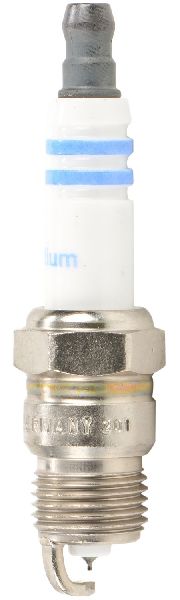
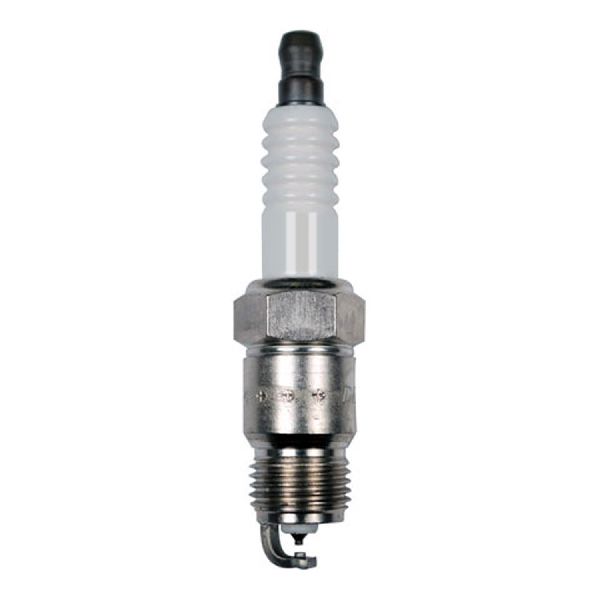
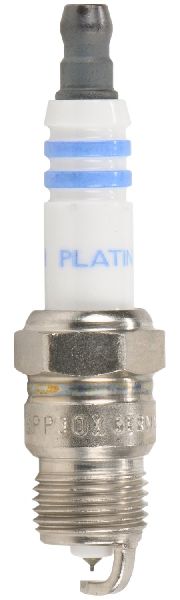
| Premium / Long-Life | Bosch, Denso, NGK (Iridium/Platinum) | These plugs use precious metals like iridium or platinum for their electrodes, which makes them last much longer. While they are high-quality, their main benefit of extended life isn't as critical for classic car owners who perform regular maintenance. For the price, standard copper plugs changed more frequently are often a better value for these specific engines. Some owners have also reported that classic engines don't always run as smoothly with these modern plug types. |
What About the Spark Plug Gap?
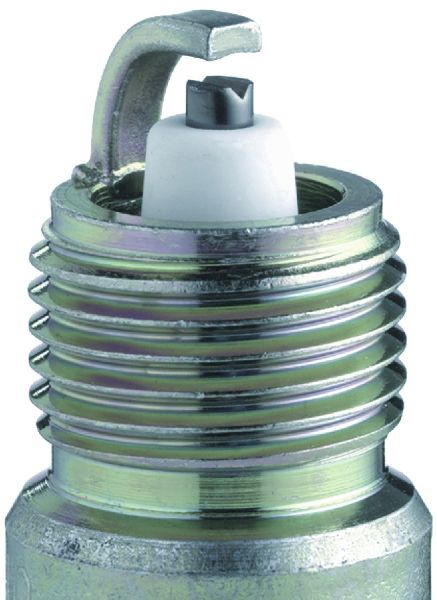
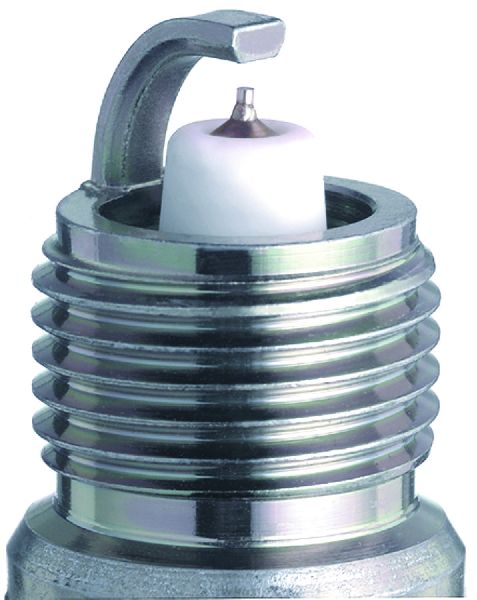
The "gap" is the tiny space between the center and ground electrodes of the spark plug. Setting this gap correctly is critical for your Electra's performance. A gap that is too small can create a weak spark, while a gap that is too large can cause misfires at high speed. For a 1975 Buick V8, a common gap setting is around .060 inches, but this can vary. Always check the specification for your exact year and engine. Even if plugs come "pre-gapped," you should always double-check and adjust them with a gapping tool before installation.
Frequently Asked Questions
How often should I change the spark plugs on my Electra?
For standard copper spark plugs, a good rule of thumb for a classic car is to inspect them every year and replace them every 10,000 to 15,000 miles, or every two years, whichever comes first. Engines from this era can be harder on plugs, and frequent changes are cheap insurance against performance problems.
Are expensive iridium spark plugs worth it for my classic Buick?
Generally, no. While iridium plugs are excellent for modern cars, they don't offer a significant performance or reliability advantage in a 1960s or 1970s-era engine. The ignition systems in these cars are designed for standard copper plugs, which are more affordable and provide excellent performance when changed regularly.
What does a "hotter" or "colder" spark plug mean?
This refers to the plug's ability to transfer heat away from its firing tip. A "hotter" plug dissipates heat more slowly, which can help burn off carbon deposits in an engine that runs rich or burns a little oil. A "colder" plug dissipates heat more quickly and is used in high-performance or heavy-duty applications to prevent overheating of the plug itself. For a stock Electra, the standard heat range recommended by the manufacturer is almost always the best choice.
Do I need to put anything on the spark plug threads?
Some mechanics apply a small amount of anti-seize lubricant to the plug threads to make them easier to remove in the future. However, be very careful if you do this, as it can cause you to over-tighten the plug, potentially damaging the cylinder head. If you use anti-seize, you should reduce the manufacturer's recommended torque value. Many modern plugs have a special plating that prevents seizing, making anti-seize unnecessary. Applying a small amount of dielectric grease to the inside of the spark plug boot can help seal out moisture and make the wire easier to remove later.
Technical Specifications
OEM Part Numbers: R45TS R46SX
Spark plug gap can vary by year and engine. Common settings are between .035" and .080". For example, a 1975 V8-350 engine often uses a .060" gap with an R45TSX plug. Always verify the correct specification for your specific vehicle.
We Have This Part in Stock


The information in this article is provided for general reference and educational purposes only. Vehicle specifications, procedures, and part compatibility can vary by production date, trim level, and region. Always consult your vehicle's factory service manual and verify part numbers before purchasing or performing repairs. Safety-critical components such as airbags, seat belts, and braking systems should be installed by a qualified professional.