

GMC G15/G1500 Van Starter Motor: A Guide for 1967-1974 Models
Solve starting problems on your classic GMC van by choosing the right replacement starter.
- A failing starter gives clear warnings like clicking, grinding, or slow cranking.
- Heat soak is a common issue on these vans; a modern gear-reduction starter from a brand like Powermaster is the best fix.
- Verify if your engine has a 153-tooth or 168-tooth flywheel to ensure you buy a starter with the correct bolt pattern.
- Replacing the starter is a straightforward DIY job for most owners with basic hand tools.
Is Your GMC Van Starter Failing?
A starter motor rarely fails without warning. For a 1967-1974 GMC G15/G1500 Van, the signs are usually clear and shouldn't be ignored. If your van won't start, the first step is to make sure your battery is fully charged and the terminals are clean. If the battery is good, the starter is the next likely culprit.
Common Symptoms of a Bad Starter:
- Single Loud Click: You turn the key and hear one loud click, but the engine doesn't turn over. This often points to a bad starter solenoid, which is part of the starter assembly.
- Rapid Clicking Noise: A series of fast clicks when you try to start the engine usually means the starter isn't getting enough power, which can be a weak battery or a failing starter motor.
- Grinding Noise: A harsh grinding sound during or after starting means the starter gear is not meshing correctly with the engine's flywheel, or it's failing to retract.
- Slow Cranking: If the engine turns over much slower than usual, like it's struggling, the starter motor may be wearing out and drawing too much power.
- No Noise, No Crank: You turn the key and nothing happens, but your headlights and interior lights work. This indicates power is available, but the starter is not responding.
- Smoke from the Engine Bay: Smoke or a burning smell near the starter can be caused by overheating from repeated starting attempts or an electrical short within the starter. Stop trying to start the vehicle immediately if you see smoke.
A Common Problem: Starter Heat Soak
A frequent issue on these classic vans, especially those with V8 engines, is "heat soak." This happens when the starter and its solenoid get very hot from being close to the exhaust manifold. When heated, the electrical resistance inside the starter increases, and it may fail to crank a hot engine. After the van cools down for 15-30 minutes, it might start normally again. Upgrading to a modern gear-reduction starter is a common and effective solution for this problem.
Choosing the Right Aftermarket Starter
For a vintage vehicle like the 1967-1974 G15/G1500 Van, original OEM starters are no longer produced. The market consists of aftermarket replacements, which often provide significant upgrades over the original 1960s technology. The main choice is between a traditional direct-drive starter and a modern gear-reduction starter.
- Direct-Drive Starters: These are similar in design and size to the original factory starter. They are heavy and draw a lot of current.
- Gear-Reduction Starters: Also known as mini-starters, these use internal gears to multiply torque. They are smaller, lighter, draw less electricity, and spin the engine faster, making them a popular upgrade. They are especially effective at overcoming heat soak.
Available Brand Tiers
When shopping for a new starter, you'll find several brands available. They can be grouped into different quality and performance tiers.
Standard Replacement (Good):
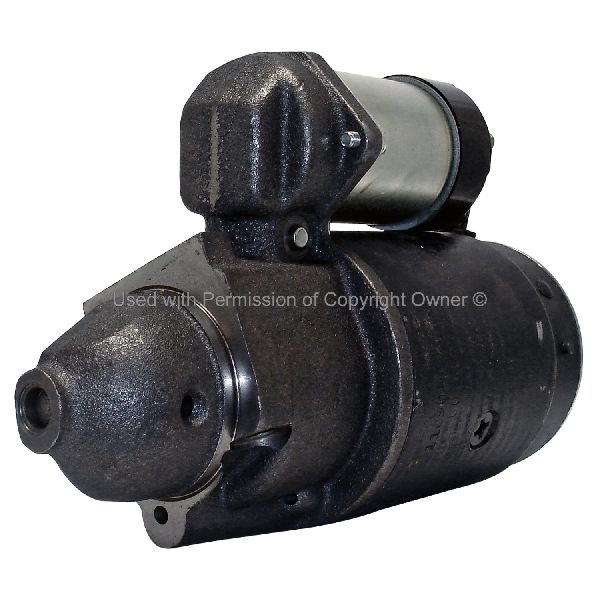
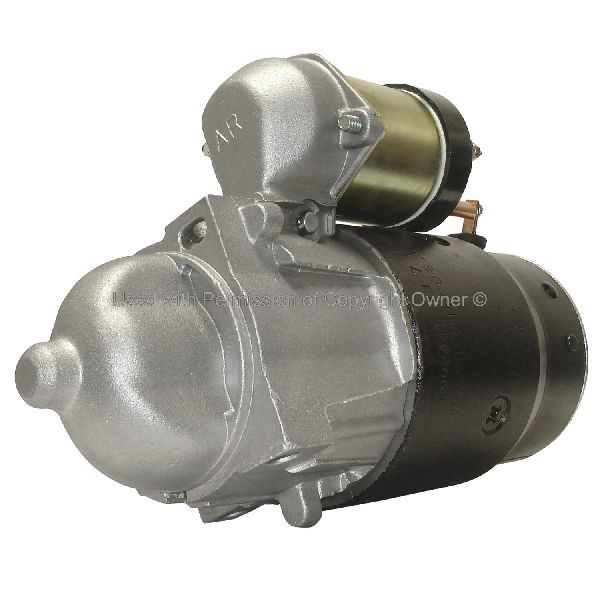
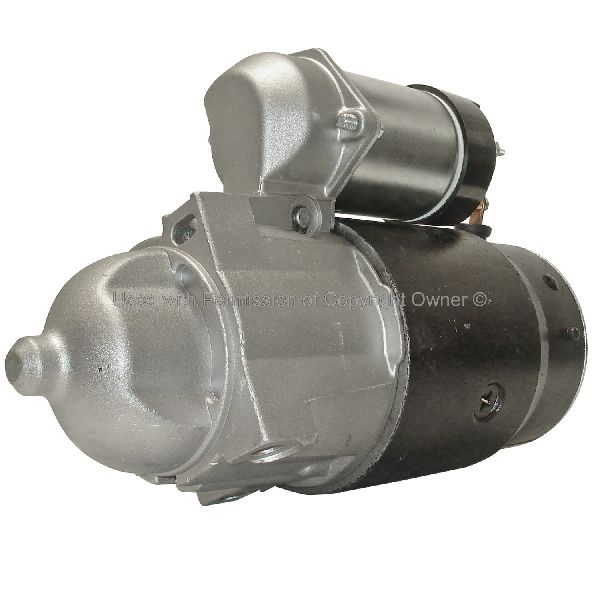
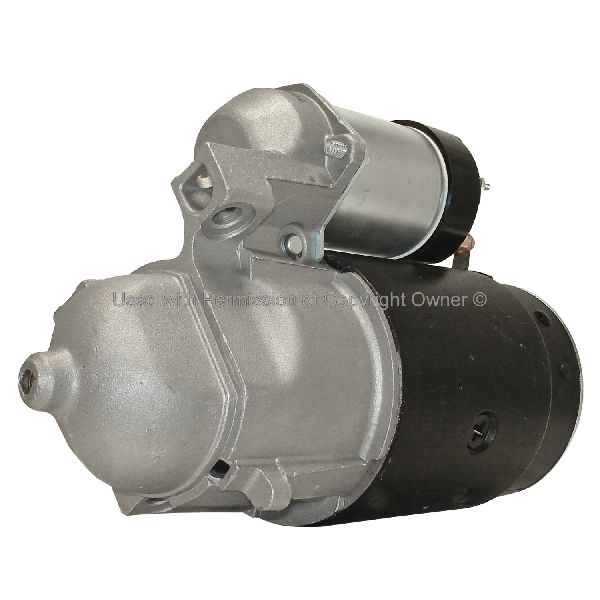
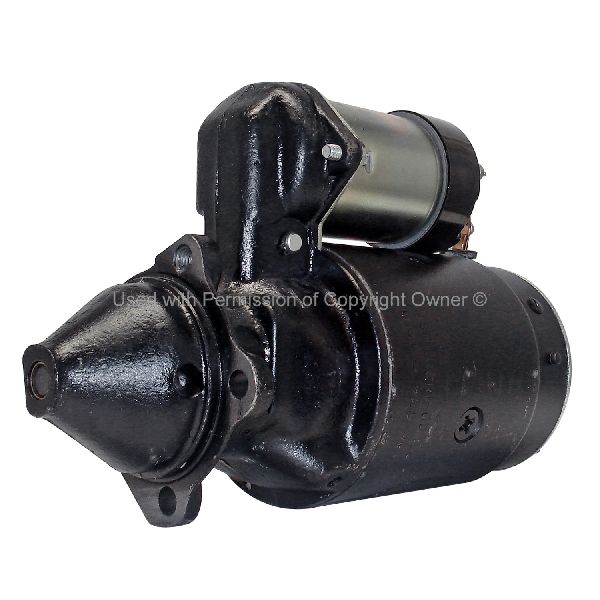
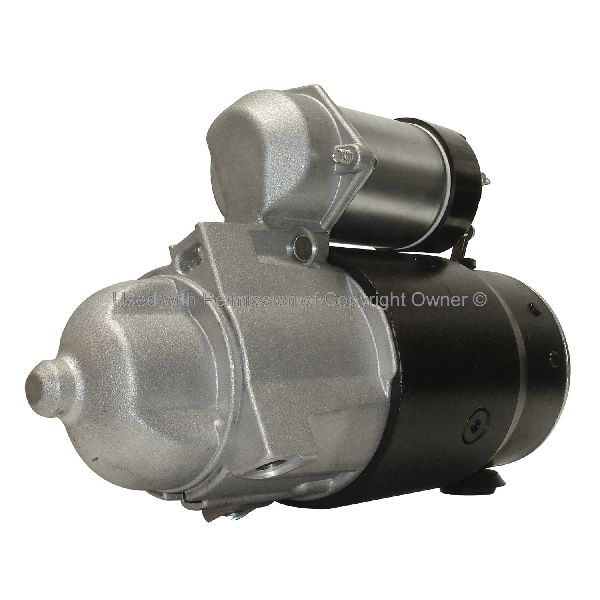
- MPA (Motorcar Parts of America): MPA offers starters designed to meet or exceed original factory specifications. These are a reliable choice for a stock replacement if you are on a budget and your van does not have issues like heat soak.
Value Performance Upgrade (Better):
- Proform: Proform often provides gear-reduction, high-torque starters at a competitive price. While many users find them to be a good value, some reviews mention inconsistent quality and premature failures. This can be a good option if you want the benefits of a high-torque starter without the premium price, but be aware of the mixed feedback.
High-Performance Upgrade (Best):
- Powermaster: Powermaster has a strong reputation for high-quality, durable starters that are often made in the USA. Their gear-reduction mini-starters are powerful, reliable, and an excellent solution for vans with heat soak problems or modified engines. They are considered a top-tier choice for performance and longevity.
| Part Type | Estimated Price Range |
|---|---|
| New Aftermarket Starter | $89.20 - $320.79 |
| Shop Labor for Installation | $100 - $200 |
Pro Tip: Check Your Flywheel Tooth Count
Classic GM engines used two common flywheel sizes: a smaller 153-tooth and a larger 168-tooth. These require different starters with specific mounting bolt patterns (straight across for 153-tooth, staggered for 168-tooth). Before ordering, verify which setup your van has to ensure a correct fit.
Frequently Asked Questions
Is it my battery or my starter?
A simple test is to turn on your headlights. If they are bright and don't dim when you try to start the engine, your battery is likely fine, and the problem is probably the starter. If the lights are dim or go out completely, your battery is weak or dead. A rapid clicking noise also often points to a low battery.
What is a gear-reduction starter and why should I get one?
A gear-reduction starter uses a set of internal gears to multiply the motor's torque, much like using a lower gear on a bicycle to climb a hill. This allows for a smaller, lighter motor that draws less power from the battery but cranks the engine with more force. They are a highly recommended upgrade for classic vehicles to improve starting reliability, especially if you have heat soak issues.
Do I need to shim the new starter?
Maybe. Shims are thin metal spacers used to create the perfect gap between the starter gear and the flywheel. Some replacement starters, particularly high-torque models, may require shimming for proper engagement. An incorrect gap can cause grinding noises or damage to the starter or flywheel. Many starter kits come with shims and instructions for checking the clearance.
Can I replace the starter myself?
Yes, for most owners with basic tools, this is a very manageable DIY job. The process involves disconnecting the battery, raising the front of the van safely, removing two mounting bolts and the electrical wires, and then installing the new starter in the reverse order. It is typically located on the passenger side of the engine.
Technical Specifications
The most critical specification is the mounting bolt pattern, which must match your engine's flywheel. GM V8 engines of this era typically use either a 153-tooth flywheel (requiring a starter with a straight bolt pattern) or a 168-tooth flywheel (requiring a starter with a staggered/offset bolt pattern). Aftermarket options include original-style direct-drive starters and upgraded high-torque, gear-reduction models.
We Have This Part in Stock

The information in this article is provided for general reference and educational purposes only. Vehicle specifications, procedures, and part compatibility can vary by production date, trim level, and region. Always consult your vehicle's factory service manual and verify part numbers before purchasing or performing repairs. Safety-critical components such as airbags, seat belts, and braking systems should be installed by a qualified professional.