

GMC G15/G1500 Van Speedometer Cable Replacement Guide (1967-1974)
Fix your bouncing or dead speedometer needle with the right new cable for your classic GMC van.
- A bouncing needle, no speed reading, or a squealing noise from the dash are the classic signs of a bad speedometer cable.
- Always measure your old cable's housing length before ordering to ensure you get the correct replacement.
- Choose between budget-friendly direct-fit cables (Pioneer, ATP) or premium cut-to-fit options (Lokar) for custom builds.
- Lubricate the new inner cable with graphite or cable-specific lube before installation to ensure a long, quiet service life.
Is Your Van's Speedometer Acting Up?
For a classic vehicle like the 1967-1974 GMC G15/G1500 Van, speedometer problems are very common and almost always trace back to the cable. Because this is a simple mechanical system, diagnosing it is straightforward. Over decades, the lubricant inside the cable housing dries up, the inner cable can stretch or fray, or the housing can get kinked. If your speedometer is acting erratically, the cable is the first and most likely part to check.
Common Symptoms of a Failing Speedometer Cable
- Bouncing or Wavering Needle: The speedometer needle jumps around instead of moving smoothly as you accelerate or decelerate. This is the most common sign of a cable that is binding inside its housing due to lack of lubrication or a kink.
- No Speed Reading: The needle stays at 0 MPH at all times. This usually means the inner cable has snapped or become disconnected from the transmission or the back of the gauge.
- Squealing or Whining Noises: A squealing or clicking sound from behind the dashboard that changes with vehicle speed often points to a dry cable rubbing inside its housing.
Choosing the Right Aftermarket Speedometer Cable
Original GM speedometer cables for this van are no longer produced, so all new replacements come from aftermarket manufacturers. The market offers two main tiers of products that fit the G15/G1500 van, catering to different needs and budgets.
Standard Replacement Cables
Brands like Pioneer and ATP offer direct-fit replacement cables. These are designed to be affordable, functional, and meet the original factory specifications. They are a great choice for a daily driver or a straightforward repair where the goal is simply to get the speedometer working correctly again. They typically come in a pre-determined length, so it's important to measure your old cable to ensure you buy the right one.
Premium & Custom-Fit Cables
Brands like Lokar and B&M fall into this category. These are for the van owner doing a high-quality restoration or a custom build. Lokar cables, for example, often feature a durable braided stainless steel housing for a custom look and are PTFE-lined for smooth operation. These cables are usually sold as "U-Cut-to-Fit" kits, meaning they come with extra length and require you to trim both the outer housing and inner cable for a perfect, custom fit. This requires more work but results in a clean installation with no excess cable to manage.
Aftermarket Speedometer Cable Cost
| Part Tier | Price Range | Notes |
|---|---|---|
| New Aftermarket (Standard) | $16.75 - $45.00 | Direct-fit replacements from brands like Pioneer and ATP. |
| New Aftermarket (Premium) | $75.00 - $151.57 | High-quality, often cut-to-fit cables from brands like Lokar. |
| New OEM | N/A (Discontinued) | Original GM parts are no longer available new. |
Pro Tip: Diagnose Before You Buy
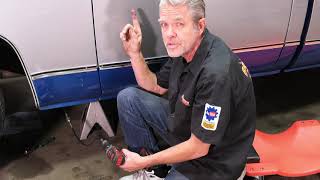
🎬 Watch this diagnostic guide for Chevy and GMC speedometer repairs.Before ordering a new cable, you can perform a simple test. Disconnect the cable from the transmission side. Insert the inner cable core into a drill and have a helper watch the dashboard. Run the drill in reverse. If the speedometer needle moves, the gauge is likely good, and the problem is the cable or the drive gear in the transmission. If the needle doesn't move, the issue may be with the speedometer head itself.
🎬 See how to troubleshoot and repair your vintage truck speedometer.Frequently Asked Questions (FAQ)
Do I need to lubricate a new speedometer cable?
It is always a good idea. While some cables come pre-lubricated, pulling the inner core out and applying a light coat of white lithium grease or powdered graphite ensures smooth, quiet operation and a longer life. Avoid heavy, sticky grease that can gum up in cold weather.
What's the difference between a 'direct-fit' and 'cut-to-fit' cable?
A 'direct-fit' cable is made to a specific length for a particular application. A 'cut-to-fit' cable, like those from Lokar, comes with a long cable and housing that you must trim to the exact length needed for your vehicle. This is ideal for custom applications or when the exact original length is unknown.
Why is my new speedometer cable bouncing or making noise?
The most common cause is improper routing. The cable housing must be routed with smooth, wide curves and no sharp bends or kinks. A sharp bend will cause the inner core to bind and release, resulting in a bouncing needle and potential premature failure. Also ensure it is kept away from hot exhaust manifolds.
How do I know what length cable to buy?
The best way is to remove your old cable and measure the length of the outer housing from tip to tip. Cable lengths can vary based on the van's original transmission and drivetrain configuration.
Helpful Videos
Technical Specifications
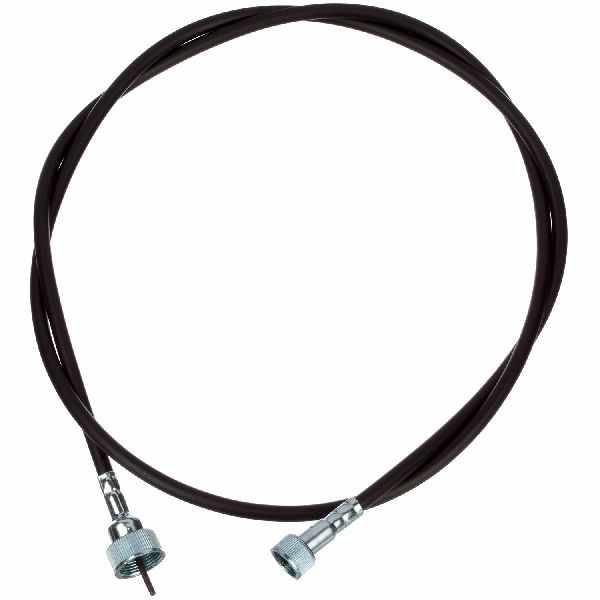
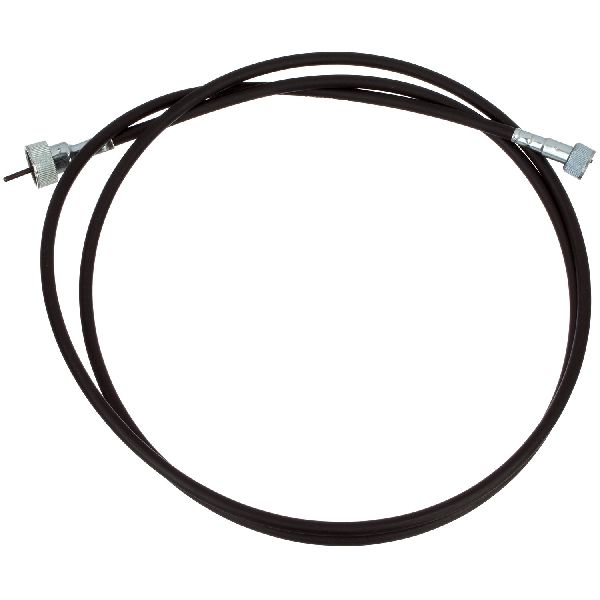
Connection types are typically a 5/8"-18 threaded fitting at the speedometer head and a screw-on collar at the transmission. Cable length varies, so measuring the original cable housing is critical for ordering the correct part.
We Have This Part in Stock


The information in this article is provided for general reference and educational purposes only. Vehicle specifications, procedures, and part compatibility can vary by production date, trim level, and region. Always consult your vehicle's factory service manual and verify part numbers before purchasing or performing repairs. Safety-critical components such as airbags, seat belts, and braking systems should be installed by a qualified professional.