

GMC C15/C1500 Suburban Stabilizer Bar Bushing Guide (1967-1974)
Eliminate clunking noises and tighten up the handling on your classic GMC Suburban by replacing worn sway bar bushings.
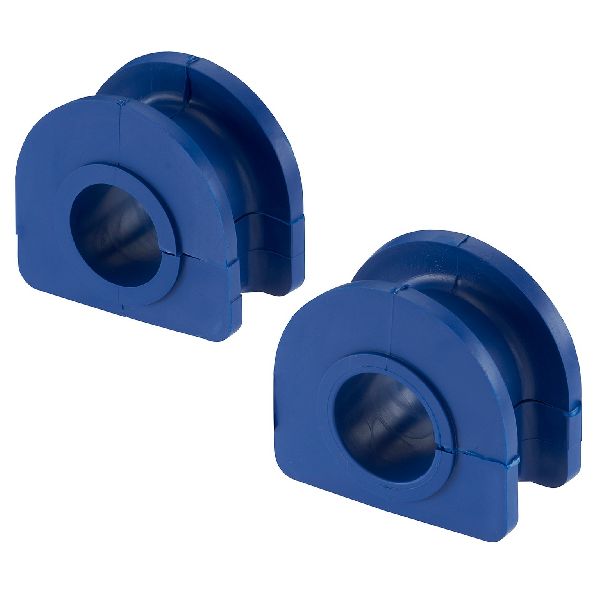
- Choose polyurethane bushings (Energy Suspension, Nolathane) for a significant handling improvement and durability.
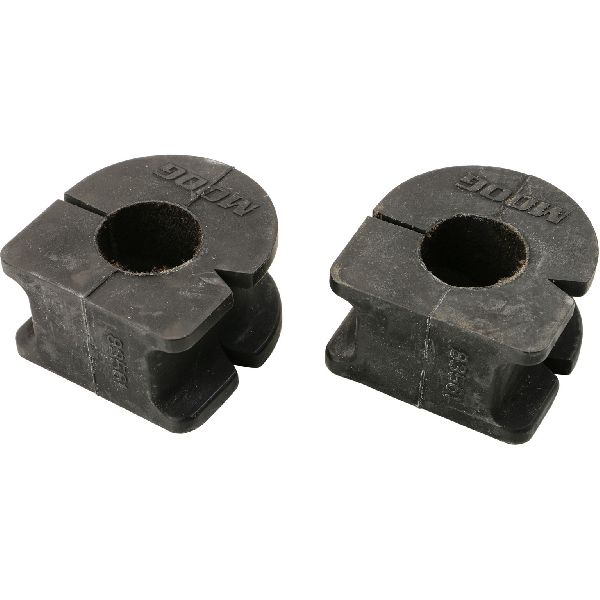
- Choose rubber bushings (Moog, Delphi) for a quiet, comfortable ride that feels like the original factory setup.
- Before ordering, measure your sway bar's diameter to ensure you buy the correct size bushings.
- Bad bushings cause clunking noises, excessive body roll, and loose steering.
Is Your Suburban Making a Clunking Noise?
Worn stabilizer bar bushings are a common issue on classic trucks like the 1967-1974 GMC Suburban. The original rubber bushings dry out, crack, and get compressed over time. This allows the heavy metal sway bar to shift and knock against the frame, especially when you drive over bumps or turn. This not only creates annoying noises but also reduces the sway bar's ability to control body roll, making your Suburban feel less stable in corners.
Choosing the Right Aftermarket Bushing Kit
For a vehicle from this era, new original equipment (OEM) parts are generally not available. Aftermarket parts are your main option, and they offer a choice of materials that can change how your Suburban feels on the road. The most important decision is choosing between traditional rubber and modern polyurethane.
Material Showdown: Rubber vs. Polyurethane
| Material Type | Pros | Cons | Best For |
|---|---|---|---|
| Rubber (OEM Style) Brands: Moog, Mevotech, Delphi, QuickSteer |
|
|
Owners who want the original, smooth ride and don't mind replacing parts every 80,000 miles or so. |
| Polyurethane (Performance) Brands: Energy Suspension, Nolathane |
|
|
Owners looking for a noticeable improvement in cornering, stability, and a firmer, more connected road feel. |
Brand Tiers Explained
- Performance Tier (Polyurethane): Energy Suspension and Nolathane are the go-to brands for polyurethane upgrades. They are known for making high-quality, durable bushings that significantly tighten up handling. Many of their kits include grease fittings (zerks) to make maintenance easier.
- Premium OEM-Style (Rubber): Moog and Delphi are well-regarded for producing high-quality rubber replacement parts that often meet or exceed original factory specs. Moog in particular is a popular choice for those wanting a reliable, quiet, factory-feel ride.
- Standard/Value Tier: Brands like Dorman and QuickSteer offer budget-friendly solutions. They provide a functional replacement to fix worn-out parts and are a good option if cost is the primary concern. Quality can sometimes be inconsistent compared to premium brands.
Pro Tip: Measure Your Sway Bar!
GMC offered different sway bar sizes on these Suburbans, and many trucks may have had aftermarket bars installed over the years. Before ordering, use a caliper or an open-end wrench to measure the diameter of your sway bar to ensure you get the correct size bushings for a snug fit. An incorrect size will not work properly.
Known Issues, Recalls, and Service Bulletins
There are no specific recalls or Technical Service Bulletins (TSBs) from the NHTSA for stabilizer bar bushings on the 1967-1974 GMC C15/C1500 Suburban. This is expected for a vehicle of this age. Any issues you experience will be due to normal wear and tear of parts that are now 50+ years old. The most common problem is simply the deterioration of the original rubber bushings.
Frequently Asked Questions (FAQ)
What's the difference between rubber and polyurethane bushings?
Rubber bushings provide a softer, quieter ride, similar to how the truck felt from the factory. Polyurethane bushings are much firmer and more durable, which improves handling and reduces body roll but can make the ride feel harsher and transmit more road noise.
Do I need to grease my new bushings?
It depends on the material. Rubber bushings generally do not require grease. Polyurethane bushings should be lubricated with the supplied grease during installation to prevent squeaking. Some polyurethane kits come with greaseable fittings to make re-lubrication easier down the road.
Will new bushings fix my truck's body roll?
Yes, new bushings will help significantly, especially if the old ones are worn out. They restore the effectiveness of your existing sway bar. For the biggest improvement in handling and the greatest reduction in body roll, upgrading to polyurethane bushings is the most effective choice.
How do I know if my sway bar bushings are bad?
The most common signs are a clunking or knocking sound from the front end when going over bumps, excessive body lean in turns, and a loose or "wandering" feeling in the steering. You can also visually inspect the bushings for cracks, missing pieces, or a visible gap between the bushing and the sway bar.
Technical Specifications
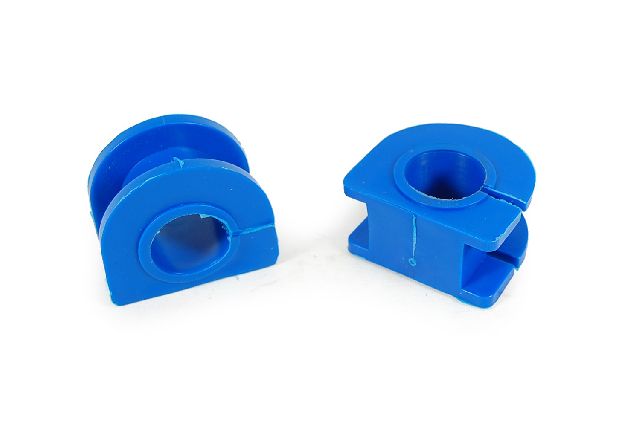
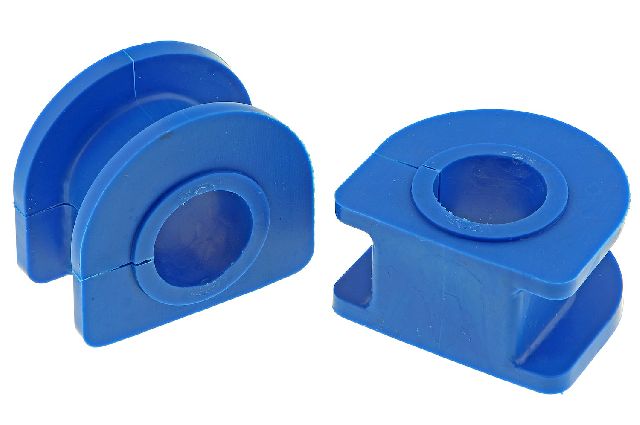
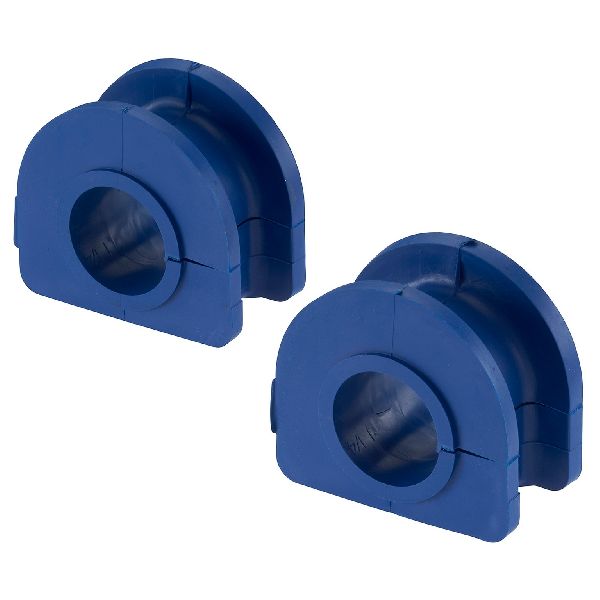
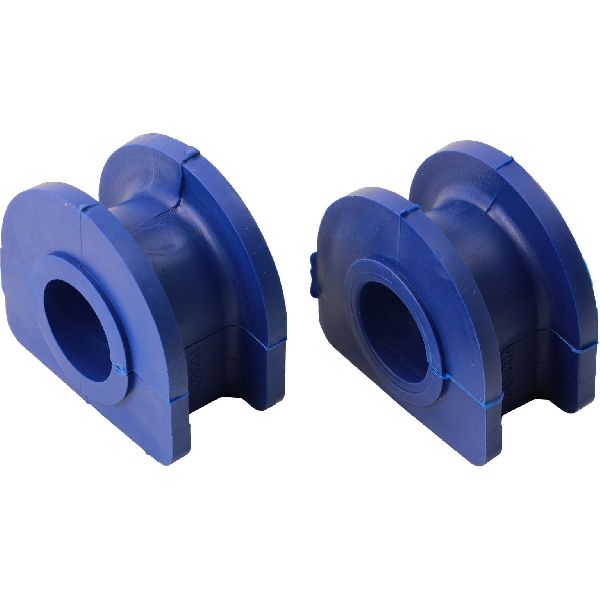
Kits typically include two frame bushings and may include end link bushings. The primary specification is the inner diameter, which must match the vehicle's sway bar diameter. Common materials are EPDM Rubber and Polyurethane.
We Have This Part in Stock

The information in this article is provided for general reference and educational purposes only. Vehicle specifications, procedures, and part compatibility can vary by production date, trim level, and region. Always consult your vehicle's factory service manual and verify part numbers before purchasing or performing repairs. Safety-critical components such as airbags, seat belts, and braking systems should be installed by a qualified professional.