

1967-1974 GMC C15/C1500 Pickup Speedometer Cable Replacement Guide
Fix your bouncing or dead speedometer needle for good with the right new cable.
- A bouncing needle or squealing noise from the dash are classic signs of a failing speedometer cable.
- You must measure your old cable's length before ordering a new one to ensure a correct fit, as lengths vary widely.
- For a standard replacement, lubricate the new inner cable with graphite lube before installation for a longer service life.
- Route the new cable carefully to avoid sharp bends and keep it away from the hot exhaust system.
Is Your Speedometer Acting Up?
A faulty speedometer cable is a very common issue on classic trucks like yours. After decades of use, the internal lubricant dries up, the cable can stretch, or it can snap. If your speedometer isn't working right, the cable is the first place to look. Here are the most common signs of a bad speedometer cable:
- Bouncing Needle: The speedometer needle jumps around instead of moving smoothly. This is the classic sign of a cable that is dry, binding, or has stretched over time.
- Loud Noises: You hear a squealing, whirring, or clicking sound from behind the dashboard that changes pitch with your speed. This is the sound of the dry inner cable grinding against the outer housing.
- No Reading: The speedometer needle and the odometer both stay at zero. This almost always means the inner cable has snapped or disconnected from the transmission or the gauge.
Choosing the Right Aftermarket Cable
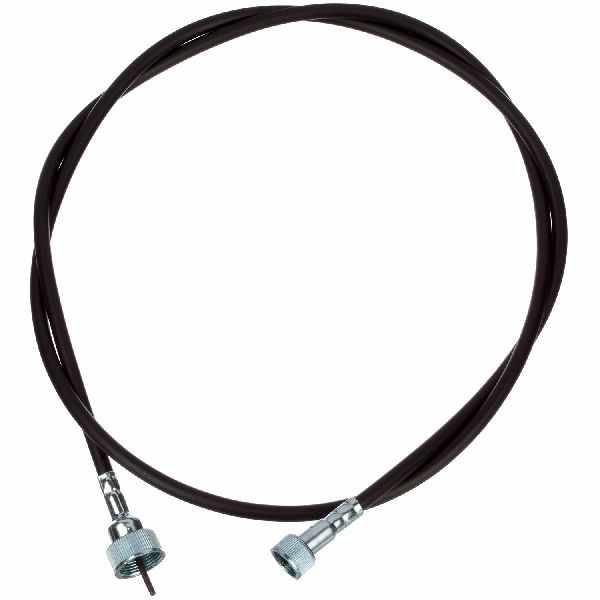
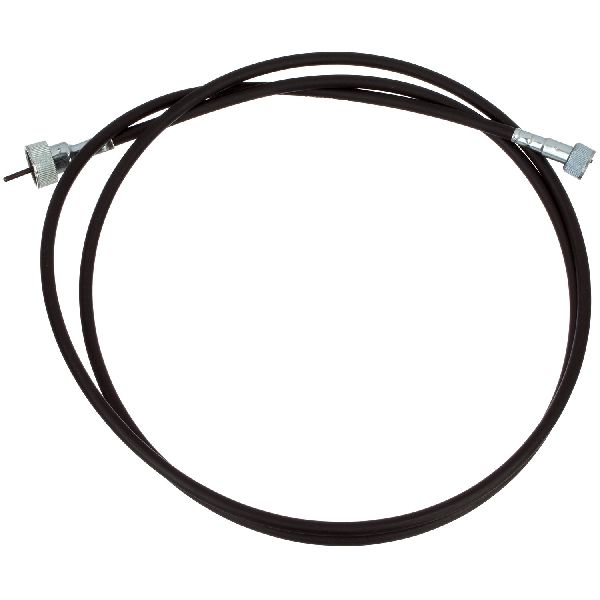
Since new original GM cables are no longer made for these trucks, you will be buying an aftermarket part. The quality ranges from basic replacements to high-end upgrades. The most important thing is to get the correct length and end fittings for your specific truck.
Measure Before You Buy!
Cable lengths for these trucks can range from under 63 inches to over 100 inches. The only way to be sure is to remove your old cable and measure the length of the outer housing from tip to tip. Ordering the wrong length is the most common mistake.
Brand & Quality Tiers
Your choice of brand often comes down to budget and how you use your truck.
- Standard Replacement (ATP, Pioneer Cable): These brands offer affordable, direct-fit cables that work well for daily drivers and restorations on a budget. They are designed to be equivalent to the original part. For best results, you should pull the inner cable out and apply graphite-based cable lubricant before you install it.
- Performance / Premium (B&M, Lokar): Brands like Lokar are known for high-quality, heavy-duty cables. They often feature a braided stainless steel housing and durable billet aluminum fittings. Many Lokar cables are "cut-to-fit," which gives you a perfect custom length but requires an extra installation step. These are a great choice for modified trucks, restomods, or for owners who want a part that will last a very long time.
Check Your Connections
Most 1967-1968 trucks use a "screw-on" connector at the speedometer head. Sometime around 1969, GM began switching to a "clip-on" style. Always check which type you have before ordering to avoid frustration.
Speedometer Cable Replacement Cost
The cost depends on the brand you choose and whether you do the work yourself. This is a job most home mechanics can do in about an hour.
| Item | Estimated Cost |
|---|---|
| New Aftermarket Cable (Standard) | $15 - $45 |
| New Aftermarket Cable (Premium/Braided) | $70 - $152 |
| Shop Labor | $100 - $200 |
Frequently Asked Questions
Why is my new speedometer cable still bouncing?
If you installed a new, lubricated cable and it still bounces, the problem might be something else. Check for sharp kinks in the cable routing. If the routing is smooth, the issue could be worn plastic gears inside the transmission or a problem inside the speedometer gauge itself, which may need professional service.
How do I know if the cable is actually broken?
A simple test is to disconnect the cable from the transmission. Chuck the end of the inner cable into a drill and run it in reverse. Have a helper watch the dashboard. If the speedometer needle moves, the cable is good, and your problem is likely the drive gear in the transmission. If the needle doesn't move, the cable is broken or has come disconnected from the gauge.
My truck has two cables connected together. What should I buy?
Some trucks, especially those with factory cruise control, used a two-piece cable system. These are known to be less reliable. It is highly recommended to replace the entire two-piece setup with a single, one-piece cable of the correct total length.
Do I need to lubricate my new cable?
Yes. Even if the cable is new, it's a pro tip to slide the inner core out of the housing and apply a thin coat of white lithium grease or a specific speedometer cable lubricant (usually graphite-based). This ensures it operates silently and smoothly for years.
Technical Specifications
Cable length varies significantly, from approximately 61 to 120 inches. Connection types can be either screw-on (common on 1967-68) or clip-on (common on 1969-74) at the speedometer head. The transmission connection is a standard threaded fitting. The system is entirely mechanical.
We Have This Part in Stock


The information in this article is provided for general reference and educational purposes only. Vehicle specifications, procedures, and part compatibility can vary by production date, trim level, and region. Always consult your vehicle's factory service manual and verify part numbers before purchasing or performing repairs. Safety-critical components such as airbags, seat belts, and braking systems should be installed by a qualified professional.