

Choosing Aftermarket Disc Brake Pads for a 1967-1969 Buick Special
Upgrade your classic Buick's stopping power by selecting the right modern brake pads for your disc brake setup.
- Verify if your car has the original 4-piston calipers or has been upgraded to more reliable single-piston calipers before ordering.
- Choose ceramic pads for quiet operation and low dust; select semi-metallic pads for stronger initial bite and performance.
- Always inspect your brake rotors when changing pads and plan to replace them for best performance.
- Brands like ACDelco, Wagner, and Centric offer excellent quality for daily driving, while Powerstop is a good option for performance upgrades.
Symptoms of Worn-Out Brake Pads
Your classic Buick will give you clear signs when it's time for new brake pads. Ignoring them can lead to more expensive repairs, like replacing the rotors. Be aware of these common symptoms:
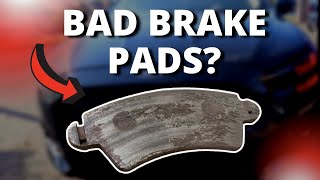
- Squealing or Grinding Noises: A high-pitched squeal when you brake often means the built-in wear indicator is touching the rotor. A harsher grinding sound usually indicates the pads are completely worn out, and the metal backing plate is scraping against the rotor.
- Increased Stopping Distance: If you notice it's taking longer to stop your car, the pad material is likely too thin to create effective friction.
- Vehicle Pulling to One Side: When braking, if your car pulls left or right, it can mean the pads on one side are more worn than the other, or a caliper is sticking.
- Pulsating Brake Pedal: While often a sign of warped rotors, a pulsating or vibrating pedal can sometimes be caused by unevenly worn brake pads.
Choosing the Right Aftermarket Brake Pads
The original brake pads on a 1960s car were made of organic materials, often containing asbestos. Today's aftermarket pads offer superior performance, safety, and durability without the health risks. The main choice is between semi-metallic and ceramic pads.
Brake Pad Material Comparison
| Material | Pros | Cons | Best For |
|---|---|---|---|
| Semi-Metallic | Excellent heat dissipation, strong braking performance ("bite"), durable. | Can be noisier, produce more dark-colored dust, and cause more wear on rotors than ceramic pads. | Drivers who want aggressive stopping power and performance similar to or better than original equipment. This is the most common type of pad used today. |
| Ceramic | Very quiet operation, produce very little light-colored dust, long life, gentle on rotors. | More expensive, may not dissipate heat as well as semi-metallic pads under extreme use. | Owners who prioritize clean wheels and quiet, smooth braking for everyday street driving. |
Pro Tip: Since front disc brakes were an option on the 1967-1969 Buick Special, many cars have been converted from drum brakes. These conversion kits often use the more modern and reliable single-piston caliper design from 1969-1972 GM A-body cars. Always verify which type of caliper your car has before ordering pads.
Aftermarket Brand Quality Tiers
For your Buick Special, several reputable brands offer quality brake pads. They can be grouped into general tiers based on performance and price.
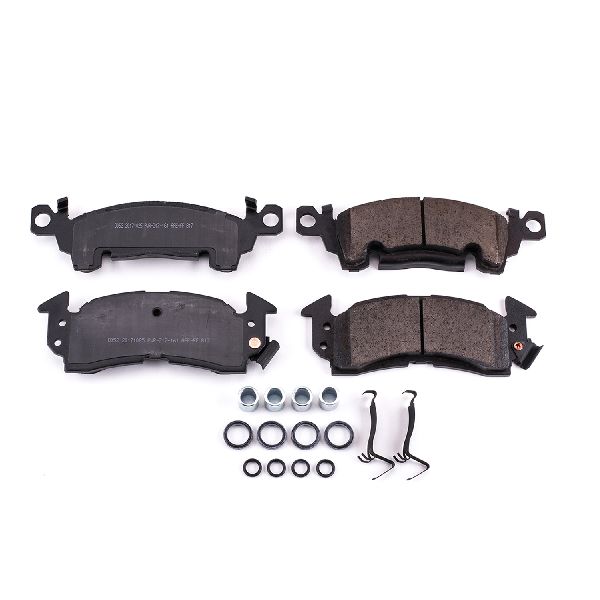
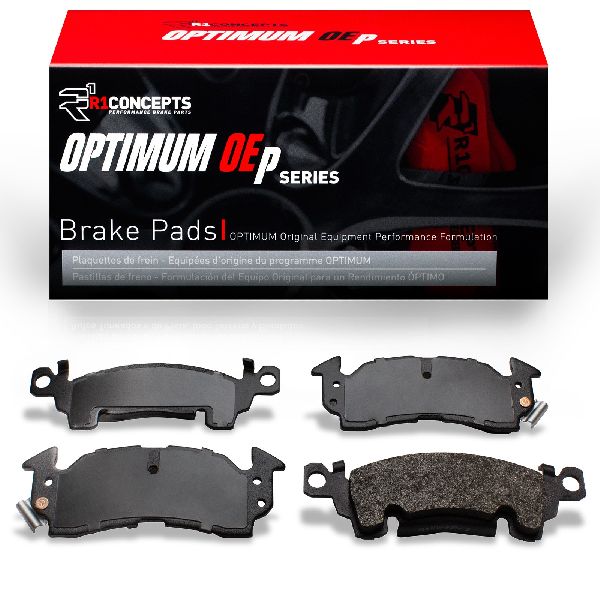
- Performance (High Tier): Brands like Powerstop and Raybestos (Element3 series) are geared towards enthusiasts looking for improved stopping power. Powerstop often sells complete kits with rotors, which can be a good value.
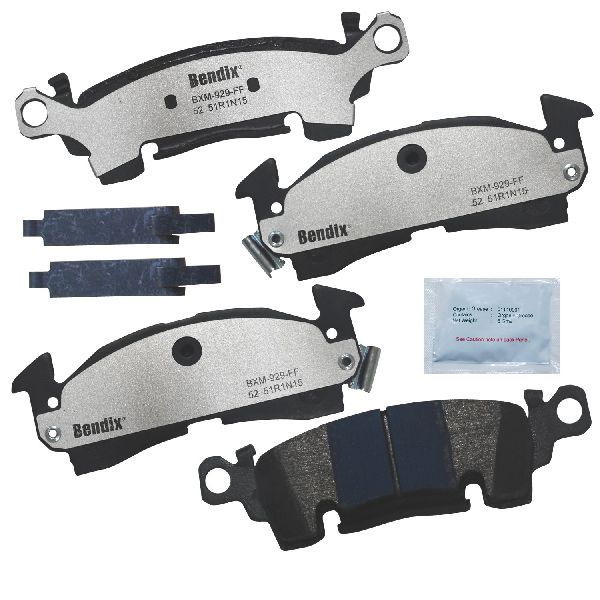
- Daily Driver (Mid Tier): This is the sweet spot for most owners. ACDelco (the GM original equipment brand), Bendix, Centric (PQC line), and Wagner (OEX or ThermoQuiet lines) offer excellent quality, reliability, and performance for normal driving. They provide a balance of quiet operation, low dust, and good stopping power.
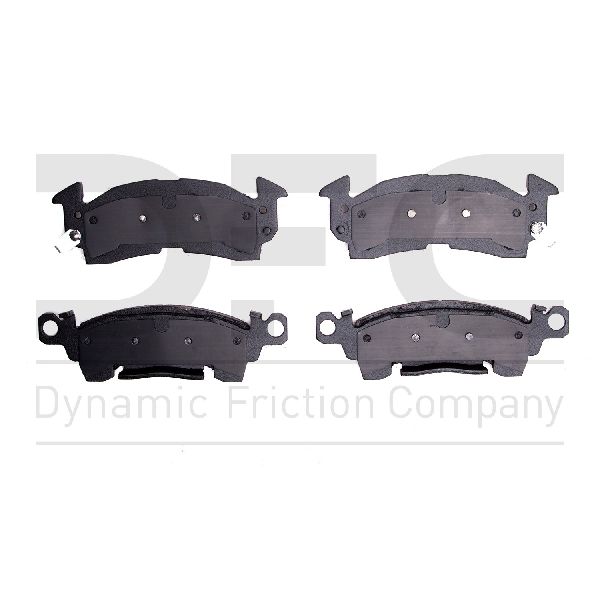
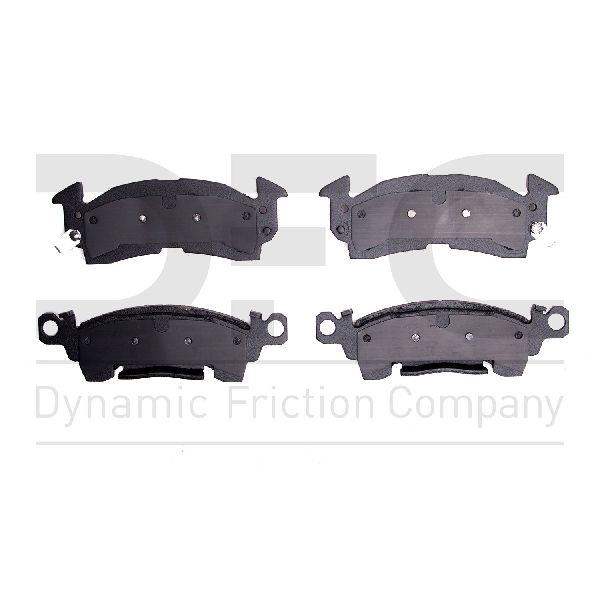
- Economy (Standard Tier): Brands like Dynamic Friction and the standard lines from Raybestos or Wagner offer a reliable and safe replacement at a lower cost. They are a perfectly good choice for cars that are driven gently or infrequently.
A Note on OEM vs. Aftermarket
For a classic car, "OEM" parts are often no longer produced. ACDelco is GM's official parts brand and is the closest you can get to an original part. However, modern aftermarket brands like Centric, Raybestos, and Wagner often meet or exceed the original 1960s specifications, providing better, safer materials than what was available when the car was new.
Frequently Asked Questions (FAQ)
Should I replace my rotors with my brake pads?
It is highly recommended. New pads perform best on a fresh, flat rotor surface. If your current rotors have visible grooves, a noticeable lip on the outer edge, or cause a pulsation when you brake, they must be replaced. Installing new pads on worn rotors can cause noise and reduce braking effectiveness.
What were the original 1967-1969 brake pads made of?
The original pads were a type of Non-Asbestos Organic (NAO) or organic pad, which often included asbestos. These pads wore out faster and couldn't handle heat as well as modern semi-metallic or ceramic pads.
My car has the original 4-piston calipers. Are there any known issues?
Yes, the original 1967-1968 GM 4-piston calipers were known to develop leaks over time. This is because the piston seals would rub against the cast iron caliper bore, which could rust from moisture in the brake fluid. The single-piston floating caliper introduced in 1969 was a more reliable design.
What does the code on the side of the brake pad mean?
You may see a two-letter code like "FF" or "GG". This is an edge code representing the coefficient of friction, first when cold and second when hot. A letter further down the alphabet means more friction (more stopping power). For example, a "GG" rated pad has a higher friction level than an "FF" rated pad.
Helpful Videos
Technical Specifications
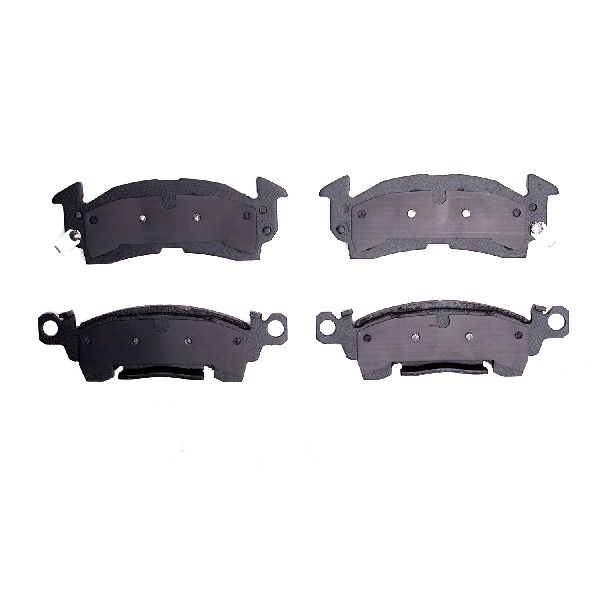
Fits vehicles with factory or aftermarket front disc brake conversions. Pad material is typically ceramic or semi-metallic. Compatibility depends on caliper type (original 4-piston or later-style single-piston).
We Have This Part in Stock

The information in this article is provided for general reference and educational purposes only. Vehicle specifications, procedures, and part compatibility can vary by production date, trim level, and region. Always consult your vehicle's factory service manual and verify part numbers before purchasing or performing repairs. Safety-critical components such as airbags, seat belts, and braking systems should be installed by a qualified professional.